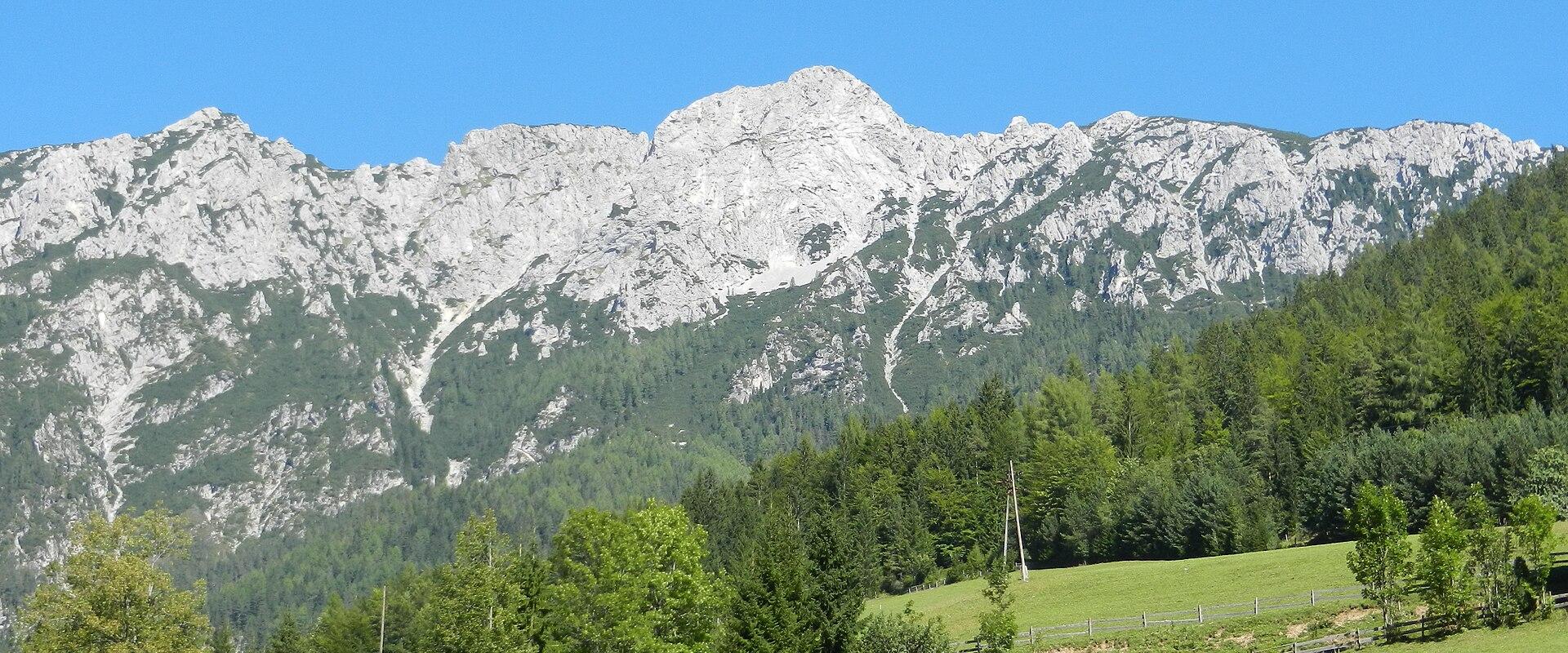
Koroška, or Slovenian Carinthia, is a region of rugged mountains, forests and old mining traditions. It lies along the Austrian border in northern Slovenia, and it has long been a crossroads between Central Europe and the Balkans. Its history is bound up with mining, which flourished from the Middle Ages through the twentieth century, and the legacy of that period appears in the region’s towns, museums and the network of tunnels beneath Mount Peca, now turned into an underground adventure attraction.
The main towns are Slovenj Gradec, a medieval town with a lively arts scene, and Ravne na Koroškem, known for its steel industry and sculptures. Slovenj Gradec is also where the composer Hugo Wolf was born, and his birth house is a point of interest for music lovers. Cultural highlights include the Museum of Modern and Contemporary Art Koroška (KGLU) and the Koroška Regional Museum, both of which give insight into the region’s artistic and historical development. Smaller places such as Dravograd, Mežica, Črna and Prevalje each add their own sights and are covered separately in this guide.
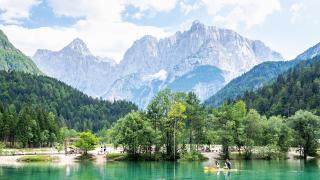
Koroška’s natural beauty is its greatest asset. The region is cut by deep valleys, such as Mežica and Mislinja, and ringed by the forested peaks of the Karawanks and Pohorje. Hikers and cyclists will find many trails, with Single Trail Park Jamnica, near Prevalje, standing out as a major mountain biking destination, together with the Park Jamnica bike park. The Štrekna Cycle Path follows an old railway line, with a descent near Mislinja that is a highlight for cyclists and the Štrekna Railway Tunnel as an atmospheric stop. The Kope ski resort offers winter sports and year-round access to the Pohorje forests, and the Ribniška Koča mountain hut is a welcoming goal for walkers. The Drava River provides opportunities for kayaking, fishing and riverside walks.
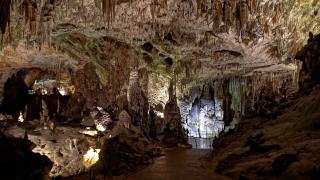
One of the most distinctive attractions is the Podzemlje Pece (Peca Underground), where visitors can explore the former Mežica lead and zinc mine by train, bike or even kayak through flooded tunnels. This adventure combines history, geology and excitement, and it suits families and thrill-seekers alike. Above ground, castles such as Ravne Castle and Dravograd Castle give a glimpse of Koroška’s feudal past. The UNESCO Global Geopark of Karavanke/Karawanken, which crosses the border with Austria, protects an unusually varied geology, and the Jezerski Vrh Memorial to Fallen Mountaineers is a quiet tribute high in the hills.
The food of the region is rooted in hearty mountain cooking, with buckwheat dishes, cured meats and traditional pastries. Perger’s Honey Heaven, a family confectionery with a long tradition, offers sweet products based on honey and gingerbread, and farm stays and mountain huts offer authentic hospitality and homemade food. Festivals and cultural events through the year celebrate Koroška’s folklore, music and crafts, and give the communities a strong sense of identity.
Getting to Koroška is straightforward by car from Ljubljana (about 2 hours) or Maribor (about 1.5 hours), with good road connections to Austria. Public transport includes regional buses and trains to the main towns. Accommodation ranges from hotels and guesthouses, among them Villa Elizabeth in Slovenj Gradec, to mountain lodges and campsites, for all preferences.
Seasonal advice: the best time to visit is May to September, when the weather is warm and suits hiking, cycling and exploring the valleys. Summer brings lush greenery and lively festivals, while autumn offers colourful foliage and quieter trails. Winter is good for skiing and snow sports in the region’s resorts. Whatever the season, Koroška’s mix of adventure, culture and natural beauty makes for a memorable Slovenian trip, and it deserves more than a day.
Best time to visit
May to September offers warm weather for hiking, biking, and outdoor activities; winter is ideal for skiing and snow sports in alpine resorts.
What to see in Koroška
Our picks first.
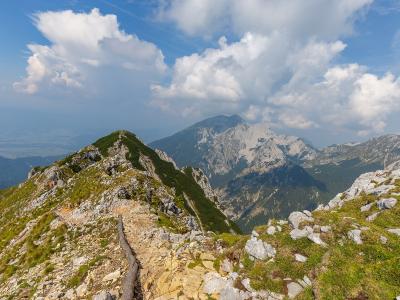
UNESCO Global Geopark of Karavanke/Karawanken
Geological heritage of Alpine tectonic collision
Activities & Adventure · History & Heritage
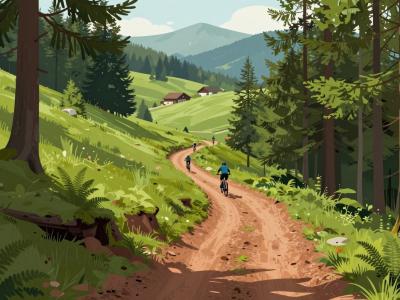
Single Trail Park Jamnica
Over 20 km of single trails in UNESCO Karavanke Geopark
Cycling Routes · Geological Sites
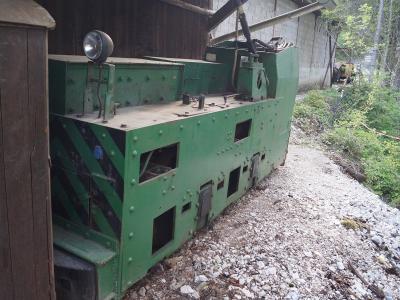
Underground biking at Mt. Peca/Mining Museum
Mountain biking through 5 km of historic mining tunnels
Cycling Routes · Guided Tours
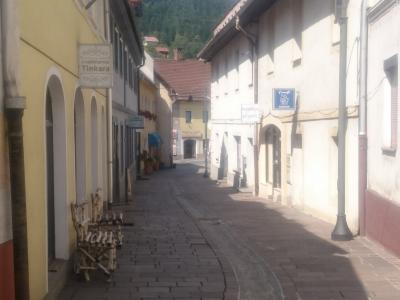
Jezerski Vrh Memorial to Fallen Mountaineers
Memorial honoring WWII partisan mountaineers
Activities & Adventure · History & Heritage
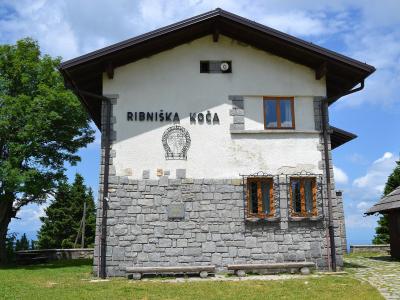
Ribniška Koča
Mountain cottage retreat in Pohorje with family rooms
Hiking Trails · Mountains
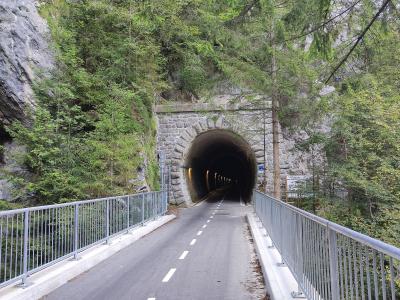
Štrekna Railway Tunnel
Historic railway tunnel on scenic Koroška cycling route
Guided Tours · Hiking Trails
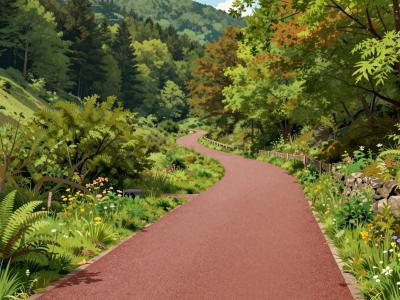
Descent near Mislinja on the Štrekna Cycle Path
Descent along Štrekna’s scenic former railway path
Cycling Routes · Geological Sites
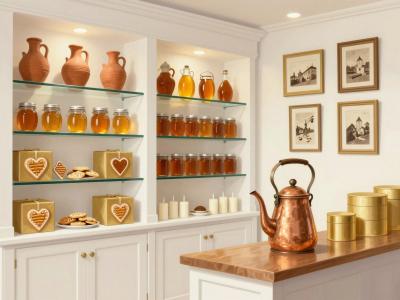
Perger's Honey Heaven
250-year honey confectionery heritage
Cultural Experiences · Food & Gastronomy
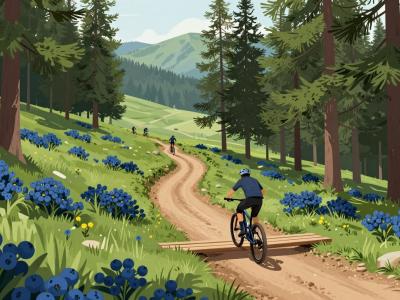
Park Jamnica – Mountain-biking Park Near Prevalje
9 trails, 24 km, and annual route redesigns
Cycling Routes · Hills & Valleys
Koroška by interest
The same sights, grouped by what you came for.
- Activities & Adventure
- UNESCO Global Geopark of Karavanke/Karawanken Jezerski Vrh Memorial to Fallen Mountaineers
- History & Heritage
- UNESCO Global Geopark of Karavanke/Karawanken Jezerski Vrh Memorial to Fallen Mountaineers
- Natural Wonders
- UNESCO Global Geopark of Karavanke/Karawanken Jezerski Vrh Memorial to Fallen Mountaineers
- Cycling Routes
- Single Trail Park Jamnica Underground biking at Mt. Peca/Mining Museum Descent near Mislinja on the Štrekna Cycle Path Park Jamnica – Mountain-biking Park Near Prevalje
Did you know?
Checked facts about Koroška, each with its source.
-
History
Koroška Has Another Verifiable Detail
Koroška’s unique blend of natural beauty, cultural attractions, and adventure tourism makes it a favorite destination for hikers, mountain bikers, and history enthusiasts.
Source: Deep below ground and close to the sky - mountain biking in Koroška -
Discovery
Koroška Has a Distinct Local Story
Koroška, or Slovenian Carinthia, is a mountainous region in northern Slovenia, celebrated for its pristine forests, deep valleys, and rich mining heritage.
Source: Carinthia (Slovenia)
Planning a visit to Koroška
Itineraries that include Koroška
Good to know
- Currency
- EUR
- Language
- Slovene
Quick Facts
Book your stay

Questions people ask
More places in Koroška
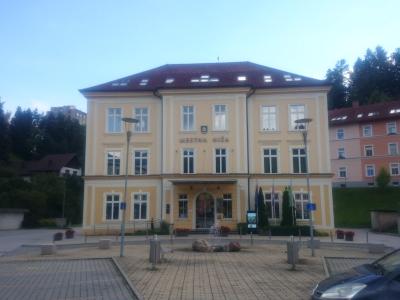
Koroška
Ravne na Koroškem
Steel heritage town with outdoor art and mountain trails
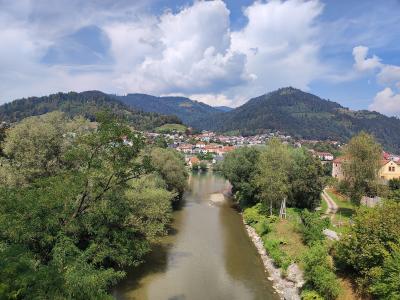
Koroška
Dravograd
River town with castle, manor, and scenic cycling routes
Koroška
Raduha
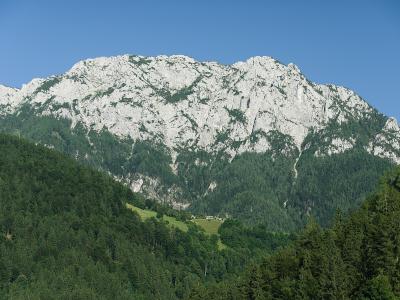
Alpine peak with Snow Cave, hiking, and panoramic views
Koroška
Podzemlje Pece
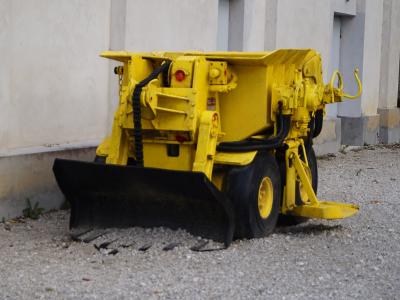
Underground mine tours, biking, and kayaking beneath Peca