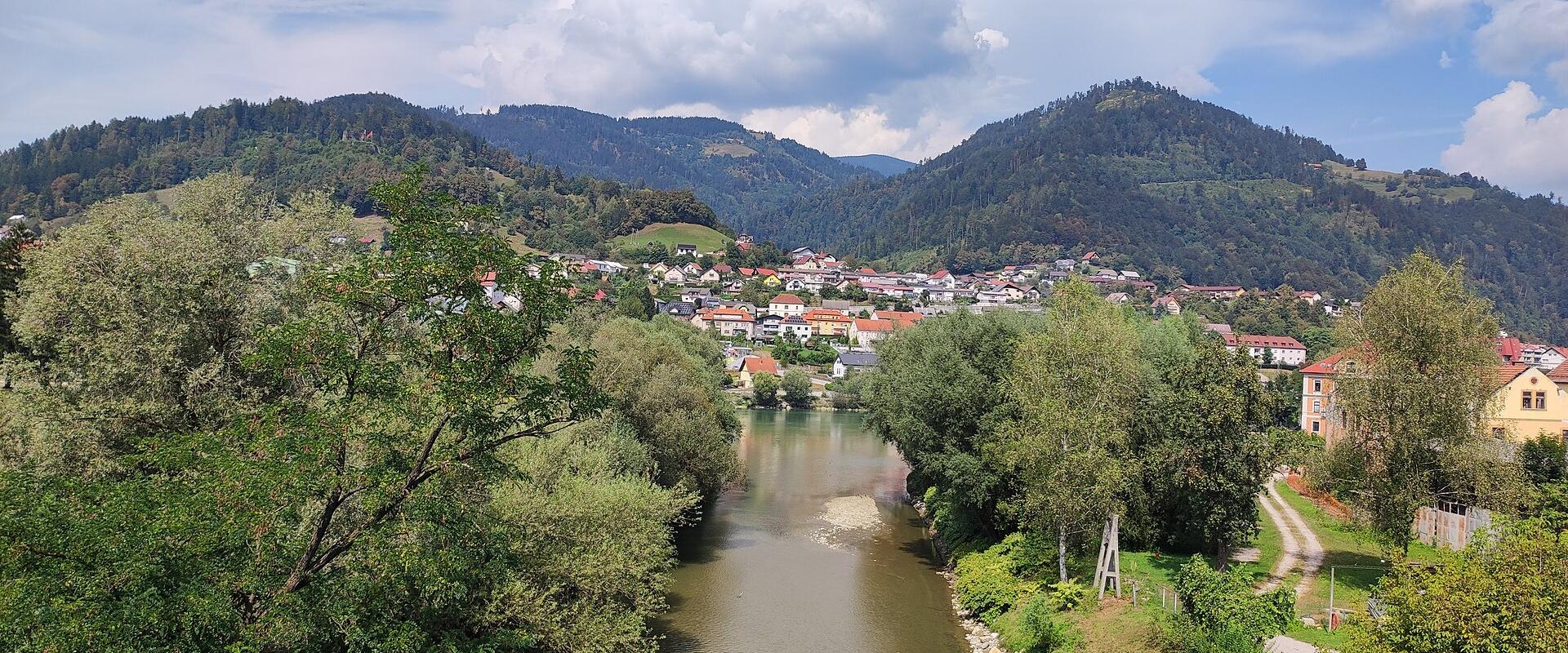
Dravograd sits where three rivers meet: the Drava, the Meža and the Mislinja. This position at the crossroads between Carinthia and Styria shaped its history. In the Middle Ages a castle was built on a hill above the Drava to guard the trade routes and the border, and the town grew as a market and transport hub. Although Dravograd Castle is now a ruin, it remains a symbol of the town and a viewpoint over the valley. Dravograd’s modern identity is still tied to rivers, bridges and borders, and visitors quickly notice how many of the sights concern crossing something.
The town’s transport heritage is visible at every turn. The Ruined Railway Bridge Over the Drava River recalls the days when the railway made Dravograd an important junction, and it has become a quiet spot for photographs. Nearby, the Bicycle Bridge carries cyclists and pedestrians across the river and is part of the Drava Cycle Route, one of the most scenic long-distance cycling trails in Slovenia, linking Austria with eastern Slovenia. The Drava Bike Rest Area gives cyclists a place to pause. The Austria–Slovenia border crossing, a short distance to the north, is a practical gateway to Carinthia and a reminder of how close the two countries are.
For culture, Bukovje Manor, or Dvorec Bukovje, is a Baroque mansion in a calm riverside park, hosting exhibitions and concerts. The Carinthian Regional Museum offers an introduction to a thousand years of Carinthian history and culture, with local artefacts and displays on the area’s ties to Austria. In the nearby village of Libeliče, a historic church and ossuary add to the heritage trail. The town also holds regular festivals celebrating local music, food and tradition.
Nature is just outside the town. The reservoir created by the Drava dam, known as Lake Dravograd, supports birdlife and fishing, and its shores are good for easy walks. The Košenjak Forests rise above the town and form part of the Karavanke Geopark, a UNESCO-recognised area known for its geology, with marked trails for walking and mountain biking. Pohorje to the east and the Karavanke to the north offer longer hikes, and in winter the Kope ski area provides skiing and snowboarding.
Cycling is the simplest way to experience the area. With the Drava route running through town, you can ride a gentle stage downstream toward Vuzenica and Muta or upstream toward Austria, using the riverside paths and quiet roads. Bike-friendly guesthouses and rest areas make this an easy overnight stop on a longer tour.
Local food reflects Carinthian and Styrian cooking, with hearty soups, buckwheat dishes, smoked meats, dumplings and strudels, and local inns serve them in generous portions.
Getting to Dravograd is easy by car or train, with good links from Maribor, Slovenj Gradec and Austria. The town is compact and walkable, with parking near the main sights.
The best time to visit is late May to late September, when the weather suits cycling, hiking and open-air festivals. Spring and autumn are mild and colourful, with autumn forests especially good on the Košenjak trails. Koroška’s hills are at their greenest in early summer.
Koroška as a whole is one of Slovenia’s least crowded regions, and Dravograd is a convenient first stop on the way to Slovenj Gradec, Ravne na Koroškem and the Mežica valley.
Best time to visit
Late May to late September offers warm weather for hiking, cycling, and festivals; spring and autumn are mild and scenic, summer is lively and ideal for outdoor activities.
What to see in Dravograd
Our picks first.
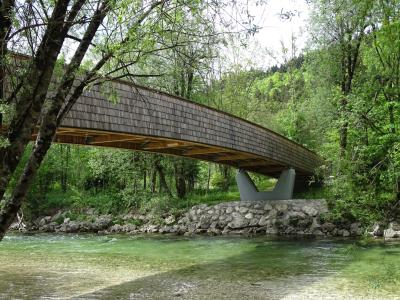
Bicycle Bridge
Narrow bike bridge with Drava River views
Cycling Routes · Hills & Valleys
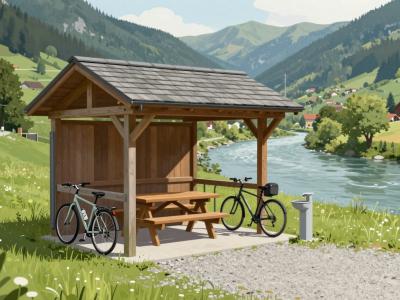
Drava Bike Rest Area
Rest stop on scenic Drava cycling route
Cycling Routes · Hills & Valleys
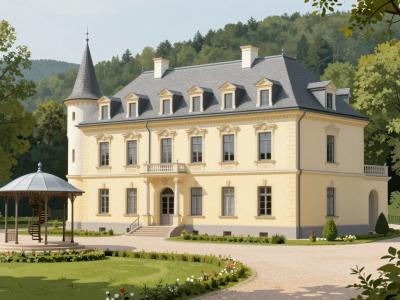
Carinthian Regional Museum
Museum showcasing a millennium of Carinthian history
History & Heritage · Museums
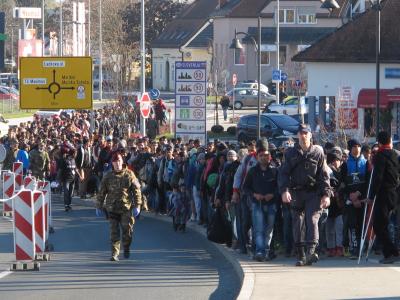
Austria–Slovenia Border Crossing
Border crossing linking Drava River towns Austria-Slovenia
Historic Towns · Lakes & Rivers
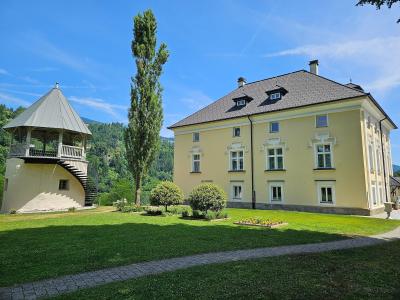
Dvorec Bukovje
Baroque manor with cultural programs and library
Guided Tours · Historic Houses
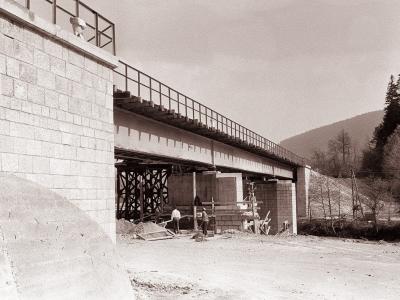
Ruined Railway Bridge Over the Drava River
Ruined railway bridge spanning the Drava River
History & Heritage · Natural Wonders
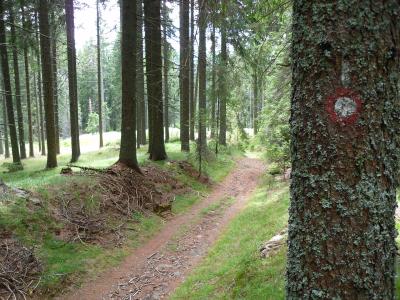
Košenjak Forests
UNESCO Karavanke Geopark forest with hiking trails
Natural Wonders · Cycling Routes
Dravograd by interest
The same sights, grouped by what you came for.
Did you know?
Checked facts about Dravograd, each with its source.
-
History
Dravograd Keeps a Castle Story
Known for its medieval castle ruins, riverside parks, and blend of cultural and natural attractions, Dravograd serves as a gateway to the scenic Drava Valley and the Pohorje and Karavanke mountains.
Source: Karawanks - Wikipedia
Planning a visit to Dravograd
Itineraries that include Dravograd
Good to know
- Currency
- EUR
- Language
- Slovene

Questions people ask
More places in Koroška
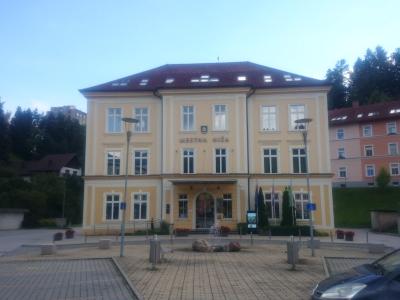
Koroška
Ravne na Koroškem
Steel heritage town with outdoor art and mountain trails
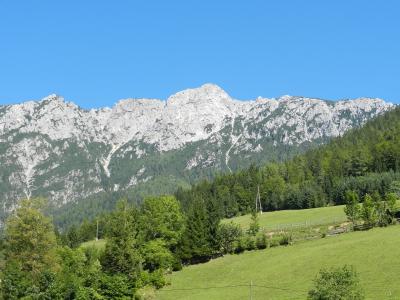
Koroška
Koroška
Mountain valleys, forests, and mining heritage in northern Slovenia
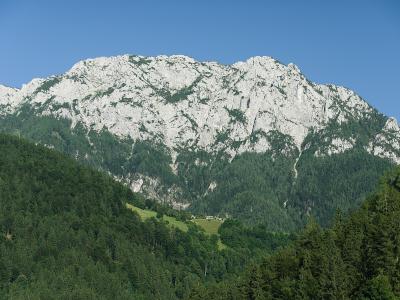
Koroška
Raduha
Alpine peak with Snow Cave, hiking, and panoramic views
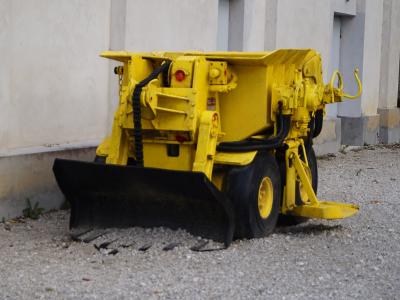
Koroška
Podzemlje Pece
Underground mine tours, biking, and kayaking beneath Peca