
The Slovenian Hospitality Landscape
Slovenian guesthouses reflect gostoljubnost, a deep cultural commitment to hospitality. This ethos shapes service styles across the sector. Establishments range from rural farm stays (kmetije) to urban boutique B&Bs. Most operations remain small-scale and family-run. These businesses hold significant cultural value within local communities. They preserve traditional architecture and regional customs. Travelers often find authentic local experiences here. Budgeting is essential for planning. Recent data indicates mid-range guesthouse costs average $83.84 per night. Total accommodation expenses for a trip may reach $895.20. Prices fluctuate due to dynamic market forces. Guidebook figures often underestimate actual costs. Independent research on booking platforms is necessary. This approach ensures accurate financial planning. The sector offers distinct alternatives to large hotels. Each property maintains unique regional characteristics. Visitors engage directly with local hosts. This interaction defines the Slovenian stay experience.
Regional Accommodation Typologies
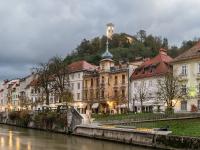
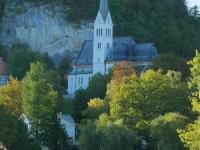
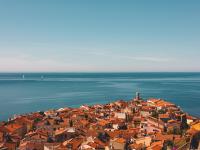
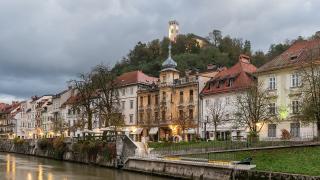
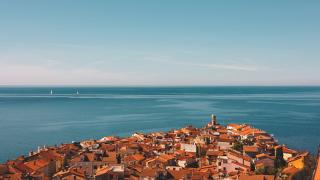
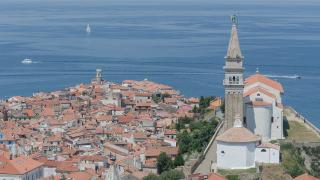
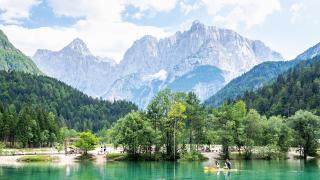
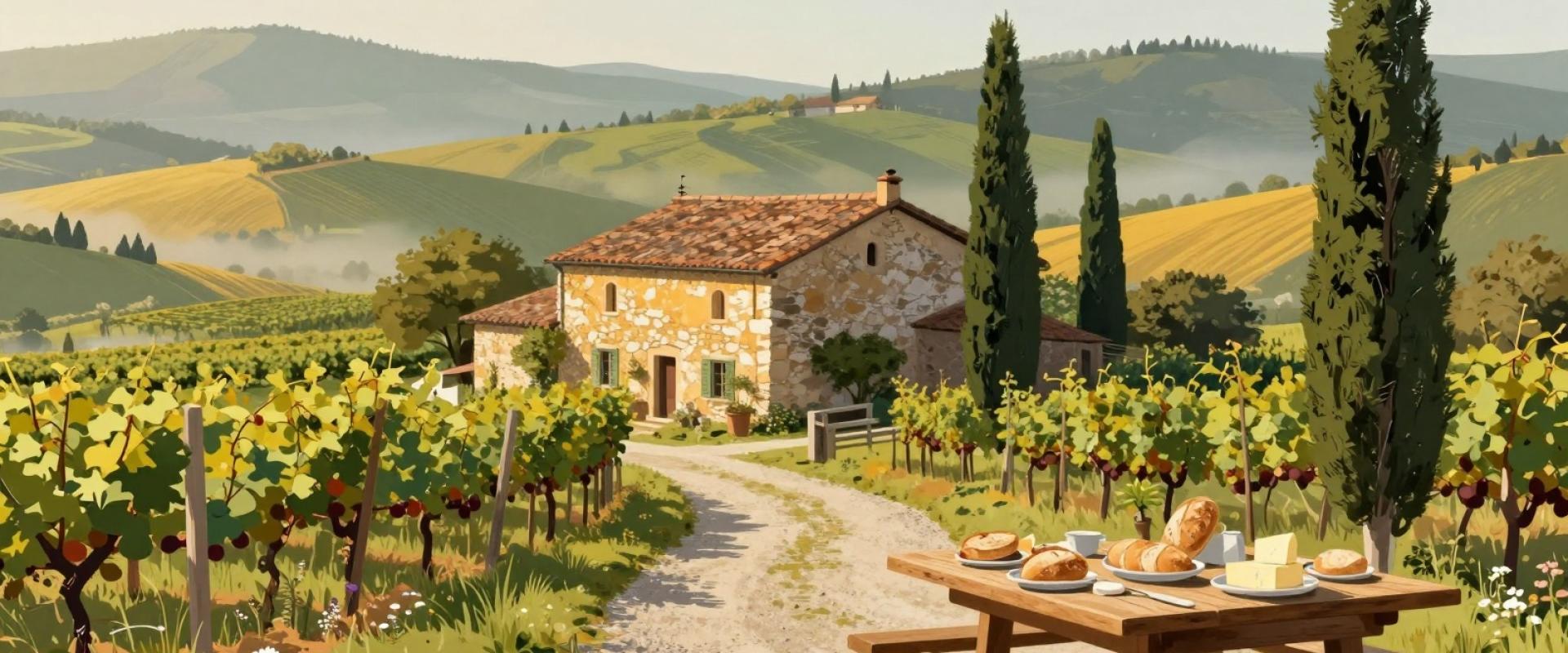
Rural kmetije dominate Alpine and Karst regions. These farm stays offer authentic local experiences. Guests often receive home-cooked meals featuring regional produce. Coastal boutique B&Bs appear in Piran and Portorož. These properties emphasize modern design near the Adriatic Sea. Urban B&Bs in Ljubljana and Maribor target city explorers. They provide convenient access to historical centers and transit hubs. Geography directly influences amenities and guest expectations. Alpine stays focus on warmth and hearty food. Coastal options prioritize sea views and light architecture. Urban listings highlight location efficiency and local culture. Budget travelers report spending approximately $83.84 per night. This average applies to guesthouses and Airbnbs across Slovenia. Prices vary significantly by season and location. Independent research is essential for accurate pricing. Guidebook figures often underestimate current market rates. Dynamic pricing affects availability and cost. Travelers should verify rates directly with hosts. This approach ensures transparency and avoids unexpected fees. Regional distinctions remain clear in service styles. Rural hosts offer personal, family-oriented interactions. Urban hosts provide professional, streamlined check-in processes. Coastal properties balance luxury with local charm. Each typology reflects its specific geographic context.
Amenities and Facility Standards
Bathroom facilities vary significantly across Slovenian guesthouses. Older rural kmetije often feature shared communal bathrooms. Modern B&Bs typically provide private en-suite rooms. Heating is standard in most establishments. However, air conditioning remains rare in historic buildings. Guests should verify cooling options during summer bookings. Wi-Fi is widely available in urban centers. Rural connectivity may be inconsistent or slow. Breakfast structures differ by region and establishment type. Many B&Bs include a substantial morning meal. This often features local Slovenian specialties. Common items include fresh bread, jams, and cured meats. Some kmetije serve home-cooked regional dishes. These meals highlight local agricultural produce. Guests should confirm if breakfast is included. Prices for mid-range guesthouses average around $84 per night. This cost often reflects the included amenities. Always check specific property listings for exact standards. Facilities in coastal boutique B&Bs may differ from Alpine stays.
Booking Logistics and Pricing Dynamics
Guidebook prices for Slovenian guesthouses are often unreliable. Recent reports indicate actual costs can exceed listed rates by fifty percent. This discrepancy stems from dynamic pricing models and high seasonal demand. Travelers must verify current rates via online booking platforms rather than relying on printed guides. Seasonality significantly impacts pricing for rural kmetije and urban B&Bs. Direct booking with hosts offers advantages for farm stays. It often secures better rates and authentic local interactions. Payment methods vary by location. Rural establishments frequently prefer cash transactions. Urban centers generally accept credit cards without issue. Always confirm accepted payment types before arrival. Cancellation policies differ widely across Slovenian accommodations. Some rural guesthouses enforce strict non-refundable terms. Others offer flexible windows for changes. Verify these conditions during the reservation process. Budgeting should account for potential price fluctuations. Mid-range stays in guesthouses average approximately eighty-four dollars per night. This figure reflects recent traveler expenditures. Plan finances accordingly to avoid unexpected costs. Always check specific property policies regarding deposits. Direct communication with hosts clarifies logistical details. This approach ensures a smoother booking experience in Slovenia.
Parking availability varies significantly by region. Urban centers like Ljubljana offer limited street parking. Guests should verify hotel garage access beforehand. Rural kmetije typically provide ample free on-site parking. This is essential for accessing remote Alpine locations. Public transport is limited in rural areas. Private vehicles are often necessary for remote stays. Access to remote farm stays requires a car. Many rural guesthouses lack public transport links. Accessibility is a significant challenge in older buildings. Many traditional kmetije lack elevators. Guests must navigate multiple flights of stairs. Upper-floor rooms are often inaccessible to those with mobility issues. Noise levels are generally low in rural areas. However, local residential quiet hours are strictly observed. Guests should respect local noise norms. Noise pollution is less common in rural zones. Urban centers present higher noise challenges. Traffic noise is common in Ljubljana. Guests should request quiet rooms facing away from streets. Air conditioning is not standard in older buildings. This affects noise insulation from outside sources. Guests should verify window insulation quality. Open windows may expose guests to street noise. Private B&Bs often provide better soundproofing. Guests should confirm noise levels during booking. Rural settings offer greater acoustic privacy. Urban guesthouses require careful noise management. Guests should check for double-glazed windows. This ensures a restful stay in noisy areas. Local regulations enforce quiet hours at night. Guests should respect local noise standards. Noise pollution is less common in rural zones. Urban centers present higher noise challenges. Traffic noise is common in Ljubljana. Guests should verify noise levels during booking. Air conditioning is not standard in older buildings. This affects noise insulation from outside sources. Open windows may expose guests to street noise. Private B&Bs often provide better soundproofing. Guests should confirm noise levels during booking. Rural settings offer greater acoustic privacy. Urban guesthouses require careful noise management. Check window insulation quality. This ensures a restful stay in noisy areas. Local regulations enforce quiet hours at night. Guests should respect local noise standards.