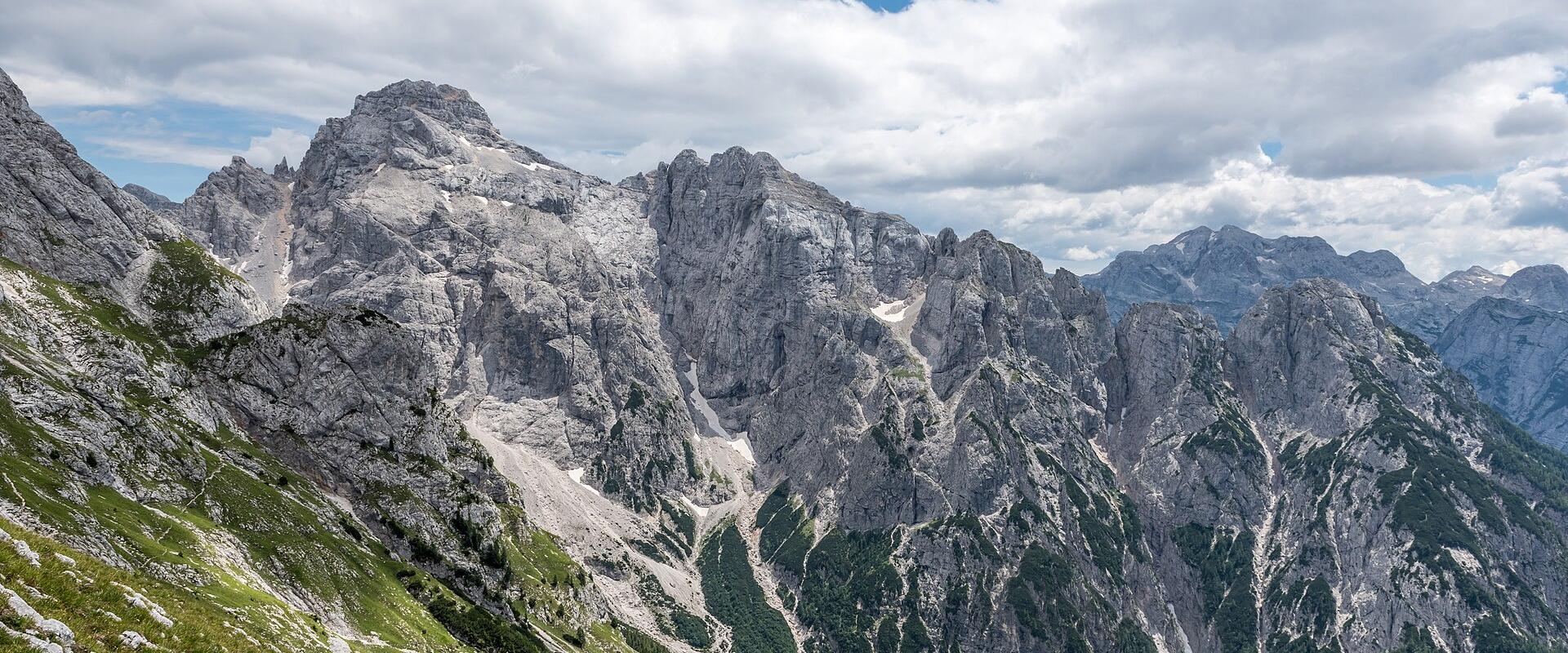
Triglav
Slovenia’s highest peak and centerpiece of national park
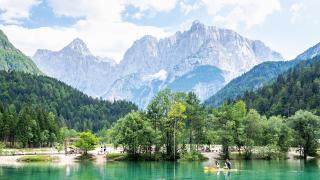
Triglav, rising to 2,864 metres, is not only the highest peak in Slovenia but also a powerful symbol of national pride and natural heritage. It stands in the centre of the Julian Alps and dominates Triglav National Park, the country’s only national park and a protected area known for its unspoilt wilderness and biodiversity. The name means three heads, and refers to the mountain’s distinctive triple summit, which can be seen from many parts of Slovenia and which has inspired legends and folklore for centuries. The Julian Alps as a whole, with Triglav as their anchor, form Slovenia’s best-known mountain landscape.
The history of Triglav as a climbing destination goes back to the late eighteenth century, with the first recorded ascent in 1778. Since then, climbing Triglav has become a cherished tradition for Slovenians, and there is a saying that you are not a true Slovenian until you have stood on its summit. The mountain’s image appears on the national flag and coat of arms, which underlines its deep cultural meaning. Near the top stands a small metal tower, the Aljaž Tower, which has become part of the mountain’s identity.
Triglav National Park, protected in various forms since 1924 and expanded over the decades, covers a large area of alpine meadows, dense forest, glacial lakes and dramatic gorges. The park is a haven for hikers, climbers and nature lovers, with a network of marked trails ranging from gentle valley walks to demanding multi-day ascents. The classic routes to the summit usually start from the Krma, Vrata or Bohinj valleys, with overnight stays in mountain huts such as Triglavski Dom na Kredarici. The final ascent includes secured via ferrata sections and rewards climbers with sweeping views over the Julian Alps and beyond. It is a serious mountain, and inexperienced walkers should go with a guide.
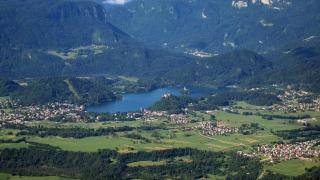
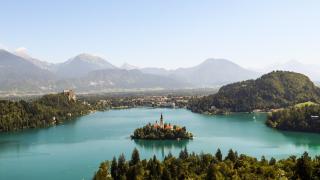
Beyond the summit, Triglav National Park is rich in natural attractions. Lake Bohinj, the largest permanent lake in Slovenia, is a centre for swimming, kayaking and paddleboarding, while Lake Bled and its island are only a short drive away. The park’s gorges, such as Vintgar and Mostnica, offer spectacular walks through narrow canyons cut by turquoise rivers. Waterfalls such as Savica and Peričnik are popular stops, especially in spring and early summer when water levels are high.
Adventure seekers can enjoy mountain biking, paragliding, canyoning and whitewater rafting on the Soča River. In winter the park becomes a snowy landscape, with ski touring, snowshoeing and ice climbing. The Vogel Ski Center, reached by cable car from Lake Bohinj, offers skiing with striking alpine views.
Triglav National Park is also a place of cultural and ecological importance. Traditional alpine villages, such as Stara Fužina and Ribčev Laz, give a glimpse of local life, with wooden hayracks, cheese dairies and old churches. The park is home to chamois, ibex, marmots and golden eagles, as well as rare alpine plants, and visitors are asked to keep to marked paths and take their rubbish home.
Getting to Triglav and the national park is straightforward from Ljubljana and other major Slovenian cities, with regular buses and trains to gateway towns such as Bled, Bohinj and Kranjska Gora. From there local transport or taxis can take visitors to trailheads and park entrances. The best time to visit is late June to mid-September, when mountain huts are open, trails are clear of snow and the weather is most stable for high-altitude hiking. Spring and autumn are quieter but less predictable, and snow can linger on the high routes well into early summer.
With its mix of impressive landscapes, rich traditions and endless chances for adventure, Triglav is the ultimate destination for those who want to see the wild side of Slovenia, from a simple valley walk to a full summit climb.
Best time to visit
Late June to mid-September offers the best weather for hiking, climbing, and exploring Triglav National Park; spring and autumn are quieter but less predictable.
What to see in Triglav
Our picks first.
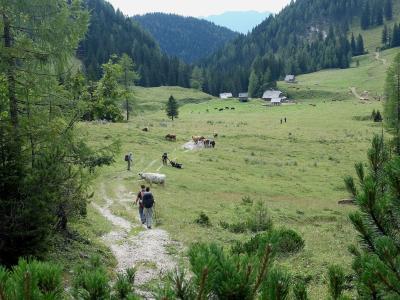
Triglav National Park
Slovenia’s largest park with Alpine peaks and wildlife
Hiking Trails · Mountains
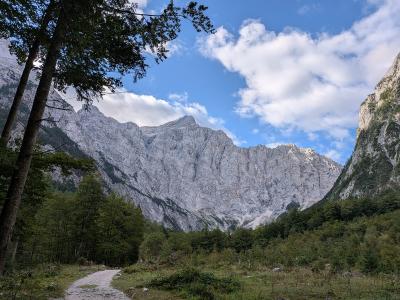
Mount Triglav
Slovenia’s highest peak and national symbol
Activities & Adventure · History & Heritage
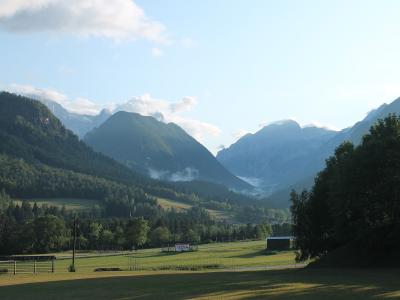
Julian Alps
Slovenia’s largest park with Triglav peak
Activities & Adventure · History & Heritage
Triglav by interest
The same sights, grouped by what you came for.
Did you know?
Checked facts about Triglav, each with its source.
-
History
Triglav Has a Distinct Local Story
Triglav is the highest mountain in Slovenia and the Julian Alps, standing at 2,864 meters and forming the dramatic centerpiece of Triglav National Park.
Source: Triglav - Wikipedia -
History
Four Locals Climbed Triglav Eight Years Before Mont Blanc
In late August 1778, four local men -- surgeon Lovrenc Willomitzer, hunter Štefan Rožič, and miners Matevž Kos and Luka Korošec -- made the first recorded ascent of 2,864 m Triglav, Slovenia's highest peak. Their climb came eight years before the first ascent of Mont Blanc in 1786, making it one of the earliest recorded ascents of a major Alpine summit. A monument to the "Four Bold Men" by sculptor Stojan Batič was erected at Ribčev Laz in Bohinj in 1978, on the 200th anniversary of their feat.
Source: Triglav National Park (official site) -
Sports
Triglav Is Linked to Lake Landscapes
Triglav National Park offers a wealth of outdoor activities, from challenging summit hikes and scenic walks to water sports on Lake Bohinj and exploring iconic gorges like Vintgar.
Source: Triglav National Park - Travel guide at Wikivoyage
Planning a visit to Triglav
Itineraries that include Triglav
Good to know
- Currency
- EUR
- Language
- Slovene
Quick Facts
Book your stay

Questions people ask
More places in Ljubljana & Central Slovenia
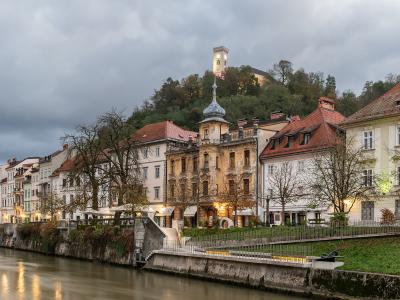
Ljubljana & Central Slovenia
Ljubljana
Charming capital with riverside old town and castle views
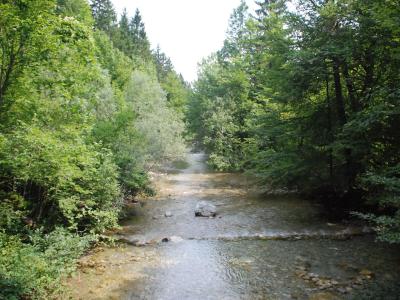
Ljubljana & Central Slovenia
Iški Vintgar
Dramatic river gorge with crystal-clear pools and trails
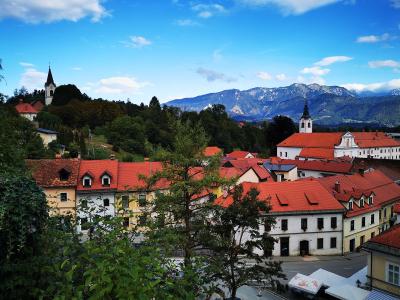
Ljubljana & Central Slovenia
Kamnik
Medieval town with castles, Alps, and artisan streets
Ljubljana & Central Slovenia
Polhov Gradec
Mansion village with museums, hiking, and honey heritage