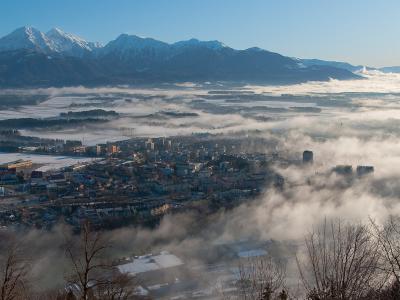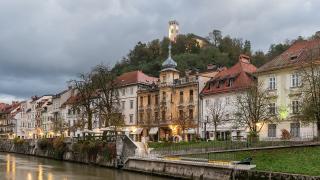
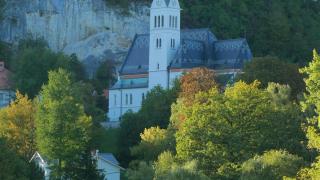
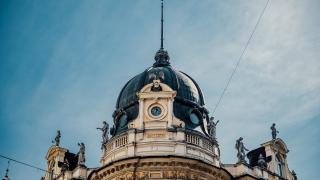
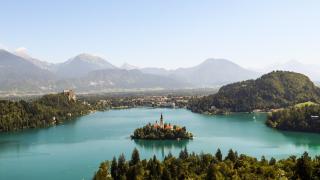
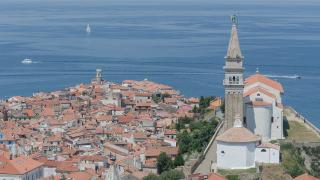
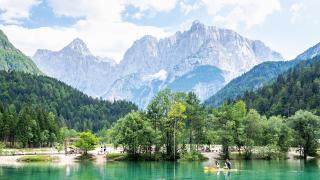
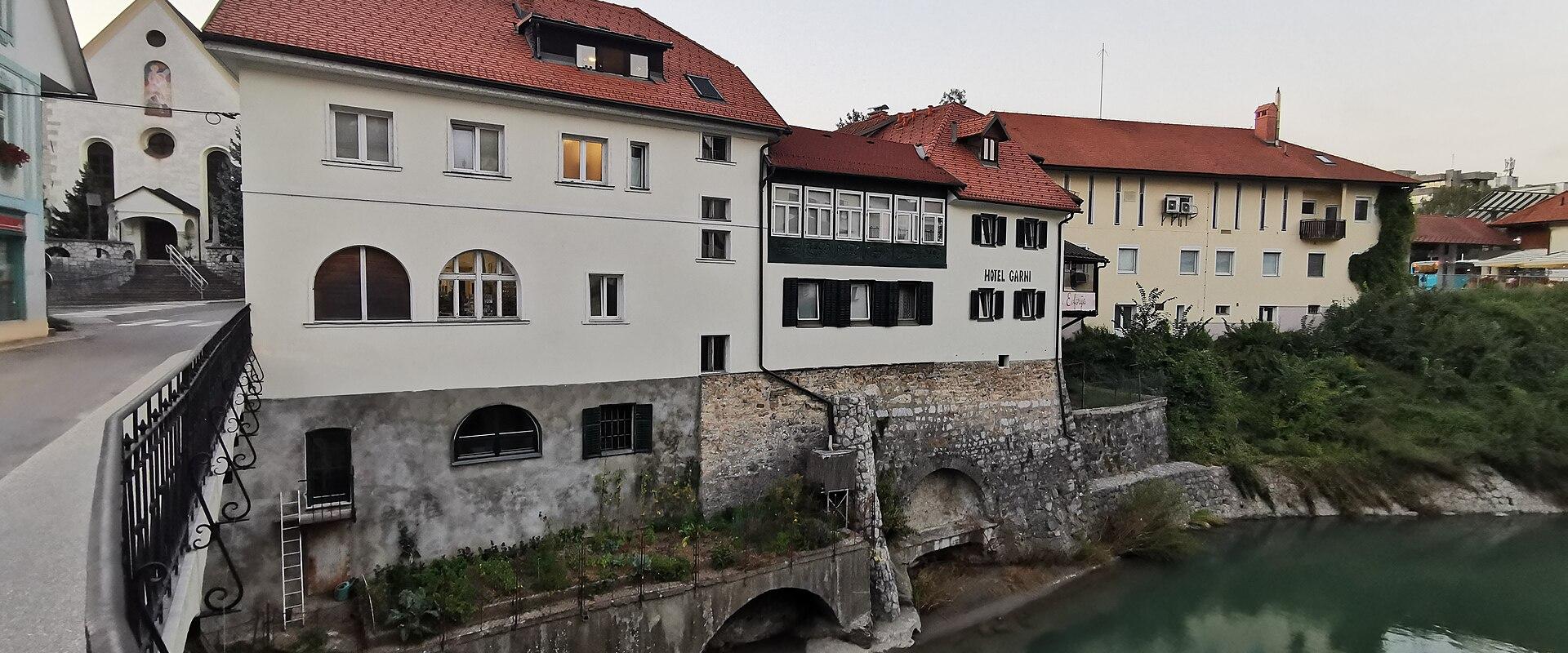
Škofja Loka is often called the most beautiful medieval town in Slovenia, and it is a place where history and legend are close to the surface. The settlement was founded in the tenth century, when the land was given to the Bishops of Freising, who built Škofja Loka Castle on a hill above the old town and ruled the area for centuries; the name itself means the bishop’s meadow. The castle is now home to the Loka Museum, with exhibits on local history, art and folklore, and offers views over the town’s red rooftops and the green hills beyond.
The old town is a network of narrow, cobbled streets lined with pastel houses, artisan workshops and cafés. The main square, Mestni trg or Upper Square, is framed by Renaissance and Baroque facades, with Homan House at Mestni trg 2 among the finest buildings. The Capuchin Bridge, also called the Stone Bridge, a fourteenth-century stone arch over the Selca Sora River, is one of the oldest preserved bridges in Central Europe and a symbol of the town. Nearby, the Devil’s Bridge and the Church of St. James add to the architectural richness.
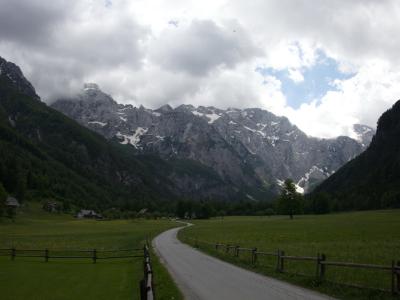
Škofja Loka is a gateway to the scenic Poljane and Selca valleys, with hiking and cycling trails to viewpoints, natural bathing spots and villages. Romuald’s Path and the trail to Puštal and Holy Cross Hill are favourite walking routes with panoramic views and quiet forest. Puštal, a district on the edge of town, is a mix of old houses and countryside and is easy to reach on foot. The hills and rivers offer fishing, rafting and nature photography, and nearby waterfalls and alpine meadows are good for day trips.
Cultural life is lively, with festivals, concerts and craft fairs celebrating the town’s heritage. The Škofja Loka Passion Play is a highlight: a large-scale folk drama on the Passion of Christ, performed through the streets with hundreds of local people. It was inscribed on UNESCO’s Representative List of the Intangible Cultural Heritage of Humanity in 2016 and is staged only once every six years, so check the schedule before planning a visit. Local markets and artisan shops sell handmade crafts, traditional pastries and regional delicacies, a taste of the area’s cuisine, including Gorenjska sausages, žlikrofi and the local biscuits.
Getting to Škofja Loka is easy, with regular bus and train connections from Ljubljana (about 25 km away) and other regional centres. The town is compact and walkable, with parking on the outskirts and in designated lots. Bike rentals and local guides are available for those who want to explore the countryside.
The best time to visit is from mid-June to early September, when the weather is warm and suits outdoor activities, festivals and exploring the old town. Spring and autumn offer milder temperatures, blooming landscapes and fewer crowds, while winter brings a calm atmosphere with snow-dusted rooftops and cosy cafés.
With its mix of medieval charm, alpine adventure and cultural vibrancy, Škofja Loka invites visitors to step back in time at the gateway to Slovenia’s Gorenjska region, and it works equally well as a day trip or a base for several days.
A good way to see the town is to start at the castle in the morning, walk down through the old town and over the Capuchin Bridge at midday, and spend the afternoon on the path toward Puštal, finishing with coffee on Upper Square as the shadows lengthen.
Best time to visit
Mid-June to early September offers warm weather for festivals, hiking, and sightseeing; spring and autumn are mild and scenic, winter is magical and peaceful.
What to see in Škofja Loka
Our picks first.
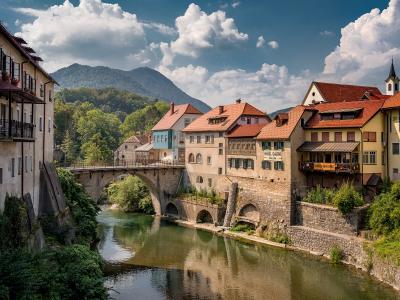
Capuchin Bridge
14th-century stone bridge with unique semi-circular design
Historic Districts · Historic Towns
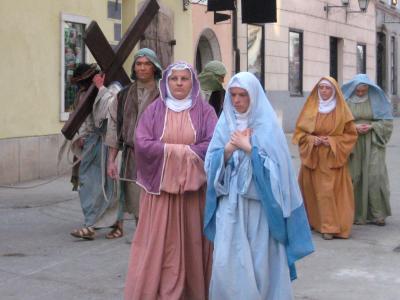
Škofja Loka Passion Play
Oldest Slovene passion play, UNESCO heritage
Festivals · Historic Towns
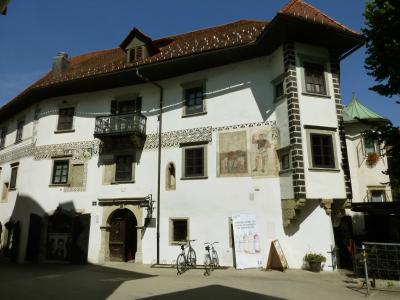
Homan House
Historic 16th-century mansion with frescoes
Historic Houses · Historic Towns
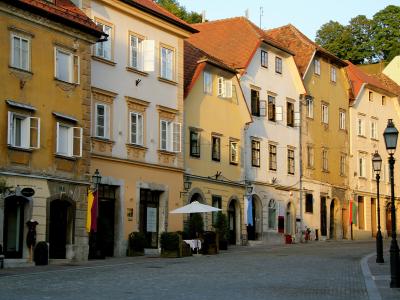
Upper Square
Medieval Upper Square at Škofja Loka’s historic center
Historic Districts · Historic Towns
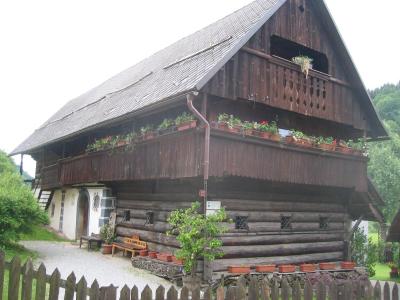
Puštal
Medieval village near Škofja Loka Castle
Hiking Trails · Historic Districts
Škofja Loka by interest
The same sights, grouped by what you came for.
Did you know?
Checked facts about Škofja Loka, each with its source.
-
History
Škofja Loka Keeps a Castle Story
Renowned for its enchanting old town, hilltop castle, and iconic stone bridges, Škofja Loka offers a captivating blend of history, culture, and natural beauty.
Source: Škofja Loka Castle — Slovenia — Castelli nel Mondo -
History
Škofja Loka Has Another Verifiable Detail
With its vibrant festivals, local museums, and welcoming community, Škofja Loka is an ideal destination for travelers seeking to experience the charm and heritage of Slovenia’s alpine heartland.
Source: Škofja Loka - Wikipedia -
Record
A UNESCO Passion Play Staged Only About Every Six Years
Škofja Loka's medieval streets become a stage for the Škofja Loka Passion Play, a Lenten procession based on a 1721 text by the Capuchin friar Romuald -- regarded as the oldest preserved dramatic text in the Slovene language. The production is so complex, involving more than 900 local performers plus some 400 volunteers, that it is staged only about once every six years (the 2021 edition was postponed to 2026). In 2016, UNESCO inscribed it on the Representative List of the Intangible Cultural Heritage of Humanity.
Source: UNESCO Intangible Cultural Heritage
Planning a visit to Škofja Loka
Itineraries that include Škofja Loka
Good to know
- Currency
- EUR
- Language
- Slovene
Quick Facts
Book your stay