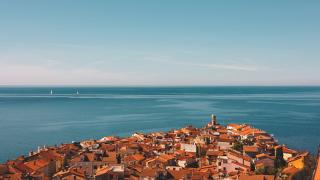
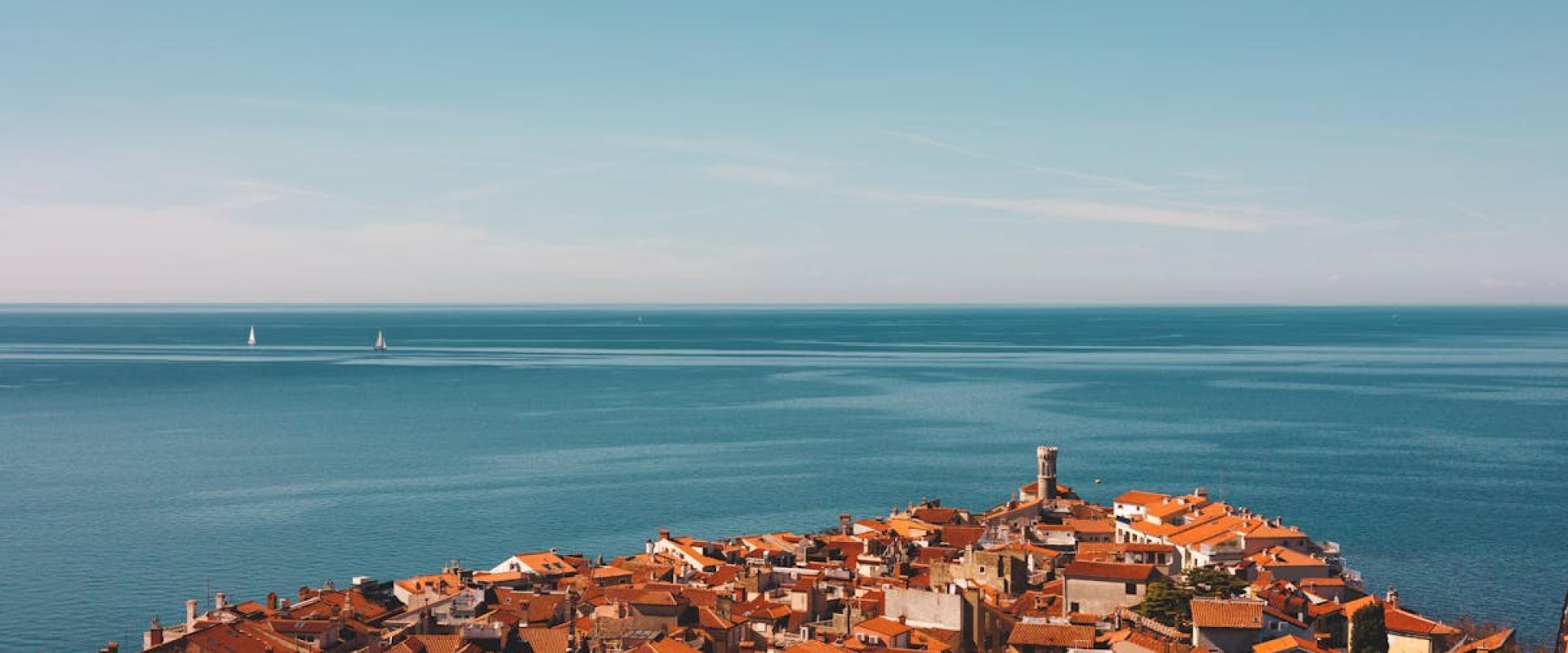
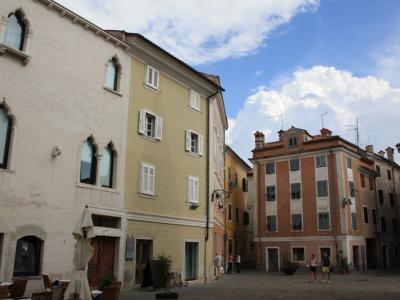
Piran is often called the jewel of Slovenia’s Adriatic coast, a town where history, culture and the sea come together in a very compact place. Its origins go back to Roman times, but it flourished under Venetian rule from the thirteenth to the eighteenth centuries, which left a legacy of Gothic and Renaissance architecture that still defines the town. The old town is a maze of narrow alleys, pastel houses and small courtyards, all leading to the centre, Tartini Square. The square is named after Giuseppe Tartini, the violinist and composer who was born in Piran in 1692, and it is framed by elegant palaces, the Town Hall and the Venetian House, each telling a story of the town’s cosmopolitan past.
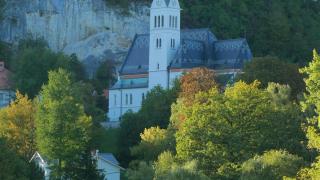
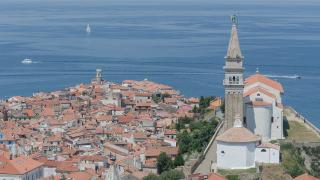
One of Piran’s most visible landmarks is St. George’s Parish Church, on a hill above the town. Its bell tower, modelled on the campanile of Venice, gives views over the Adriatic, the Slovenian coast and, on clear days, the distant Alps. The medieval town walls, which once protected Piran from invaders, can still be climbed for views and a sense of the town’s strategic importance. The narrow cobblestone streets below are the soul of the town, and getting lost in them is part of the pleasure. The Old Square, Prvomajski trg, sits a little apart from the crowds and is a good place for a coffee. The harbour, lined with fishing boats and yachts, is a lively spot where locals and visitors eat fresh seafood and ice cream in the sea breeze.
Piran’s cultural life is lively. Museums such as the Maritime Museum and the Sergej Mašera Museum of Piran show the town’s seafaring heritage and artistic achievements, and the Magical World of Shells Museum is a small private collection that appeals to visitors of all ages. The town hosts music festivals, art exhibitions and traditional events through the year, including the Tartini Festival and the Saltworks Festival, which celebrate its musical and salt-making traditions.
Outdoor activities are plentiful in and around Piran. The beaches and rocky coves suit swimming, sunbathing and snorkelling, while the Fiesa-Piran walking trail follows the coast on a pleasant route. Cycling, sailing and boat tours are popular ways to explore, and day trips lead to Portorož, the Sečovlje Salina Nature Park and the Istrian hinterland, where olive groves and small villages offer more opportunities for discovery.
Seafood dominates the menus: grilled fish, calamari, mussels and seafood risotto, served with Malvazija or Refošk wine, and the local olive oil and salt are good to take home. Piran salt, harvested at Sečovlje, is a particular souvenir.
Getting to Piran is easy by car, bus or boat, with connections from Ljubljana (about 120 km), Trieste (Italy) and other coastal towns. The old town is largely pedestrianised and best explored on foot, with parking on the outskirts and shuttle buses connecting to the centre. Bike rentals and local guides are available for those who want to go farther.
The best time to visit is April to October, when the weather is warm and sunny, ideal for sightseeing, beach days and outdoor dining. Summer brings the liveliest atmosphere, while spring and autumn offer mild temperatures, fewer crowds and a more relaxed pace. Early morning and evening, when day trippers have left, are the best times to see the town at its most atmospheric.
With its mix of Venetian elegance, seaside charm and cultural richness, Piran is a place to linger and a rewarding way to see the best of Slovenia’s Adriatic coast.
Best time to visit
April to October offers warm, sunny weather for sightseeing, beaches, and festivals; summer is lively, spring and autumn are mild and less crowded.
What to see in Piran
Our picks first.
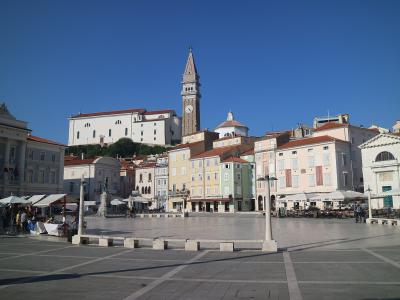
Tartinijev trg (Tartini Square)
Historic square with Tartini statue and Gothic house
Historic Towns · Monuments
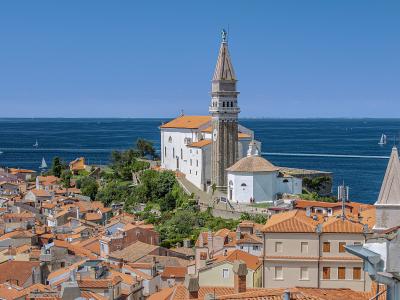
St. George's Parish Church
Venetian Renaissance church with St. Mark’s bell tower
Churches · Historic Towns
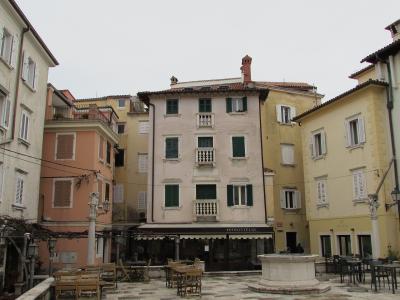
Old Square
Historic heart of Piran with Venetian architecture
Historic Districts · Historic Towns
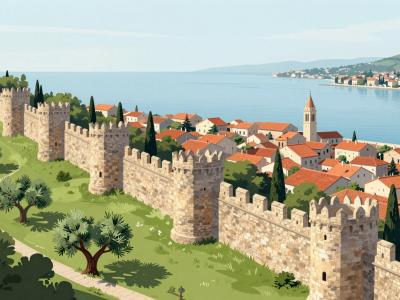
Medieval Walls
Medieval coastal walls guarding Piran’s heritage
History & Heritage · Urban Exploration
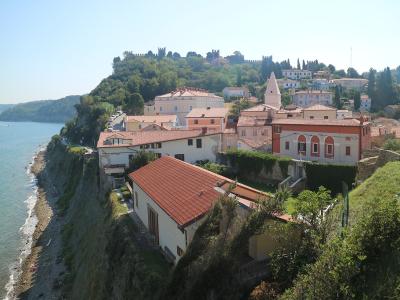
Narrow cobblestone streets
Narrow cobblestone streets framed by Venetian Gothic buil...
City Centers · Historic Districts
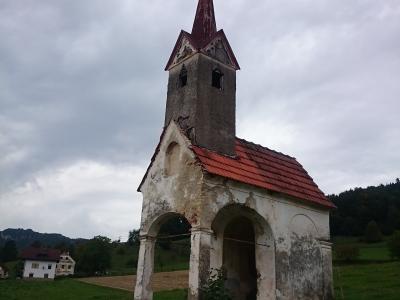
Bell Tower
54m tower with Slovenia’s oldest bell and sea views
History & Heritage · Urban Exploration
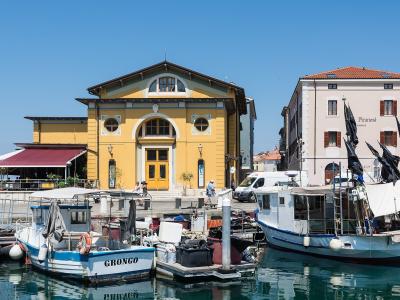
Aquarium
Coastal aquarium showcasing diverse marine species
Museums
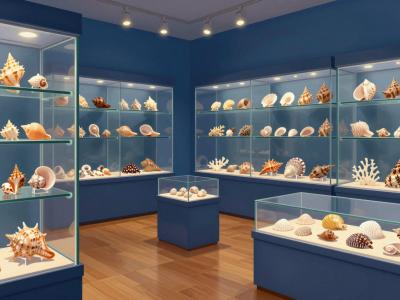
Magical World of Shells Museum
Unique global shell collection in Slovenia
Historic Districts · Museums
Piran by interest
The same sights, grouped by what you came for.
Did you know?
Checked facts about Piran, each with its source.
-
History
Piran Preserves Medieval Heritage
Piran is a stunning coastal town in Slovenia’s Piran & Istrian Coast region, renowned for its Venetian architecture, medieval town walls, and vibrant Mediterranean atmosphere.
Source: Piran, the prettiest town on the Adriatic coast of Slovenia -
History
Piran Has Another Verifiable Detail
George’s Parish Church and its bell tower.
Source: St. George's Parish Church (Piran) - Wikipedia -
Notable Person
The Devil's Trill Composer Was Born in Piran
Giuseppe Tartini, the Baroque violin virtuoso behind the famously fiendish "Devil's Trill Sonata," was born in Piran on April 8, 1692, when the town was still part of the Republic of Venice. He went on to revolutionize violin bowing technique and founded a violin school in Padua in the late 1720s that drew students from across Europe, earning it the nickname "School of the Nations." Piran has never forgotten its most famous son: in 1894 the old inner harbour was filled in and transformed into the town's grand central square, named Tartini Square in his honour, where his bronze statue has stood since 1896.
Source: Wikipedia
Planning a visit to Piran
Itineraries that include Piran
Good to know
- Currency
- EUR
- Language
- Slovene
Quick Facts
Book your stay

Questions people ask
More places in Piran & Istrian Coast
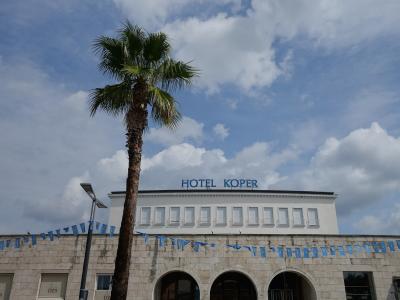
Piran & Istrian Coast
Koper
Venetian old town, Adriatic port, and seaside promenades
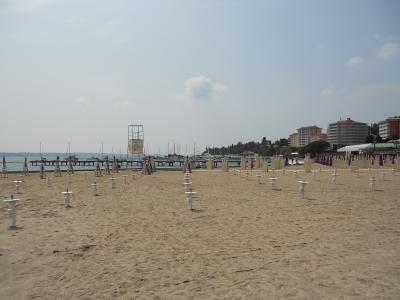
Piran & Istrian Coast
Portorož
Seaside resort with beaches, spas, and vibrant nightlife
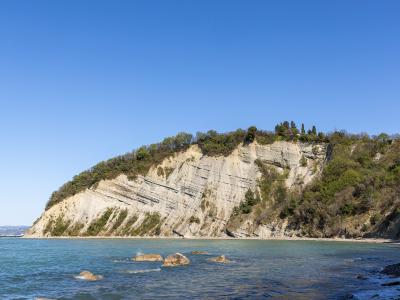
Piran & Istrian Coast
Slovenian Istria
Mediterranean coastline, historic towns, and vineyards
Piran & Istrian Coast
Izola
Seaside town with Venetian old town and Mediterranean flair