


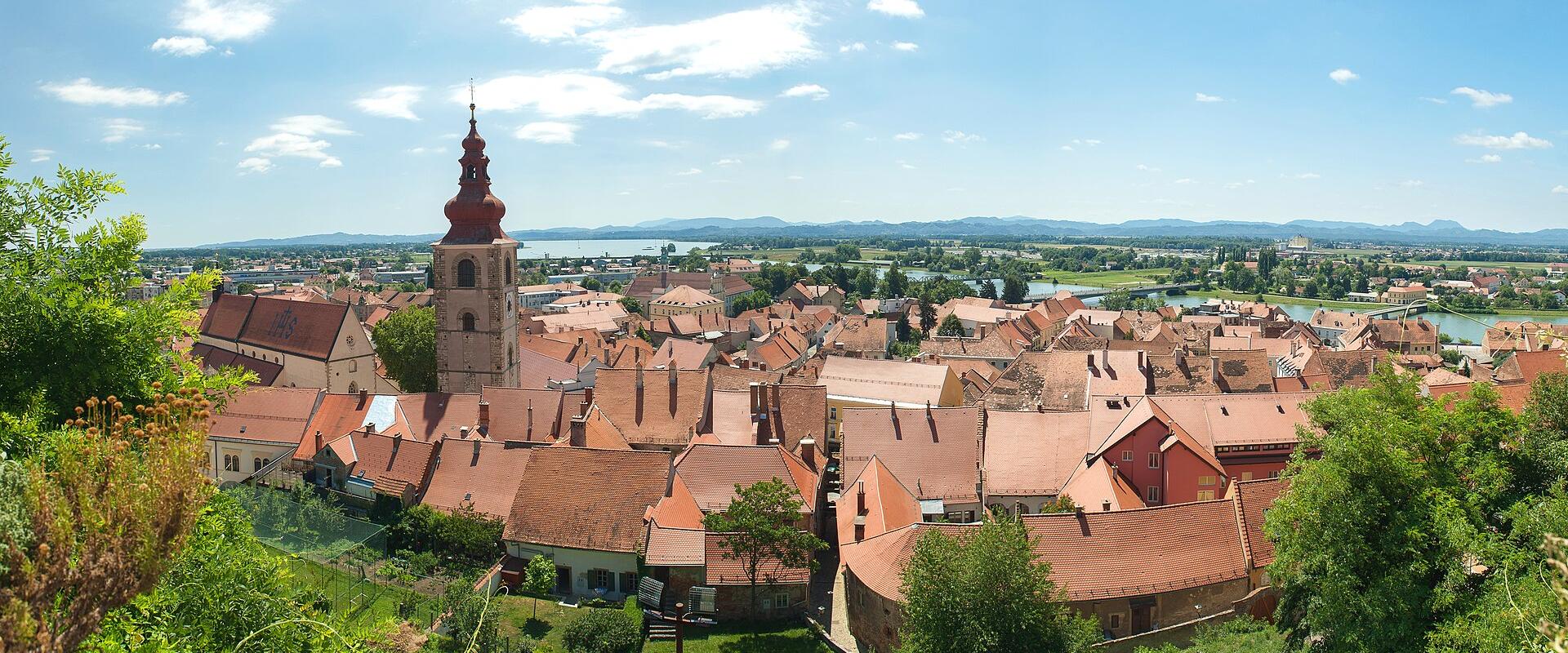
Ptuj is often called the oldest town in Slovenia and weaves together thousands of years of history, culture and scenery. It stands on the Drava River, and its position has made it a crossroads of civilisations since prehistoric times. The town flourished as the Roman settlement of Poetovio, a major military, commercial and administrative centre of the Roman Empire. Remnants of this era, such as the Orpheus Monument, a Roman tombstone and one of the most important ancient objects in Slovenia, can still be seen in the town centre. Mithraeum I and III are among the most interesting archaeological sites, giving a view of the Roman cult of Mithras that was popular among soldiers and traders in Poetovio.
The centre of Ptuj is its medieval old town, a maze of cobbled streets lined with pastel buildings, lively squares and cafés. Ptuj Castle (Ptujski Grad), on a hill above the town, dominates the skyline. It is a symbol of Ptuj and a treasure house of history, containing the Ptuj Regional Museum, with collections of medieval weapons, musical instruments, traditional costumes and art. From the castle terraces there are sweeping views over the red-tiled roofs and the Drava River.
Other landmarks include the Dominican Monastery, with its cloisters and art exhibitions, and the City Tower, another vantage point over the town. The Church of St. George and the Minorite Monastery add to the spiritual and architectural richness of Ptuj, and the Mihelič Gallery, named for a local painter, is a quiet stop for art lovers. The Roman heritage is also shown in the Archaeological Park, where ancient ruins and mosaics are displayed.
Ptuj is also known for its lively cultural life. The annual Kurentovanje carnival, held in February or March, is one of the most colourful and distinctive festivals in Slovenia, with the Kurenti, costumed figures believed to chase away winter and evil spirits. The Kurent tradition is recognised as intangible cultural heritage by UNESCO. Through the year Ptuj hosts music, art and wine festivals that show its lively community spirit and rooted traditions.
Wine lovers will find much to enjoy, as the town is surrounded by vineyards and has some of Slovenia’s oldest wine cellars; the Ptuj cellar, founded in the thirteenth century, is often cited as the oldest in the country. Wine tastings and cellar tours are popular, giving a chance to try local varieties and learn about the region’s winemaking history. For relaxation, visitors can use the thermal pools and wellness facilities at the nearby Terme Ptuj spa complex.
Getting to Ptuj is convenient, with the town about 130 kilometres northeast of Ljubljana and easy to reach by car, train or bus. The main train and bus stations are within walking distance of the old town. Ptuj’s compact centre is best explored on foot, which lets visitors take in the historic atmosphere and find hidden corners at every turn.
The best time to visit is mid-June to mid-September, when the weather is warm and suits sightseeing, festivals and exploring the countryside. Spring and autumn offer milder temperatures and fewer crowds, while winter brings the festive spirit of Kurentovanje and a quieter feel.
The Drava is part of the picture too. A riverside walk gives a good view of the castle rising above the old roofs, and the old bridges and the quiet embankments are pleasant at sunset. In winter the town is calm, while at carnival time the streets fill with bells, furs and masks, so it pays to book lodging early for that weekend.
With its mix of Roman ruins, medieval charm, cultural festivals and good food and wine, Ptuj is a place to see the depth and variety of Slovenia’s heritage, and it rewards a stay of two days.
Best time to visit
Mid-June to mid-September offers warm, sunny weather ideal for sightseeing and festivals; spring and autumn are pleasant with fewer crowds.
What to see in Ptuj
Our picks first.
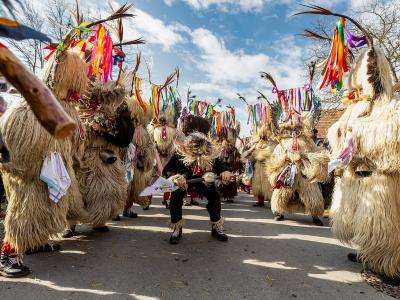
Kurentovanje carnival
UNESCO carnival with Kurenti masks in Ptuj
Festivals · Historic Towns
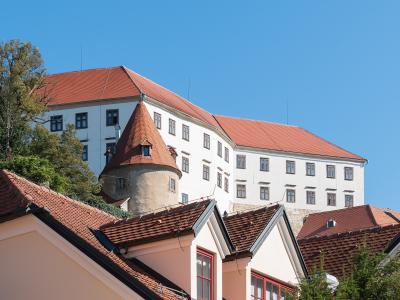
Ptuj Castle
Medieval castle with ancient roots and rich collections
Cultural Experiences
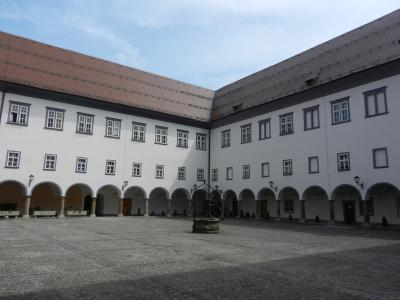
Minorite Monastery
13th-century monastery with rare manuscripts
Cultural Experiences · History & Heritage
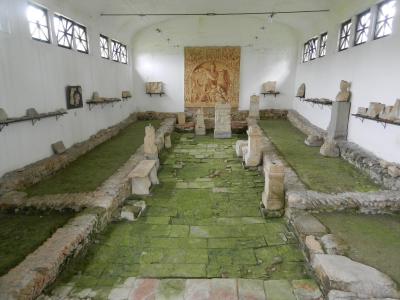
Mithraeum I and III
Ancient Roman Mithras shrines with rare tauroctony statues
Cultural Experiences · History & Heritage
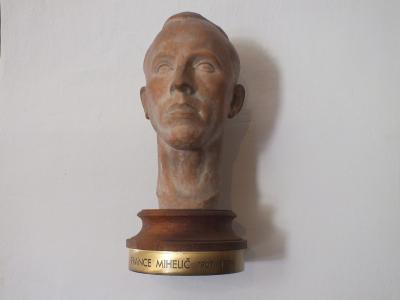
Mihelič
Themed exhibition halls in Ptuj's Mihelič Gallery
Cultural Experiences · History & Heritage
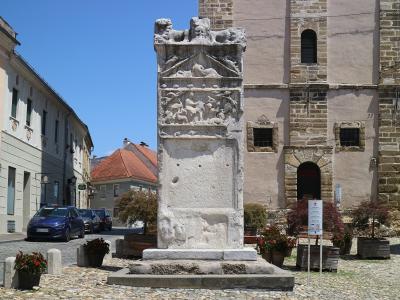
Orpheus Monument
2nd-century Roman tombstone depicting Orpheus myth
Historic Towns · Monuments
Ptuj by interest
The same sights, grouped by what you came for.
Did you know?
Checked facts about Ptuj, each with its source.
-
History
Ptuj's Shaggy Kurenti Earned UNESCO Heritage Status in 2017
In 2017, UNESCO inscribed the "Door-to-door rounds of Kurenti" on its Representative List of the Intangible Cultural Heritage of Humanity -- a Shrovetide custom from the Ptuj region of northeastern Slovenia. From Candlemas (2 February) until Ash Wednesday, groups of Kurenti in shaggy sheepskin costumes run from house to house through the villages around Ptuj and the town itself, jumping, swinging wooden sticks and ringing heavy bells to chase away evil and bring good luck. You can see hundreds of them in action at Kurentovanje, Ptuj's Shrovetide carnival festival first held in 1960 and usually running in February.
Source: UNESCO Intangible Cultural Heritage -
History
Ptuj Keeps a Castle Story
The town’s atmospheric old center is crowned by the imposing Ptuj Castle, which offers panoramic views and houses a regional museum.
Source: Ptuj - Wikipedia
Planning a visit to Ptuj
Itineraries that include Ptuj
Good to know
- Currency
- EUR
- Language
- Slovene
Quick Facts
Book your stay

Questions people ask
More places in Štajerska
Štajerska
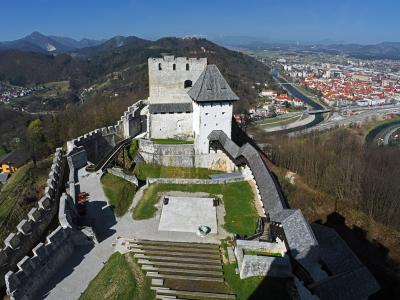
Celje
Medieval castle city with riverside parks and vibrant old town
Štajerska
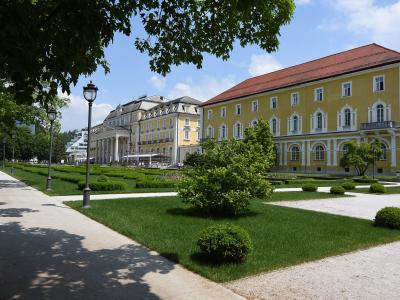
Rogaška Slatina
Historic spa town with mineral springs and crystal glass
Štajerska
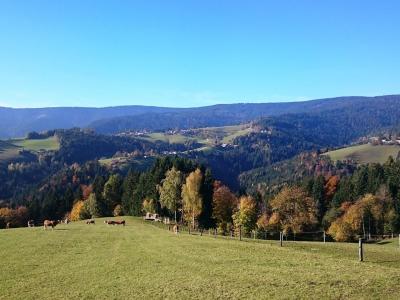
Rogla
Alpine plateau for skiing, hiking, and wellness escapes
Štajerska
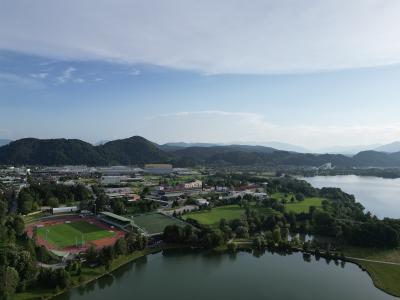
Velenje
Modern town with lakeside beach, castle, and mining museum