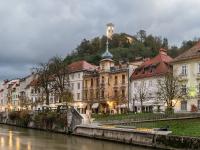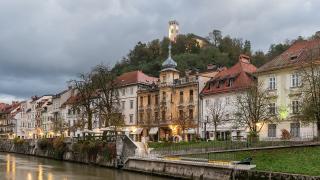

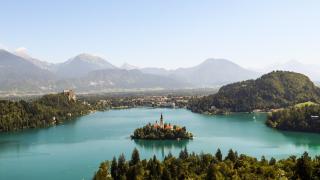
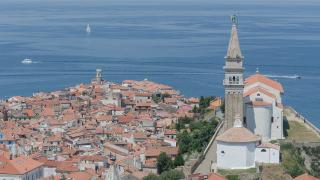
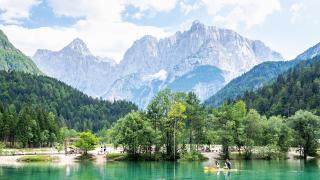

Slovenia prioritizes sustainable transport to protect its lush landscapes. Travelers should utilize the efficient national rail network for intercity travel. Trains connect major hubs like Ljubljana, Maribor, and Koper. This method reduces carbon footprints significantly compared to driving. Leverage regional buses for remote areas and national parks. These services reach destinations like Triglav National Park efficiently. Buses operate on fixed schedules, ensuring reliable access. Walk and cycle in urban centers like Ljubljana. The capital features extensive pedestrian zones and bike lanes. Renting bicycles is affordable and widely available. This approach minimizes congestion in historic city centers. Avoid private fossil-fuel cars to reduce emissions. Parking in cities is limited and expensive. Public transit offers a cleaner, more practical alternative. Slovenia’s green initiatives support these low-emission choices. Infrastructure improvements continue to enhance rail and bus connectivity. Choose trains for long distances between regions. Use buses for accessing rural and mountainous areas. Walk within cities to explore local culture. Cycling provides flexibility for short urban trips. These methods align with Slovenia’s environmental goals. Sustainable travel preserves the country’s natural beauty. It also supports local economic stability. Prioritize public options for a responsible journey. This strategy ensures minimal impact on ecosystems. Enjoy Slovenia’s scenery without contributing to pollution. Green mobility is integral to the visitor experience. Plan routes using official transit apps. Check schedules before departure for accuracy. This preparation enhances travel efficiency and sustainability.
Certified Sustainable Stays
Slovenia leads Europe in sustainable tourism through the Green Scheme of Slovenian Tourism (GSS). This national certification verifies environmental standards for accommodations. Travelers should look for the GSS logo when booking lodging. The scheme ensures properties meet strict ecological criteria. Prioritize locally owned guesthouses and agritourism farms. These establishments often source food from their own land. Agritourism supports rural economies and preserves traditional farming. Inquire directly about specific sustainability practices. Ask about renewable energy sources like solar or biomass. Waste management protocols vary by property. Confirm if recycling and composting are standard. Support properties that engage guests in conservation activities. Many farms offer educational tours on local ecology. These experiences deepen understanding of regional biodiversity. The GSS certification covers various accommodation types. Hotels, apartments, and campsites can hold the label. Verification provides transparency for eco-conscious travelers. Choose certified stays to minimize environmental impact. This choice supports Slovenia’s commitment to green tourism. Your stay contributes to preserving natural landscapes. Local ownership ensures money stays in the community. Sustainable travel enhances the visitor experience. It connects guests with authentic Slovenian culture. Always verify current certification status before booking. Standards may evolve with new regulations. Responsible tourism protects Slovenia’s pristine environment for future generations.
Respecting Protected Ecosystems
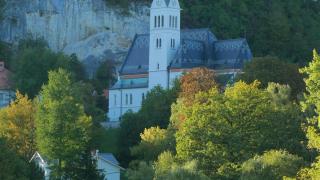
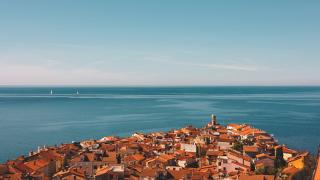
Slovenia protects diverse habitats through strict regulations. Hikers must stay on marked trails in Triglav National Park. Straying damages fragile alpine flora and disturbs wildlife. The park enforces these rules to preserve biodiversity. Visitors should carry reusable bags for all purchases. This reduces single-use plastic waste in rural areas. Slovenia offers numerous public drinking fountains. These provide safe, free water across the country. Using them eliminates the need for bottled water. Fire safety is critical in dry seasons. Campfires are prohibited in most forested zones. Always dispose of waste in designated bins. Littering harms local ecosystems and animals. Coastal areas require specific marine protections. Use reef-safe sunscreen to protect Adriatic waters. Avoid touching coral or disturbing sea life. Respect local signage at all times. These signs indicate sensitive ecological zones. Adhering to guidelines minimizes human impact. Slovenia’s natural beauty relies on collective responsibility. Travelers must actively participate in conservation efforts. Small actions, like picking up litter, matter. Supporting local businesses also aids conservation. Choose eco-certified accommodations and tour operators. This ensures revenue supports environmental protection. Slovenia’s green initiatives depend on visitor cooperation. Follow all posted rules in protected areas. This preserves the landscape for future generations. Responsible travel ensures long-term sustainability. Slovenia remains a model for eco-tourism. Your behavior directly impacts these ecosystems. Act with care and respect always.
Supporting Local and Seasonal
Slovenia’s compact size supports local, seasonal dining. Choose restaurants featuring regional ingredients to reduce food miles. Look for the 'Slovenian Food' label for guaranteed local products. This certification ensures authenticity and supports domestic agriculture. Support wineries practicing organic or biodynamic viticulture. Slovenia’s wine regions prioritize sustainable land management. Visit farmers' markets in Ljubljana or Maribor. Buy directly from producers to support local farmers. This reduces packaging waste and transport emissions. Seasonal produce is fresher and more sustainable. Avoid imported out-of-season items to lower carbon footprints. Mindful consumption minimizes food waste. Plan meals to utilize all purchased ingredients. Compost scraps where facilities exist. Slovenia’s green initiatives rely on conscious consumer choices. Your dining decisions directly impact local ecosystems. Prioritize establishments with clear sourcing policies. This supports the national sustainability framework. Small actions aggregate into significant environmental benefits. Travelers play a key role in preserving Slovenia’s natural heritage through responsible eating habits.
Essential Eco-Travel Checklist
Slovenia enforces strict waste separation. Pack reusable bottles to avoid single-use plastics. Tap water is safe and abundant nationwide. Use biodegradable toiletries in rural areas. Many villages lack advanced sewage systems. Protect local water sources from chemical runoff. Learn basic Slovenian phrases to show respect. Simple greetings ease interactions in rural villages. This cultural respect supports local communities directly. Carry personal waste bags for remote hiking. Trails in the Alps are fragile. Pack out all trash, including organic waste. Leave no trace in sensitive alpine zones. Consider carbon offsetting through local conservation projects. Support the Green Scheme of Slovenian Tourism. This national certification ensures genuine eco-standards. Choose accommodations with the Green Key label. These verified sites prioritize environmental sustainability. Your choices directly support local conservation efforts. Every purchase reinforces sustainable tourism practices. Travelers must respect strict local regulations. Stay on marked trails in protected areas. Disturbing wildlife is strictly prohibited by law. Protect the unique Alpine ecosystem. Your responsible actions preserve Slovenia's natural beauty for future generations. Adhere to local guidelines to minimize impact. Support the preservation of Slovenia's unique environment.