
Why Drive Slovenia
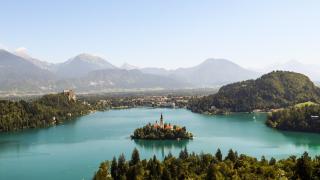
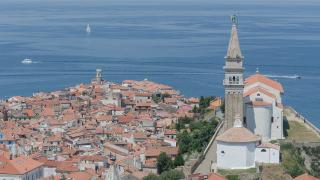
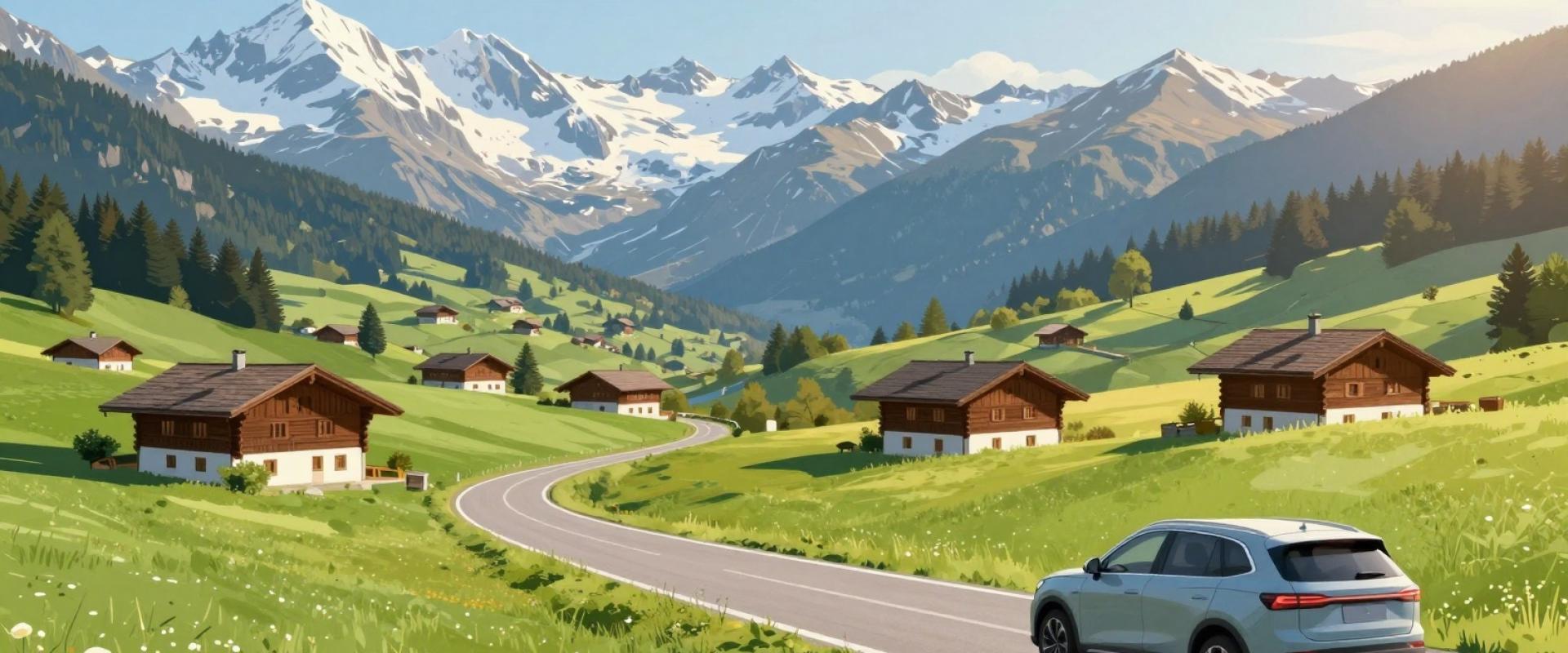
Public transport lacks coverage in rural Slovenia. Trains and buses rarely reach remote valleys. Driving offers necessary flexibility for these areas. Slovenia’s geographic diversity demands independent transport. The Julian Alps feature steep, winding roads. These routes are difficult to navigate by bus. Istria’s coastal villages are scattered and small. A car allows access to inland towns. You can reach Lake Bled and Postojna easily. Public schedules do not support spontaneous stops. Rental cars provide freedom to explore at will. Drivers must prepare for local traffic laws. Rules differ significantly from UK standards. Check required documents before your trip. Ensure you have valid insurance coverage. A vignette is mandatory for highway use. Purchase this electronic sticker online or at borders. Breakdown cover is recommended for mountain travel. RAC services offer 24/7 rescue support. This protection covers medical expenses and baggage. Hiring a car suits families and groups. It reduces travel time between major sites. You avoid waiting for infrequent connections. The cost is reasonable for the convenience. Drive carefully on narrow mountain passes. Yield to oncoming traffic on single-lane roads. Parking in Ljubljana can be challenging. Use designated zones to avoid fines. A vehicle unlocks Slovenia’s full potential.
Legal Requirements & Documents
EU and EEA license holders drive legally in Slovenia. No International Driving Permit is required for these citizens. Non-EU visitors must carry a valid International Driving Permit. This document must accompany your national license at all times. Police enforce strict documentation checks during routine stops. Slovenia maintains a zero-tolerance policy for young drivers. New license holders face a strict 0.0% blood alcohol limit. This rule applies for the first two years of licensure. Experienced drivers may consume alcohol up to 0.5% BAC. Exceeding this limit results in heavy fines and license suspension. Police checkpoints are frequent on major highways and rural roads. Officers regularly verify licenses, insurance, and vehicle registration documents. Ensure all paperwork is current and easily accessible. Failure to produce documents leads to immediate penalties. Rental agencies provide mandatory third-party liability insurance. Additional coverage options are available for comprehensive protection. Always review the rental contract for specific legal clauses. Driving without valid insurance is a serious criminal offense. Prepare all necessary documents before entering Slovenian territory. Compliance ensures a smooth and legal driving experience.
Rental Logistics & Insurance
Book rental vehicles well in advance for peak summer seasons. Local availability drops significantly during July and August. You must purchase a digital vignette for highway access. This electronic toll sticker costs approximately €16.50 for one week. It is mandatory for all motor vehicles on Slovenian roads. Always carry your Green Card when crossing borders into Italy or Austria. This document proves valid third-party liability coverage in neighboring countries. Rental agencies often restrict cross-border travel without prior authorization. Check your contract terms carefully to avoid heavy fines. Standard insurance includes a high excess amount, often exceeding €1,000. Consider purchasing a Collision Damage Waiver to reduce this liability. The daily cost for this waiver varies by company. It provides peace of mind on narrow mountain roads. RAC European Breakdown Cover offers 24/7 rescue services in Slovenia. This covers roadside assistance and medical expenses for drivers. Ensure your policy includes baggage protection for long trips. Verify that your rental agreement allows travel into national parks. Some agencies prohibit driving on unpaved forest tracks. Always inspect the vehicle for existing scratches before departure. Take timestamped photos of the exterior and interior. This documentation protects you from unfair damage charges upon return.
Tolls, Parking & Costs
Slovenia uses an electronic vignette system for highway access. Drivers must purchase this digital permit online before entering the network. The vignette is mandatory for all vehicles using motorways. Parking regulations vary significantly between urban centers and rural areas. Ljubljana and Maribor enforce strict paid parking zones. Use official apps or pay at street meters to avoid fines. Fuel prices in Slovenia remain higher than the EU average. Expect to pay more per liter compared to neighboring Austria. Winter driving requires specific equipment for safety and legality. Snow chains are mandatory during winter months on certain roads. Carry chains if traveling through mountain passes between November and April. Rental agencies often provide winter tires as standard equipment. Verify your vehicle’s specifications before departure to ensure compliance. Parking costs in tourist hotspots increase during peak summer seasons. Plan your budget accordingly for both tolls and daily parking fees. Always keep your vignette confirmation accessible for police checks. Ignoring these rules results in substantial financial penalties. Drive cautiously on narrow mountain roads to prevent accidents.
Driving Etiquette & Safety
Slovenia mandates daytime running lights for all vehicles. This rule applies year-round, regardless of weather conditions. Drivers must keep headlights on at all times while operating a vehicle on public roads. Speed limits are strictly enforced through extensive camera networks. Urban areas typically have a 50 km/h limit. Rural roads often allow up to 90 km/h. Motorways permit speeds of 130 km/h. Exceeding these limits results in significant fines. Wildlife hazards are common in forested regions. Deer and wild boars frequently cross rural roads. Drivers must exercise extreme caution during dawn and dusk hours. Pedestrian safety is prioritized in historic town centers. Narrow streets often lack dedicated sidewalks. Always yield to pedestrians in these zones. In the event of an accident, stop immediately. Exchange insurance details with the other party. Complete a European Accident Statement form if possible. Call emergency services for injuries or major damage. The national emergency number is 112. Police reports are required for insurance claims involving third parties. Ensure your rental agreement covers local liability requirements. Check for any specific exclusions regarding mountain driving. Mountain passes may have additional restrictions during winter months. Always carry a warning triangle and reflective vest. These items are mandatory for all rental vehicles. Failure to comply can result in on-the-spot fines. Plan routes carefully to avoid restricted zones. Some historic centers prohibit entry for non-residents. Look for clear signage indicating access restrictions. Parking in blue zones requires a valid permit. Purchase permits from local kiosks or via mobile apps. Always validate your parking ticket upon arrival. Ignoring parking regulations leads to immediate towing risks. Keep documentation accessible for police checks. Carry your passport and rental contract at all times. Random checks are common in tourist areas. Cooperate fully with law enforcement officials. Provide requested documents promptly and politely. Avoid arguing with officers on the scene. Disputes should be handled through legal channels later. Ensure your vehicle is insured for cross-border travel. If visiting neighboring countries, verify coverage extensions. Slovenia’s insurance system requires valid proof of coverage. Display the green card sticker if applicable. This sticker proves international insurance validity. Keep it visible on your windshield. Failure to display it may cause delays. Always drive defensively in mountainous terrain. Curves are sharp and visibility is limited. Use lower gears on steep descents. This prevents brake overheating and failure. Maintain safe following distances at all times. Tailgating is dangerous and illegal in Slovenia. Respect local driving customs and patience. Aggressive driving is frowned upon socially. Stay calm and focused while navigating traffic. Rushing increases accident risks significantly. Plan breaks every two hours of driving. Fatigue impairs reaction times and judgment. Use designated rest areas for short breaks. These areas are well-maintained and safe. Avoid stopping on hard shoulders unless necessary. This is illegal and highly dangerous. Always use hazard lights when stopped. Alert other drivers to your presence. This reduces the risk of rear-end collisions. Keep your fuel tank above half full. Remote areas may have limited station access. Plan refueling stops before entering rural regions. This ensures you never run out of gas. Check tire pressure before long journeys. Proper inflation improves safety and fuel efficiency. Inspect tires for wear and damage. Replace worn tires before driving in mountains. Winter tires are mandatory from November to March. This period is defined by weather conditions. Check local announcements for specific start dates. Failure to use winter tires incurs fines. Ensure your rental car has winter equipment. Verify this with the rental agency beforehand. Carry chains if traveling to high altitudes. Some roads require chains during heavy snow. Keep them accessible in the trunk. Know the location of nearby repair shops. Save contact numbers for roadside assistance. RAC cover provides 24/7 rescue services. This is valuable for unexpected breakdowns. Medical expenses and baggage protection are included. Use this resource for any emergencies. Do not attempt complex repairs yourself. Wait for professional assistance to arrive. Stay informed about road closures and updates. Check local traffic apps before departing. Weather changes can close mountain passes quickly. Plan alternative routes if necessary. Flexibility is key to safe travel. Always prioritize safety over convenience. Adhering to these tips ensures a smooth trip. Enjoy the beauty of Slovenia responsibly. Drive with care and respect for locals. Your safety depends on your vigilance. Stay alert and prepared for surprises. Slovenia’s roads offer stunning views. But they demand full attention from drivers. Keep your focus on the road ahead. Avoid distractions like mobile phones. Use hands-free devices if absolutely necessary. Pull over to make calls safely. This habit protects you and others. Remember, driving in Slovenia is an adventure. But it requires responsibility and preparation. Follow these guidelines for a secure journey. Your peace of mind is paramount. Safe travels on Slovenian roads.