
Slovenian Budget Landscape
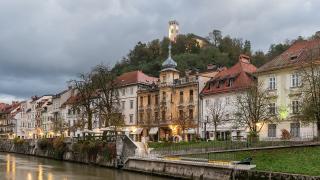
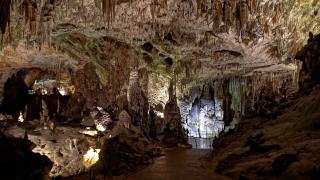
Slovenia offers high-quality budget accommodation standards. The Slovenian Tourist Organization ensures consistent service levels. Hostels, budget hotels, and private apartments form the core market. Ljubljana, Bled, and Piran feature the highest concentration of options. These cities provide diverse lodging for backpackers and families. Seasonal pricing dynamics significantly impact costs. Late spring (May–June) and early fall (September) offer lower rates. Summer months see higher prices due to increased demand. Winter brings skiing costs but limited public transport. Cards are widely accepted in urban budget stays. This payment method simplifies transactions for international travelers. Accommodation quality remains reliable across all budget categories. Travelers find clean, safe environments in major towns. Rural areas offer fewer choices but unique experiences. Planning ahead is essential during peak tourist seasons. Booking early secures better rates and availability. Slovenia balances affordability with European infrastructure standards. Budget travelers access natural beauty without excessive spending. The market caters to active, independent explorers. Historical sites and caves remain accessible via budget transport. Safety remains a priority for all accommodation providers. No specific hostel prices are listed in current guides. General affordability compares favorably to Western European destinations. This makes Slovenia a viable option for extended stays.
Urban Hostel Hubs
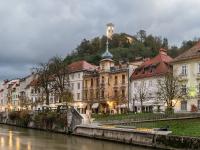
Ljubljana hosts diverse hostel options catering to distinct traveler needs. Social hostels emphasize communal spaces and organized group activities. Design-focused establishments prioritize aesthetic interiors and modern amenities. Maribor offers accommodation primarily oriented toward student populations. These venues often provide affordable rates near university districts. Proximity to public transport remains a critical selection factor. Most urban hostels sit within walking distance of tram lines. This access ensures easy movement across the city center. Digital booking platforms dominate the reservation process for these stays. Online confirmation is typically required before arrival at the property. Check-in protocols frequently utilize digital keys or self-service kiosks. Physical reception desks are less common in newer facilities. Travelers should verify specific entry instructions during the booking phase. Payment methods vary, though credit cards are widely accepted. Cash remains useful for smaller incidental expenses or deposits. Availability peaks during late spring and early fall seasons. Summer months see higher occupancy due to increased tourism volume. Winter stays offer lower prices but limited social programming. Budget travelers must plan accommodations well in advance for peak periods. Ljubljana’s compact size allows for easy navigation on foot. Maribor’s layout requires more reliance on public transit systems. Both cities maintain high standards for hygiene and safety. Hostels often include kitchen facilities for self-catering options. This feature helps reduce overall daily travel costs significantly.
Alpine and Lakeside Stays
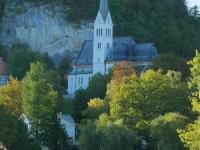
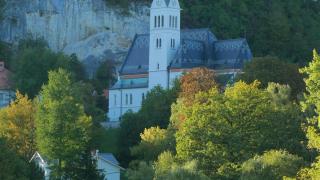
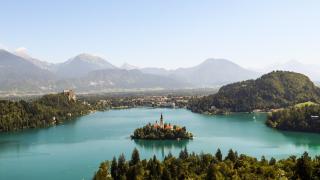
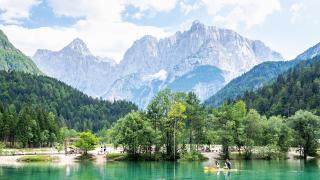
Alpine and lakeside hostels in Slovenia are typically small, family-run operations. These establishments prioritize functionality over luxury amenities. Shared bathrooms and basic kitchens remain standard features for budget travelers. High demand characterizes the peak summer season in popular hubs like Bled. Early booking is essential to secure a bed during July and August. Winter months offer quieter stays, though public transport schedules become limited. Self-catering is necessary due to sparse dining options in remote alpine villages. Travelers must plan meals carefully when staying near Triglav National Park. Transport connectivity poses a significant challenge for those without private vehicles. Bus routes to lakeside towns run infrequently outside peak hours. You should verify timetables well in advance of your arrival. Accommodation costs rise sharply near Lake Bohinj during the high season. Budget travelers often find better value in smaller villages further from main attractions. The Slovenian Tourist Organization maintains quality standards for these rural hostels. However, services remain basic compared to urban centers in Ljubljana. You must pack essentials, as local shops may be distant. Late spring and early fall provide the best balance of weather and availability. These shoulder seasons offer lower prices and fewer crowds. Always confirm heating availability, as mountain nights grow cold quickly. This preparation ensures a comfortable stay in Slovenia’s natural tourism hubs.
Coastal Budget Options
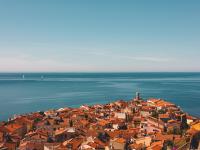
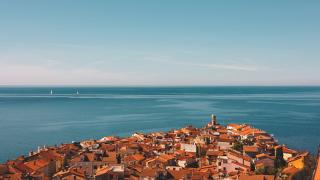
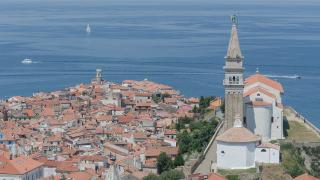
Hostels are scarce in Slovenia’s coastal towns. Piran and Portorož offer limited dormitory options. Most budget travelers utilize private apartments. These rentals provide kitchen facilities for self-catering. Guesthouses (prenočišča) are the primary budget alternative. They offer basic rooms at moderate rates. Prices rise significantly near the seafront. Properties further inland remain more affordable. You can find lower rates in Koper. Transport links connect the coast to Ljubljana. Buses run frequently between major hubs. This allows staying inland while visiting the coast. Summer months see peak pricing. Booking in advance is essential for coastal stays. Winter offers quieter, cheaper alternatives. However, some services reduce hours. Research specific towns for accurate availability. Private apartments often include parking. This benefits travelers with rental cars. Guesthouses may lack social atmospheres. They suit quiet, independent travelers. Consider location relative to bus stops. Proximity to public transport reduces costs. Coastal budget travel requires strategic planning. Prioritize inland locations for better value. Verify amenities before booking online. Check for air conditioning in summer. Coastal humidity can be intense. Basic facilities are standard in budget zones. Luxury amenities are rare in this price range.
Booking and Logistics
Book Slovenian hostels three to six months ahead for summer. Ljubljana and Bled require early reservations due to high demand. Online platforms dominate the Slovenian booking market. Direct website bookings often offer better cancellation policies. Always verify the specific cancellation window before paying. Credit and debit cards are accepted almost everywhere. Cash remains useful for small rural guesthouses. Some remote alpine huts require exact change only. Watch for mandatory city taxes in urban areas. Ljubljana charges a small per-person nightly fee. This tax is rarely included in the online price. Add it to your total budget calculation. Hostel membership cards like HI or YHA provide discounts. These discounts apply to many Slovenian independent hostels. Verify membership acceptance before finalizing your reservation. Off-season travel in May or September reduces costs. Prices drop significantly outside the peak summer months. Budget travelers should prioritize self-catering apartments in Piran. Dormitory options are scarce along the Slovenian coast. Private rentals offer better value for coastal stays. Always check if kitchen access is included. This feature helps reduce daily food expenses significantly.