
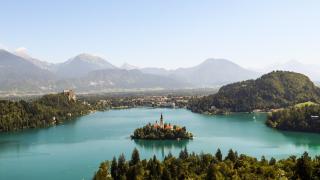
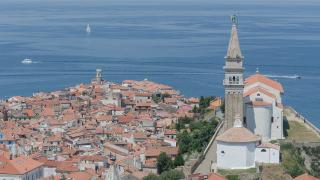
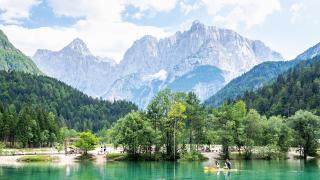

Slovenia’s terrain shifts rapidly from alpine to Mediterranean. This diversity demands precise packing. The Julian Alps require insulated layers. Temperatures drop sharply at high altitudes. Hikers must carry merino wool base layers. These fabrics manage moisture effectively. Synthetic materials dry quickly in rain. A waterproof outer shell is essential. Sudden storms are common in the Alps. Layering allows adjustment to temperature changes. Cotton is unsuitable for active wear. It retains moisture and causes chilling. Pack lightweight, breathable fabrics for daytime. Sturdy boots are necessary for rugged trails. The climate varies significantly by elevation. Lower regions remain warmer longer. Higher elevations require insulated gear. Prepare for four seasons in one day. This approach ensures comfort and safety. Proper gear is critical for safety. Always check local weather forecasts. Adjust clothing based on daily conditions. This strategy minimizes risk and maximizes comfort. Trust the layering system for reliability.
Footwear for Cobblestones and Trails
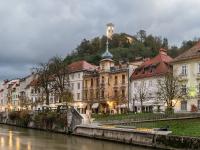
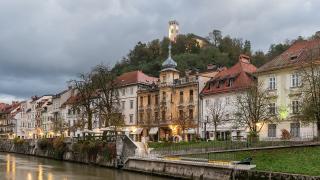
Slovenia’s historic centers feature uneven cobblestones. Ljubljana and Piran require sturdy, flat-soled shoes. Ankle support prevents injury on slick, wet stone. Alpine terrain demands high-traction hiking boots. The Julian Alps require insulated, grippy footwear. Trail conditions vary from gravel to rock. Sturdy boots provide necessary ankle support. Versatile footwear bridges day and night transitions. A single pair of trail runners often suffices. They handle cobblestones and light trails. This reduces packing weight significantly. Versatile footwear is essential for Slovenian travel. It accommodates both urban and alpine needs. Choose closed-toe shoes with solid grip. Avoid thin soles or high heels. They offer no protection on rough ground. Comfort is critical for long daily walks. Sturdy footwear ensures safety and comfort. It allows exploration of diverse landscapes. Pack one pair of versatile, sturdy shoes. This minimizes luggage while maximizing safety. The right footwear is essential for travel.
Respecting Sacred Spaces
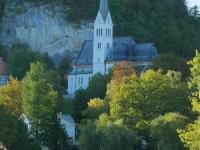
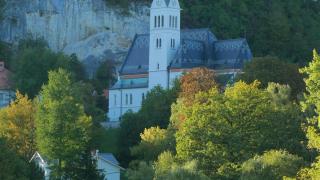
Slovenia remains a predominantly Catholic nation. This cultural reality dictates specific dress codes for religious sites. Visitors must respect these traditions when entering churches. Shoulders and knees must remain covered at all times. This rule applies to both men and women. It is a strict requirement for entry into sacred spaces. You must pack lightweight, long-sleeved shirts or blouses. These items provide necessary coverage for the shoulders. Long skirts or trousers are also appropriate options. A large, lightweight scarf is the most practical solution. This accessory can cover bare shoulders or knees instantly. It allows for modest entry into any church. The solution is simple, portable, and respectful. You can easily carry a scarf in a day bag. This ensures compliance with local religious norms. It is a small item with significant cultural impact. Respecting local customs enhances the travel experience. It shows appreciation for Slovenian heritage. Always check specific church rules before visiting. Some smaller chapels may have stricter requirements. However, the shoulder and knee rule is standard. Packing a versatile scarf is the best strategy. It ensures access to all religious sites. This simple preparation respects local traditions. It is a key aspect of cultural sensitivity. Plan your packing list with this in mind. It is a small detail with major importance.
Smart Seasonal Strategies
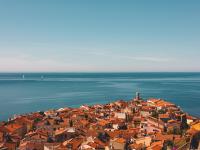
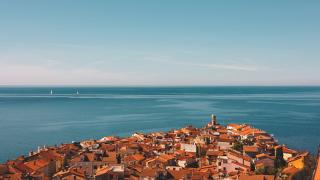
Spring brings unpredictable rain to the coast. Pack a lightweight, waterproof jacket. Spring temperatures in Ljubljana remain cool. Layering is essential for variable conditions. Summer heat dominates the coastal regions. Temperatures in Piran often exceed thirty degrees. Bring breathable cottons and sun protection. Mountain areas like Bled stay cool. Evenings require a fleece or light sweater. Autumn foliage draws crowds to the Julian Alps. Temperatures drop rapidly after sunset. Pack warm layers for evening walks. Winter snow covers alpine resorts heavily. Pack insulated boots and thermal wear. The coast remains mild in winter. A light coat suffices for Piran. Coastal walks require sturdy, non-slip footwear. Alpine trails demand high-traction hiking boots. Urban centers like Ljubljana need comfortable walking shoes. Cobblestones are uneven and often wet. Versatile layers work best for all regions. Always check local forecasts before hiking. Weather changes quickly in the Alps. Pack layers to adjust to temperature shifts. A compact umbrella is useful in spring. Rain gear is essential for coastal winds. Always carry a reusable water bottle. Staying hydrated is critical in summer heat. Local markets offer fresh, seasonal produce. Pack a small, reusable bag for purchases. This reduces waste and saves space. Always check local forecasts before hiking. Weather changes quickly in the Alps. Pack layers to adjust to temperature shifts. A compact umbrella is useful in spring. Rain gear is essential for coastal winds. Always carry a reusable water bottle. Staying hydrated is critical in summer heat. Local markets offer fresh, seasonal produce. Pack a small, reusable bag for purchases. This reduces waste and saves space.
Essential Gear and Logistics
Slovenia uses Type C and Type F power outlets. The standard voltage is 230V. Travelers from North America need adapters. Voltage converters are rarely necessary for modern electronics. Tap water is safe and high quality across the country. Carry a reusable bottle to refill freely. This reduces plastic waste and saves money. Cash in Euros is essential for small vendors. Many rural shops and markets do not accept cards. Keep small bills for tips and local purchases. Sunscreen is critical during summer months. The alpine sun reflects off snow and water. UV intensity increases significantly at higher altitudes. Insect repellent is necessary for forested areas. Mosquitoes are common near Lake Cerknica and wetlands. Pack DEET-based or picaridin repellent for hiking. These items address specific logistical needs in Slovenia. Preparation ensures comfort during outdoor activities.