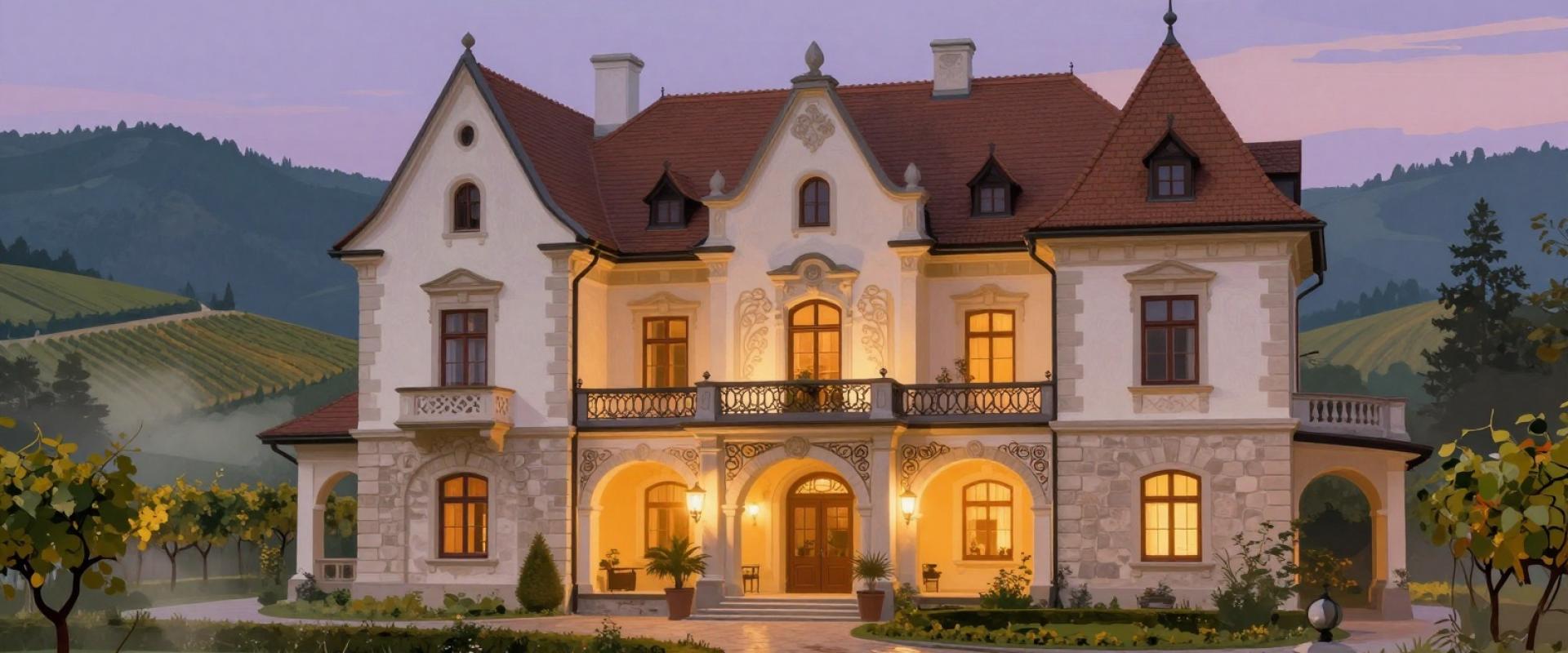
Defining Slovenian Luxury
Slovenian luxury prioritizes discretion over grandeur. Properties integrate seamlessly with the Alps, Coast, and Karst landscapes. Architecture respects natural surroundings rather than dominating them. This approach defines 'quiet luxury' in the region. Sustainability is a core operational standard. Many boutique hotels hold Green Key or EU Ecolabel certifications. These credentials verify rigorous environmental practices. Service shifts from scale to exclusivity. Staff provide personalized attention to each guest. The experience focuses on thoughtful hospitality. Five-star hotels and private villas offer curated stays. Thermal spas and vineyard retreats add unique value. Ljubljana provides an urban-cultural luxury hub. Bled and Bohinj feature alpine elegance. Portorož offers wellness-heritage coastal experiences. Castles and eco-lodges diversify the market. Travelers seek atmosphere and consistency. Excess is replaced by refined comfort. The destination appeals to discerning visitors. Nature remains the central spotlight. Guests are welcomed as respected individuals. This model distinguishes Slovenia from generic European luxury. The focus remains on genuine, sustainable elegance.
Regional Accommodation Profiles
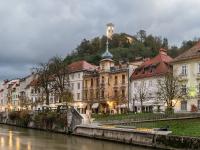
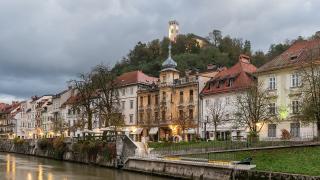
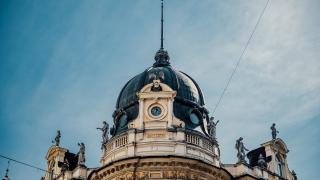
Ljubljana offers urban elegance in restored Art Nouveau buildings. These central hubs provide logistical convenience for business and leisure travelers. Properties blend historical heritage with modern service standards.
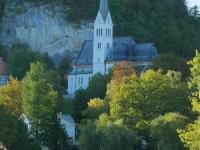
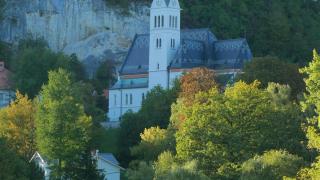
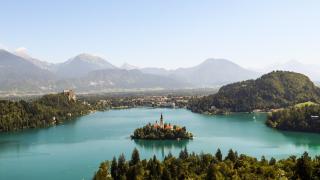
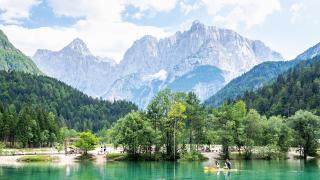
Bled and Bohinj define alpine luxury with direct lake views. Wellness and spa facilities remain the primary focus here. Guests access thermal waters and mountain trails directly from their rooms.
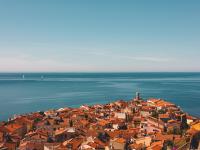
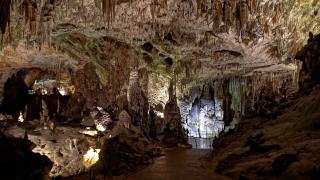
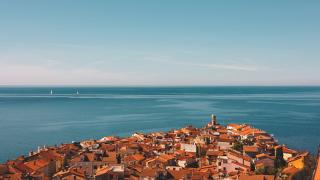
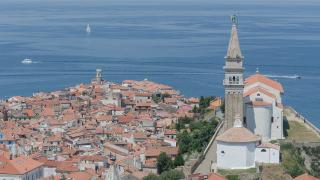
Primorska and Karst regions feature restored estates with rustic charm. Wine tourism integration is standard practice at these boutique locations. Vineyard tours and local tastings occur on-site daily.
Štajerska leverages geothermal resources for extensive thermal spa resorts. These facilities utilize natural hot springs for therapeutic treatments. The region specializes in health-focused luxury stays.
Slovenian boutique hotels prioritize sustainability over excess. Properties emphasize discretion and integration with natural surroundings. Service standards remain consistent across all five distinct regions. Travelers select these accommodations for atmosphere rather than grandeur. The market offers private villas, castles, and eco-luxury options. Each region maintains a unique architectural identity. Ljubljana remains the cultural hub. The coast offers wellness heritage. Alpine areas provide ski resort access. Thermal spas dominate the east. This diversity ensures tailored luxury experiences throughout the country.
Heritage and Architectural Nuances
Slovenian luxury stays often occupy converted castles, manors, and farmhouses. These properties blend historical architecture with modern comfort. Heritage preservation laws strictly limit structural modifications. Consequently, many boutique hotels lack elevator access. Guests must navigate narrow staircases to reach upper floors. Interior design frequently features exposed wooden beams and stone walls. These elements define the authentic Slovenian aesthetic. Parking presents a significant logistical challenge in historic areas. City centers like Ljubljana and Piran have restricted zones. Mountain villages in Bled and Bohinj offer limited space. Many properties do not provide on-site parking. Guests must use public lots or valet services. Accessibility is often compromised by these architectural constraints. Travelers with mobility issues should verify elevator availability. Narrow corridors and steep stairs are common features. The experience prioritizes historical charm over modern convenience. Booking requires careful review of room specifications. Properties emphasize discrete elegance rather than excessive grandeur. This approach aligns with Slovenia’s sustainable luxury standards. Guests accept architectural limitations for authentic heritage immersion.
Dining and Wellness Amenities
Luxury stays prioritize farm-to-table dining with local sourcing. Michelin-starred chefs prepare meals using regional ingredients. Properties integrate Slovenian wine culture into culinary experiences. Guests enjoy curated pairings with local vintages. Comprehensive spa facilities utilize local products and thermal water. Thermal springs define the wellness heritage in regions like Portorož. Many boutique hotels offer extensive spa access. Treatments often feature Karst stone and Alpine herbs. Guests should expect additional costs for spa access. Individual treatments incur separate fees beyond room rates. Wellness programs focus on discretion and natural beauty. Facilities blend modern comfort with traditional practices. Dining menus reflect the seasonality of Slovenian agriculture. Wine selections highlight indigenous grape varieties. Spa hours vary by property and season. Booking treatments in advance is recommended. Premium amenities support the sustainable luxury model. Properties emphasize thoughtful service over excess. Guests experience elegance through natural surroundings. Culinary offerings match the high-end accommodation standards. Wellness facilities provide restorative environments for travelers.
Booking Logistics and Pricing
Slovenian luxury inventory remains limited. Boutique properties offer few rooms. Book six to twelve months ahead for summer coastal stays in Piran. Winter alpine bookings in Bled require similar advance planning. Peak season rates surge significantly during July and August. Alpine ski periods in December and January also command premium pricing. Boutique hotels enforce strict cancellation policies. Non-refundable deposits are standard for these exclusive properties. Travelers must verify specific terms before confirming reservations. Ljubljana Jože Pučnik Airport serves as the primary entry point. Luxury transfers from the airport to alpine regions take approximately two hours. Coastal boutique stays require longer drives from the capital. Remote locations lack frequent public transport options. Private vehicle rental is essential for accessing secluded vineyard retreats. Thermal spa hotels near Terme Čatež offer convenient access from the airport. Urban Ljubljana properties provide walkable access to cultural sites. Booking directly with the property often ensures better service flexibility. Confirm all logistical details during the reservation process. Slovenia’s compact size simplifies regional travel once accommodation is secured.