Spring of the Krupa River
Emerald spring feeding Krupa River, cave mussel habitat
- Where
- Semič, Bela krajina
- Directions
- Directions
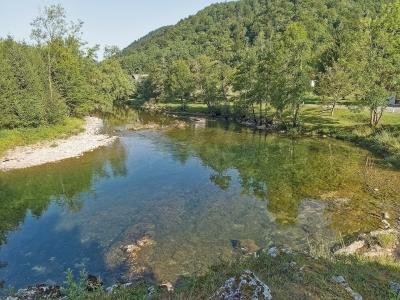
The spring of the Krupa river lies near the small town of Semič, in Bela Krajina, the south-eastern corner of Slovenia, a region of low karst hills, beech woods and gentle valleys. Here, a large volume of water emerges from beneath a steep rock wall, forming a deep green pool that is the beginning of the river. The wall is a limestone cliff that rises tens of metres above the spring, and the water that flows out of it has travelled underground through the karst, so it is cold, clear and constant in temperature through the year. From the pool, the Krupa flows away through meadows and woods, quickly growing into a stream with enough power to once drive mills along its banks.
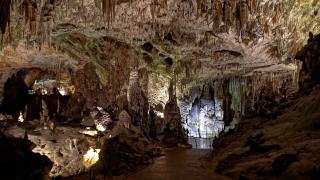
The spring is not only beautiful but also scientifically important. The underground waters of the Dinaric karst hold a specialised community of animals that have adapted to life in darkness, and Krupa is one of the best-known places where some of them can be found. The most famous is the cave mussel, Congeria kusceri, a small bivalve that lives in underground waters and is found only in a few locations in the Dinaric region, making it a rare and fragile species. The spring also supports endemic snails and other tiny animals of the underground, and the human fish, the olm, is known from the region's caves. In the surrounding wetlands live the European pond turtle, and the area attracts a good number of bird species. Because of this, the spring and river are protected, and visitors are asked to stay on the paths and not to disturb the water.
The setting is quiet and best enjoyed slowly. A short path leads from the access point to the water, where benches invite you to sit and look. Early in the morning, mist often rises from the pool, and the light through the trees gives the spring an almost magical look. In summer the shaded pool is cool, and in winter the water is warmer than the air, so steam sometimes rises from the surface. A picnic by the water is a pleasant way to spend an hour.
Visitors who want to learn more about the area can visit the museum house in Semič, which presents the local history and nature. The village is also known for its wine, and the surrounding hills of Bela Krajina offer walking and cycling routes. The spring is open all year and easy to include in a day exploring the region, together with the Kolpa valley.
Categories
More photos coming soon
Nearby Attractions
Closest attractions by distance
Church of the Holy Spirit
15th-century church turned cultural venue in Črnomelj
Churches · Museums
Djud Cave
Karst cave with rich speleological formations
Caves · Geological Sites
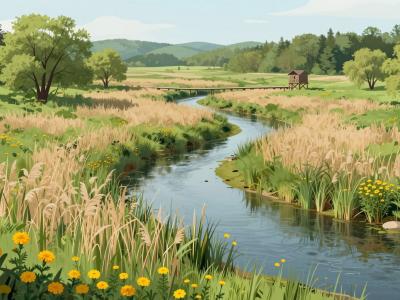
Nerajski and Lahinjski Lug Marshes
Biodiverse karst marshes shaped by Lahinja River
Natural Wonders · Guided Tours
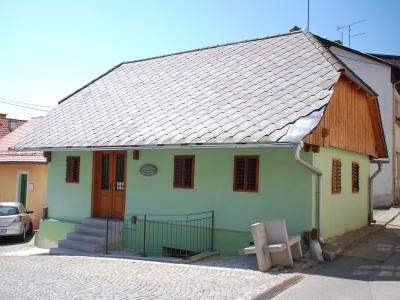
Primožičeva House
Cultural hub showcasing Bela Krajina crafts
Historic Houses · Museums
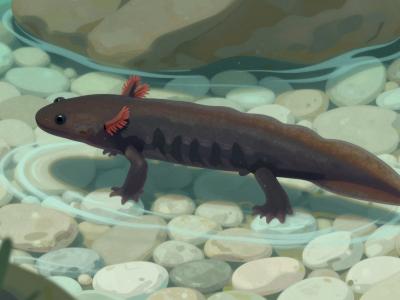
Proteus anguinus parkelj (Crni moceril)
Endemic cave salamander with black body and red gills
History & Heritage · Natural Wonders
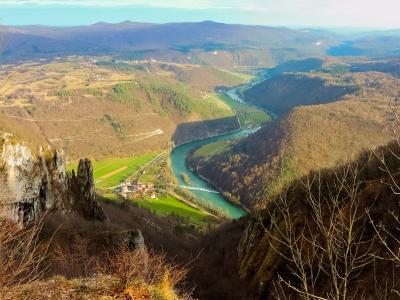
Sodevska Stena Viewpoint
Karst viewpoint over Poljanska Valley and Kolpa River
Natural Wonders · Hiking Trails
Kolpa Landscape Park
Warmest river in Slovenia with diverse wildlife
Activities & Adventure · Coastal & Maritime
Hiša dobrot Bele krajine
Traditional Bela Krajina delicacies and workshops
Cultural Experiences · Food & Gastronomy
Questions people ask
Quick Facts
Best Time to Visit
Mid-June to early September offers warm weather for hiking, wine tasting, and river activities; spring and autumn are mild and scenic.
Book your stay