
Nerajski and Lahinjski Lug Marshes
Biodiverse karst marshes shaped by Lahinja River
- Where
- Črnomelj, Bela krajina
- Directions
- Directions
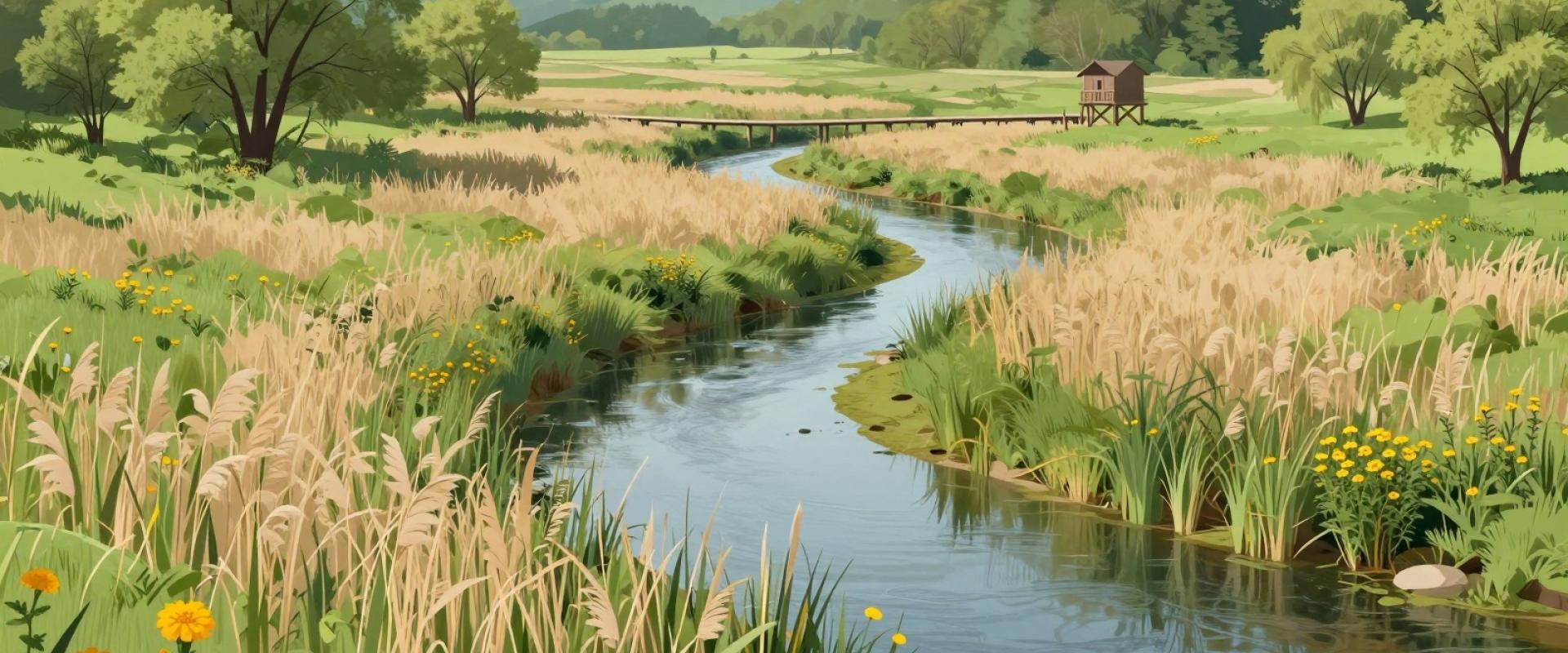
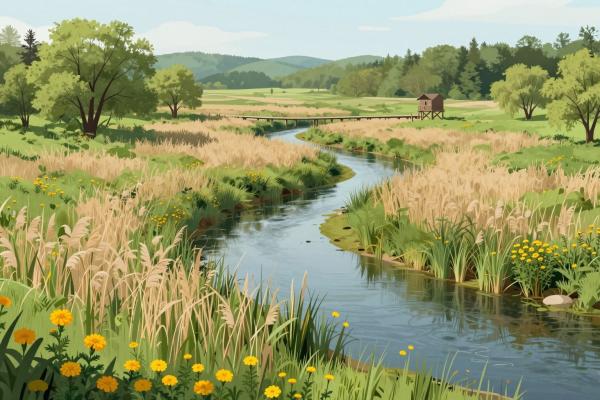
Bela Krajina, the White Carniola, is a region of gentle hills and wide valleys in the south of Slovenia, and the Lahinja is one of its most unusual rivers. It is a karst river, which means that it does not behave like an ordinary stream: parts of its course run on the surface, parts disappear into the limestone, and in wet seasons it spreads over low-lying ground to form marshes and flooded meadows. The Nerajski and Lahinjski Lug Marshes, in the Lahinja Landscape Park near Črnomelj, are the best place to see this. The word lug in Slovene refers to a wet meadow or marshy ground, and the name fits the landscape exactly.
The marshes are a mosaic of habitats packed into a small area. Reed beds stand along the water, wet meadows are cut for hay in the traditional way, patches of willow and alder grow where the ground is soggiest, and on the slightly higher ground the vegetation changes to dry grassland and woodland typical of the karst. This mixture supports a wide variety of life. Amphibians and insects thrive in the shallow water, dragonflies and butterflies are numerous in summer, and wetland birds use the reeds and meadows for nesting and feeding or as a stop on migration. The plant life includes species that have become rare elsewhere in Slovenia because their wet habitat has been drained or built over, and botanists value the site for this reason. Spring and early summer are the best times, when the meadows are in flower and the birds are most active.
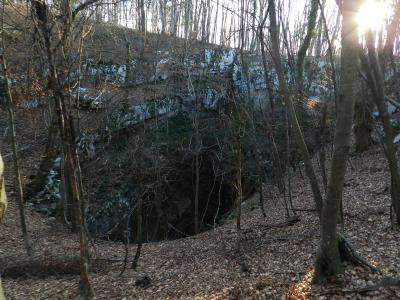
The geology is also on display. Because the area is karst, the ground is full of sinkholes and small caves, and the water level of the marsh rises and falls as underground channels fill and empty. Archaeologists have found traces suggesting that people have used this landscape for a very long time, which is not surprising in a place with water, fish, game and fertile meadows. Information boards and marked paths help visitors understand what they are looking at, and the walking is easy, though paths can be wet or flooded after heavy rain, so waterproof footwear is wise.
Keep to the paths, keep dogs on leads and avoid disturbing nesting birds. Binoculars and a field guide add a lot to a visit, and insect repellent is useful in summer.
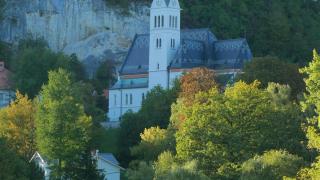
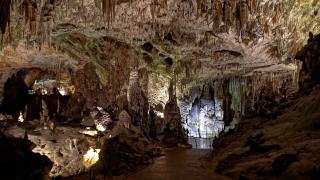
The marshes sit alongside several other attractions around Črnomelj. The Church of the Holy Spirit, the Primožičeva House, the Djud Cave and the Sodevska Stena Viewpoint are all within reach, the Proteus anguinus parkelj, the black olm known locally as Crni moceril, lives in underground waters of the region, and the Local Breweries entry describes the town's drinking culture.
It suits naturalists, birdwatchers and families who enjoy a quiet outing. The Lahinja River gives Bela Krajina’s karst country one of its quietest corners. Whether you stay an hour or a morning, the marshes reward patience.
Categories
More photos coming soon
Nearby Attractions
Other places to visit in Črnomelj
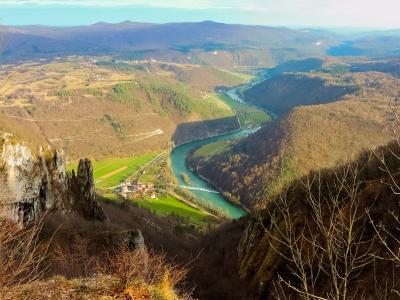
Sodevska Stena Viewpoint
Karst viewpoint over Poljanska Valley and Kolpa River
Natural Wonders · Hiking Trails
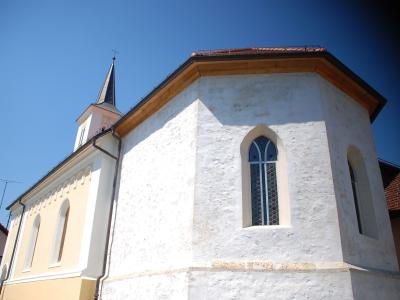
Church of the Holy Spirit
15th-century church turned cultural venue in Črnomelj
Churches · Museums
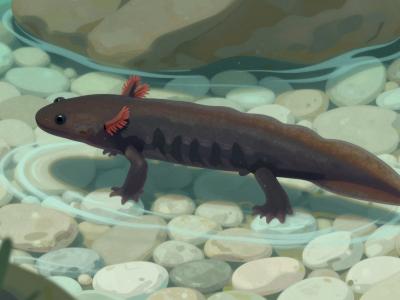
Proteus anguinus parkelj (Crni moceril)
Endemic cave salamander with black body and red gills
History & Heritage · Natural Wonders
Djud Cave
Karst cave with rich speleological formations
Caves · Geological Sites
Questions people ask
Quick Facts
Best Time to Visit
May to September offers warm, pleasant weather for outdoor activities, river adventures, and festivals; spring and early autumn are quieter and mild.
Book your stay