
- Where
- Ptuj, Štajerska
- Directions
- Directions
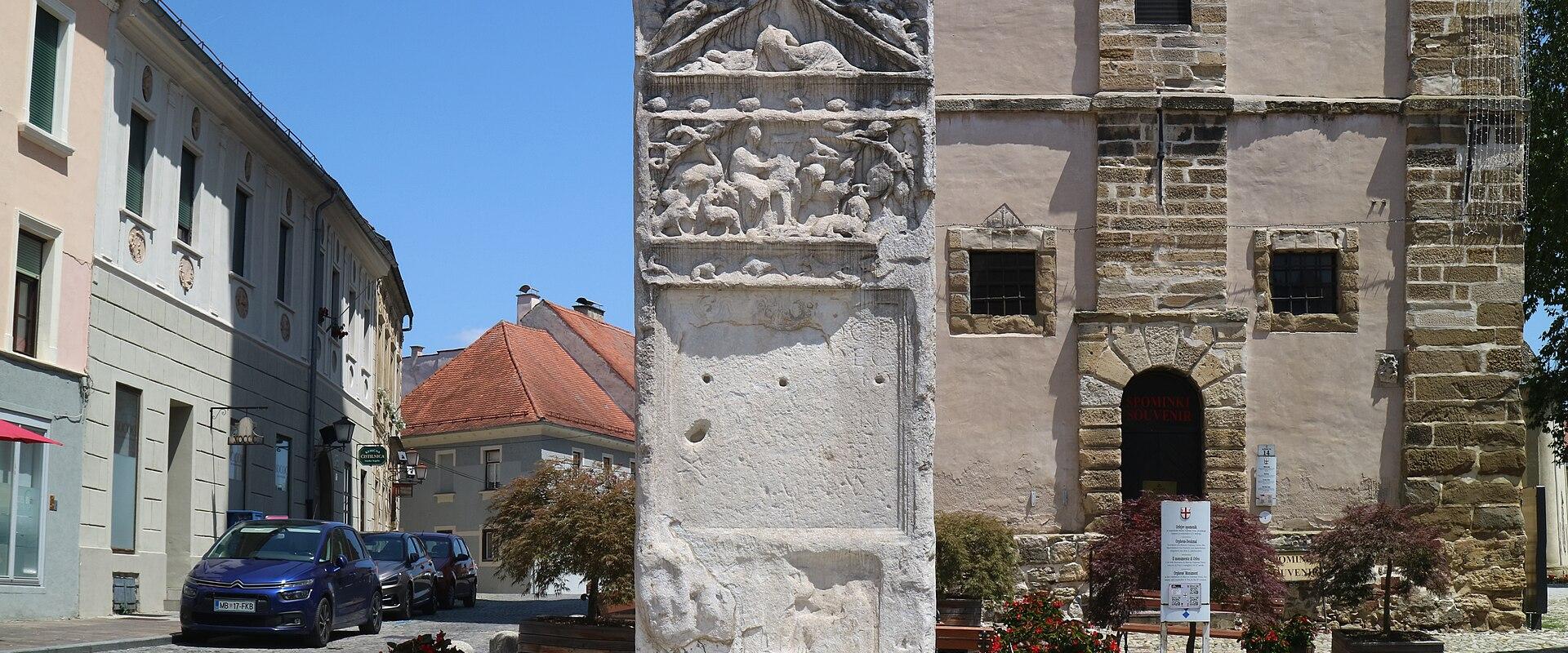
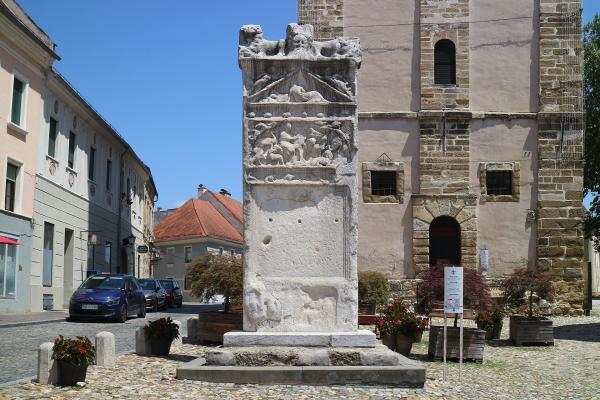
The Orpheus Monument, in Slovene Orfejev spomenik, is the best known Roman monument in Ptuj and stands on Slovenski trg, the main square of the old town. It is a tall tombstone of local stone, carved in the second century AD, when Ptuj was the Roman town of Poetovio in the province of Upper Pannonia, an important garrison and trading town on the Drava with a large population and many fine monuments. The tombstone was made for a prominent citizen of Poetovio, a man of high rank in the town administration, whose name and offices were recorded in the inscription. Rich Romans commemorated themselves with monuments like this, placed along the roads leading out of town, and the Orpheus Monument is one of the best surviving examples in the region.
The name comes from the main relief, which shows scenes from the myth of Orpheus, the legendary musician of Greek mythology. Orpheus was said to play the lyre so beautifully that animals and trees gathered to listen, and rocks and rivers changed their course. In the best known story, he descended into the underworld to bring back his dead wife, and the sad end of that story made him a popular figure on Roman tombs, where the myth spoke of grief, love and the hope of life beyond death. The carving shows how the Roman citizens of Poetovio borrowed Greek stories and adapted them to their own ideas about the afterlife, and the quality of the stonework suggests skilled local workshops.
The monument had a long and unusual afterlife. In the Middle Ages it was moved into the town and served as a pillory, a post to which wrongdoers were chained for public punishment. The shackles and the wear caused by that use left marks on the stone, and damage to the inscription is a reminder of the monument's later role. It is an unusual case of an ancient grave marker becoming an instrument of justice, and it shows how the Romans' monuments stayed part of the town long after the empire ended. Today it is a focal point of an outdoor display of Roman stones, one of the oldest collections of such monuments in the country, and other ancient pieces are built into walls around the square.
The monument can be seen at any time and there is no charge. Combine it with a visit to Ptuj Castle, the Minorite Monastery and the Mithraeum I and III, which together tell the Roman story of the town. Mihelič is a name you may meet around Ptuj in connection with local art.
It suits history lovers, families and photographers. A few minutes is enough for the monument, but allow time to enjoy the square. There is much to see in Ptuj’s old centre. The monument is a highlight of Slovenia’s Roman heritage, and few Roman relics in Slovenia are so well placed, and Slovene Square is a pleasant place to sit. The Museum of the open-air stones continues around the square.
Categories
More photos coming soon
Nearby Attractions
Other places to visit in Ptuj
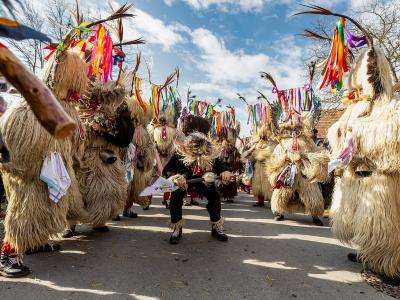
Kurentovanje carnival
UNESCO carnival with Kurenti masks in Ptuj
Festivals · Historic Towns
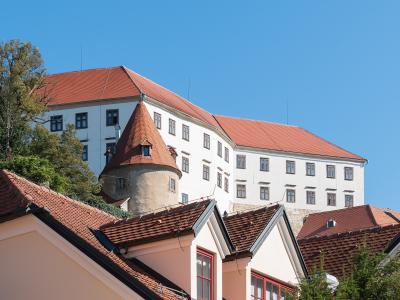
Ptuj Castle
Medieval castle with ancient roots and rich collections
Cultural Experiences
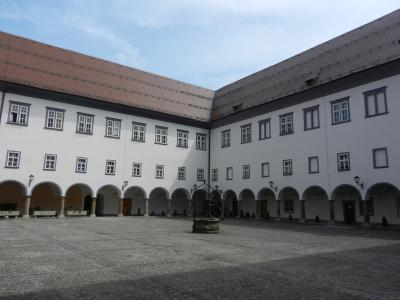
Minorite Monastery
13th-century monastery with rare manuscripts
Cultural Experiences · History & Heritage
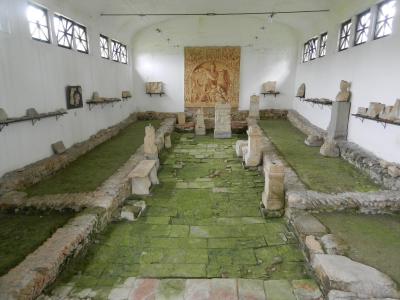
Mithraeum I and III
Ancient Roman Mithras shrines with rare tauroctony statues
Cultural Experiences · History & Heritage
Questions people ask
Quick Facts
Best Time to Visit
Mid-June to mid-September offers warm, sunny weather ideal for sightseeing and festivals; spring and autumn are pleasant with fewer crowds.
Book your stay