- Where
- Ptuj, Štajerska
- Directions
- Directions
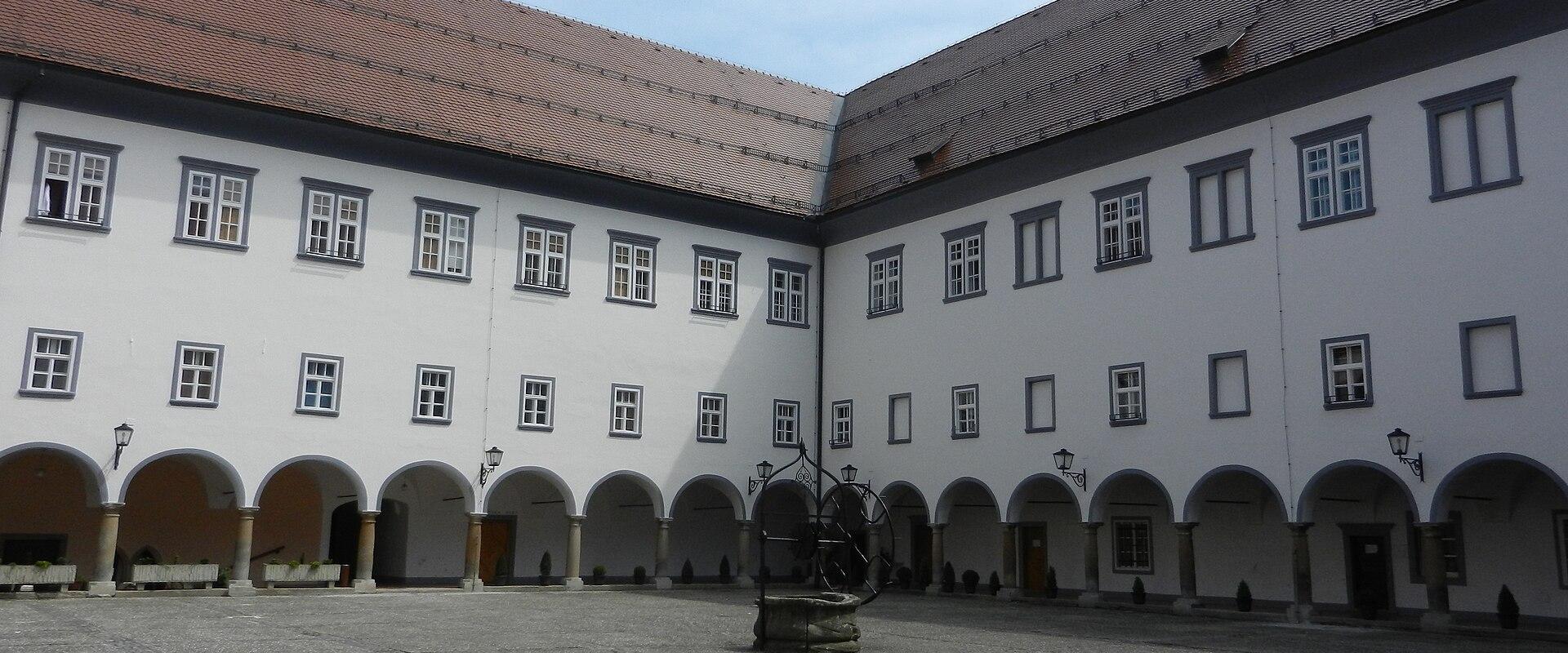
The Minorite Monastery of Ptuj is one of the oldest religious foundations in the town, a Franciscan house that goes back to the thirteenth century and has been part of the life of Ptuj ever since. The Minorites, or Conventual Franciscans, settled here in the Middle Ages when Ptuj was an important trading town on the Drava, and the complex of church, cloister and gardens gradually grew along the edge of the old centre. It sits at the foot of the castle hill and is easy to combine with a walk through the old streets.
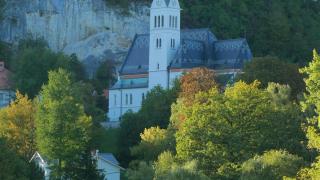
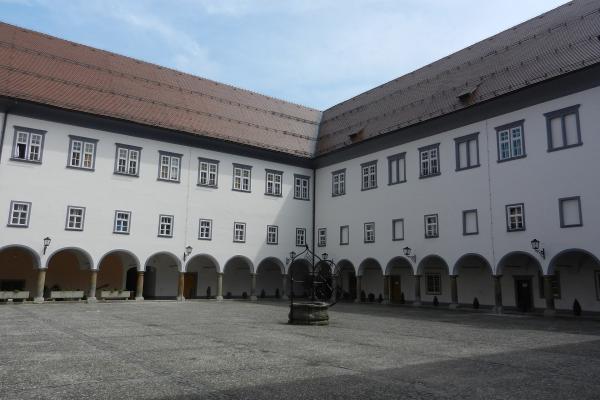
The building is a layered one. The church, dedicated to Saints Peter and Paul, has early Gothic elements dating from the first phase of construction, and over the following centuries the monastery was extended and remodelled. A Baroque facade was added to the front, and the interior of the complex was altered in the same period. Parts of the structure were damaged in the twentieth century and carefully restored afterwards, which is why you see a mixture of medieval masonry and later decoration. A cloister with arcades surrounds a courtyard, which today is used for summer events and concerts, and the shaded arcades make a calm place to rest after the busy main square.
Inside, the monastery has interiors worth seeing when access allows. The rooms include a historic library built up by the friars over generations, and decorated spaces such as the summer refectory, which has stucco ornament and painted ceilings. Libraries like this were the memory of a monastic community, holding books on theology, history and science, and they are among the quietest places in town. As the monastery is a working religious house, access to some areas is limited, and visits are arranged in advance, so ask at the Tourist Information Center in Ptuj about how to see the interior.
The monastery is closely tied to the rest of Ptuj's heritage. Ptuj Castle is a short walk uphill, and the Mithraeum I and III and the Orpheus Monument speak to the Roman past of the town, then called Poetovio. Together they give a picture of two thousand years of continuous settlement. Mihelič is another name you may see around town in connection with local art.
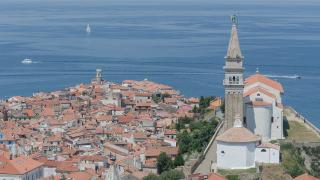
The monastery suits history lovers, architecture fans and people who like quiet, contemplative spaces. Dress modestly, keep your voice down and respect any services in progress. A visit combines well with a walk along the river and a glass of Ptuj wine in the old town. Located close to the castle hill, the monastery is one of the sights that make Slovenia’s oldest town so rewarding, and a fine stop for anyone exploring Slovenia on foot. The Church of Sts Peter and Paul suffered damage in World War II and was restored afterwards, and Ptuj’s Tourist Information Center can advise on visits.
Categories
More photos coming soon
Nearby Attractions
Other places to visit in Ptuj
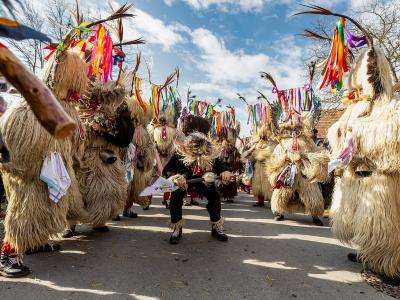
Kurentovanje carnival
UNESCO carnival with Kurenti masks in Ptuj
Festivals · Historic Towns
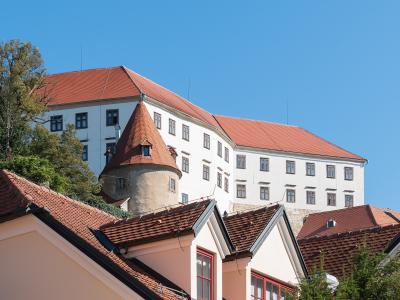
Ptuj Castle
Medieval castle with ancient roots and rich collections
Cultural Experiences
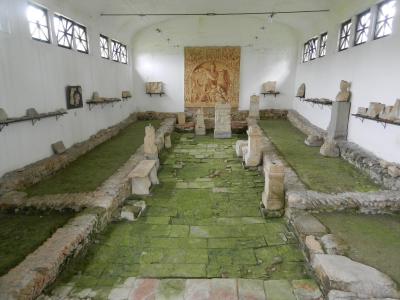
Mithraeum I and III
Ancient Roman Mithras shrines with rare tauroctony statues
Cultural Experiences · History & Heritage
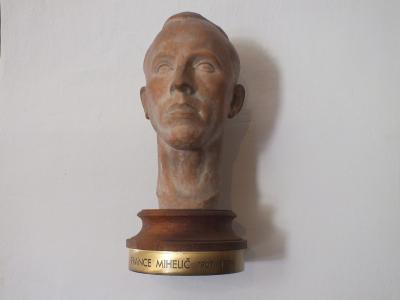
Mihelič
Themed exhibition halls in Ptuj's Mihelič Gallery
Cultural Experiences · History & Heritage
Questions people ask
Quick Facts
Best Time to Visit
Mid-June to mid-September offers warm, sunny weather ideal for sightseeing and festivals; spring and autumn are pleasant with fewer crowds.
Book your stay