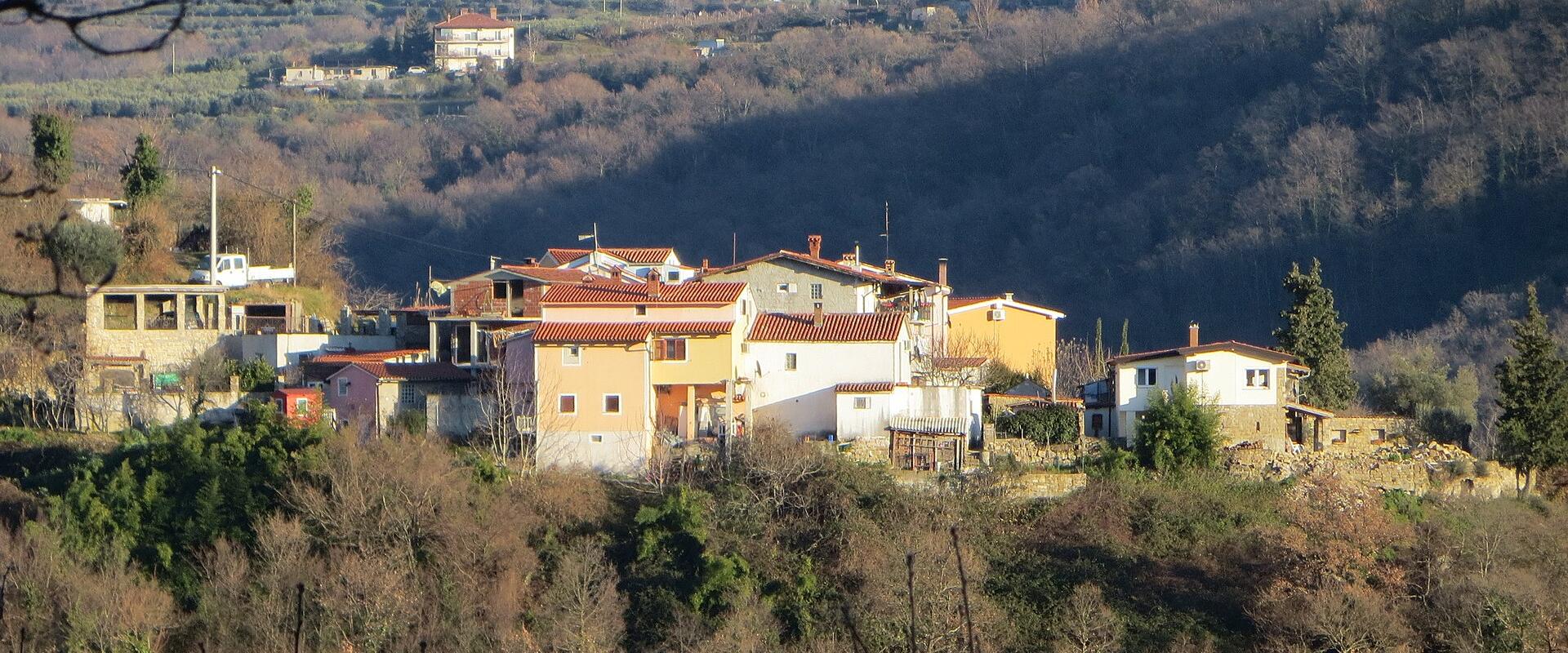
Dragonja lies in the Dragonja River Valley, a part of Slovenian Istria that mixes Mediterranean charm, unspoilt nature and rural calm. The village takes its name from the Dragonja River, a waterway about 30 kilometres long that forms part of the border between Slovenia and Croatia. The river’s winding course has shaped a fertile valley, long valued for farming and now known for its scenic beauty and biodiversity. The Dragonja Valley is among the most striking natural sights in the region, with a mosaic of olive groves, vineyards, orchards and wildflower meadows.
The history of Dragonja is closely tied to rural life and cross-border trade. For centuries the valley served as a corridor between the Adriatic coast and the inland Balkans, with local communities growing olives, grapes and vegetables in the Mediterranean climate. Today Dragonja keeps its farming roots, with family farms and smallholdings across the landscape. The village is quiet and welcoming, with traditional stone houses, calm lanes and a laid-back mood that invites rest.
The main attraction is the Dragonja River and its valley. The river is known for its clear, cool water, which is good for swimming in the hot summer months. Walking and hiking trails follow the river, leading through shady woods, across simple bridges and past natural pools and waterfalls. At the confluence of the Dragonja and the Rokava, flysch layers, pools and small waterfalls form a landscape that interests geology lovers and photographers. The historical remnants of Mazurinov Mill, an old mill beside the river, give a glimpse of the rural heritage of the valley, when water power ground the grain of local farms. Tonina House, in the Dragonja Valley, is a preserved example of traditional Istrian architecture and a reminder of how people once lived here. The valley is a haven for birdwatchers and nature lovers, with abundant wildlife and many plant species, and guided hikes and eco-tours are available for those who want to learn more about the area’s ecology and history.
Outdoor activities abound in Dragonja. Besides hiking and swimming, the valley is good for cycling, with scenic routes connecting the village to coastal towns and hilltop villages, and walking paths from nearby villages make easy loops. The Mediterranean climate brings mild winters and warm, sunny summers, so the valley can be enjoyed in most seasons. Local farms and agritourism providers, among them Gold Istra, offer tastings of olive oil, wine and homemade food, and wineries such as Korenika & Moškon welcome visitors, a good introduction to Istrian cooking.
Dragonja’s position makes it a good base for exploring the wider Istrian region. The historic towns of Piran, Koper and Portorož are a short drive away, with many cultural sights, seaside promenades and lively markets. Day trips to the Croatian part of Istria are easy, with the border only minutes from the village. For rest, the nearby Adriatic beaches and thermal spas offer plenty of choice.
Getting to Dragonja is straightforward by car, with well-kept roads connecting the village to Koper, Piran and the Slovenian motorway network. Public transport options are available but limited, so a car or bicycle is recommended for flexibility. Accommodation ranges from rural guesthouses and farm stays to boutique hotels in nearby coastal towns.
The best time to visit is late spring to early autumn, when the weather is warm and the valley is at its most vibrant. May, June and September offer pleasant temperatures and fewer crowds, while summer brings lively festivals, outdoor events and the full beauty of the Mediterranean landscape. Autumn is also rewarding, with grape and olive harvests and colourful foliage. Whatever the season, Dragonja’s mix of natural beauty, rural hospitality and easy access to the coast makes for a restful visit, and it is a good contrast to the busier seaside towns nearby.
Best time to visit
May to September offers warm, sunny weather, blooming landscapes, and ideal conditions for hiking, swimming, and exploring Dragonja’s river valley and surroundings.
What to see in Dragonja
Our picks first.
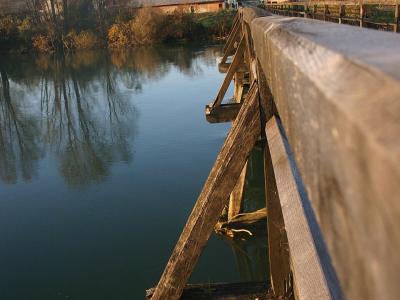
Dragonja River
Border river flowing through Slovenia's Mediterranean valley
Natural Wonders · Cycling Routes
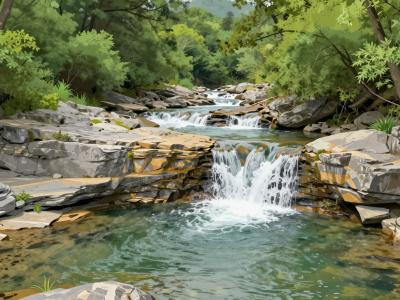
Flysch layers, pools, and waterfalls (at confluence with Rokava River)
Flysch rock layers with pools and waterfalls at Rokava Ri...
Natural Wonders · Hiking Trails
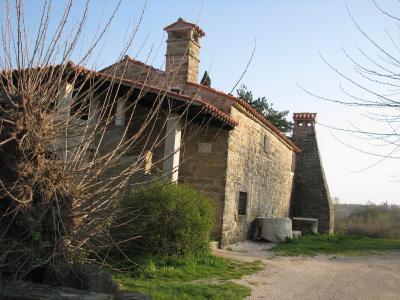
Tonina House
Traditional Istrian stone house by Dragonja River
Guided Tours · Hills & Valleys
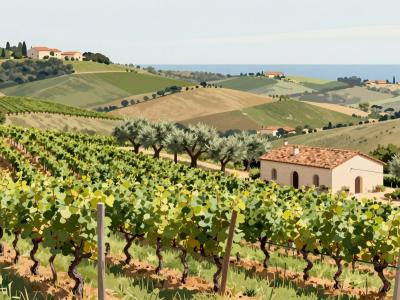
Korenika & Moskon Winery
Biodynamic winery in Slovenian Istria vineyards
Cultural Experiences · Food & Gastronomy
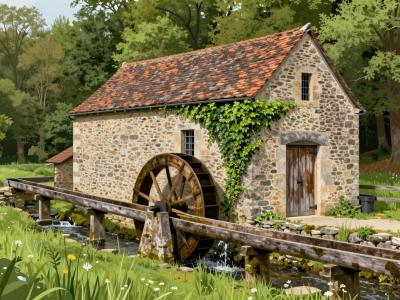
Historical remnants of Mazurinov Mill
Ruins of 19th-century Mazurinov Mill by Dragonja River
History & Heritage · Hiking Trails
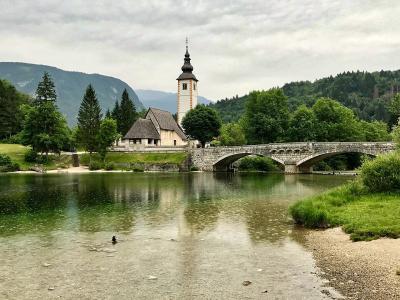
Walking paths from nearby villages
Scenic trails through Dragonja’s river valley
Hiking Trails · Hills & Valleys
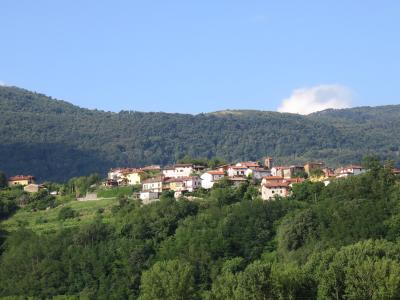
Gold Istra
Truffle-rich terroir by Dragonja River coast
Cultural Experiences · Food & Gastronomy
Dragonja by interest
The same sights, grouped by what you came for.
Did you know?
Checked facts about Dragonja, each with its source.
-
Legend
Dragonja Is Shaped by a River
Dragonja is a tranquil village in Slovenia’s Piran-Istrian Coast region, nestled in the lush valley of the Dragonja River near the border with Croatia.
Source: Dragonja - Wikipedia -
Legend
Dragonja Is Shaped by a River
The Dragonja River, one of the most scenic natural sights in Slovenian Istria, meanders through the valley, providing opportunities for swimming, hiking, and wildlife observation.
Source: Cultural and natural sights | revitas.org
Planning a visit to Dragonja
Itineraries that include Dragonja
Good to know
- Currency
- EUR
- Language
- Slovene
Quick Facts
Book your stay

Questions people ask
More places in Piran & Istrian Coast
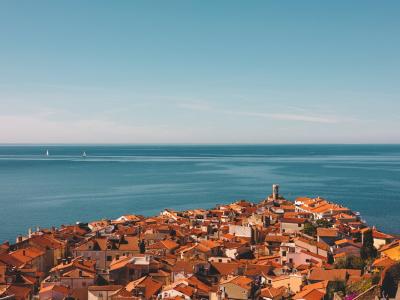
Piran & Istrian Coast
Piran
Venetian coastal town with medieval walls and seafood
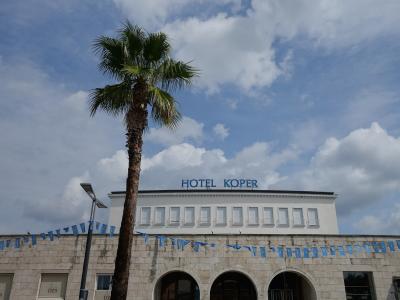
Piran & Istrian Coast
Koper
Venetian old town, Adriatic port, and seaside promenades
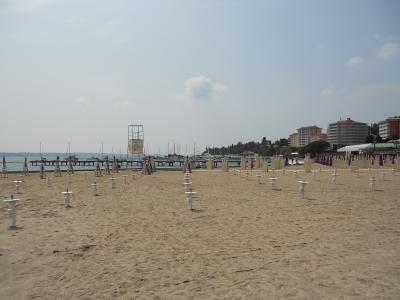
Piran & Istrian Coast
Portorož
Seaside resort with beaches, spas, and vibrant nightlife
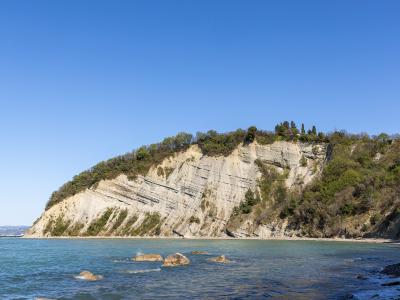
Piran & Istrian Coast
Slovenian Istria
Mediterranean coastline, historic towns, and vineyards