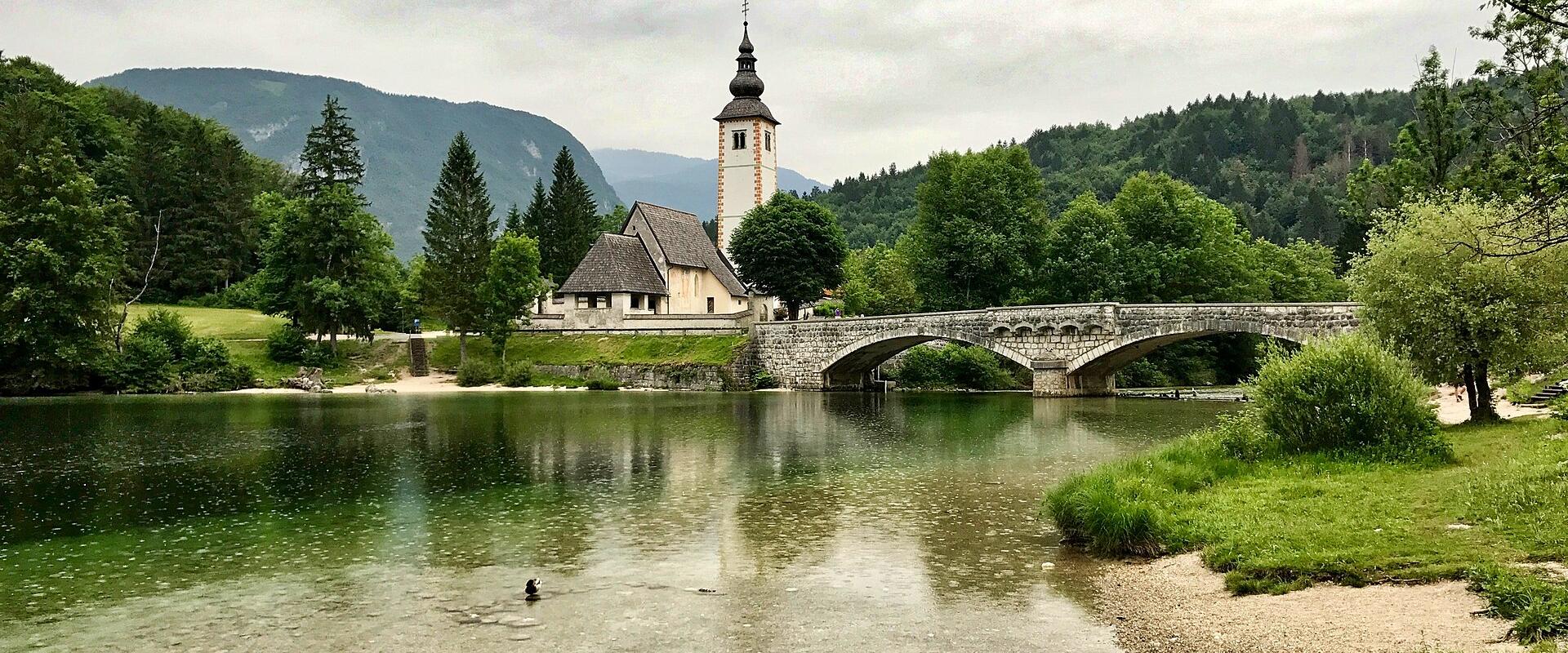
Walking paths from nearby villages
Scenic trails through Dragonja’s river valley
- Where
- Dragonja, Piran & Istrian Coast
- Directions
- Directions
The Dragonja is a small river in the south-west of Slovenia, flowing through a green valley in Slovenian Istria and reaching the sea near the Sečovlje salt pans. It rises in the hills of the interior and winds through a landscape of wooded slopes, olive groves, vineyards and small hamlets, and for part of its course it forms the border with Croatia. The valley is one of the quietest and least built-up corners of the Slovene coast, and its character is rural and traditional, with stone houses on the hillsides and terraced fields. It is a fine area for walking, and a network of paths links the villages along the valley.
The villages involved include Dragonja itself, Korte and Sv. Peter, each with its own character, and paths run between them along the contours of the hills and down to the river. Some are old tracks used for generations by farmers going to their fields or villagers visiting neighbours, while others follow the course of the Parenzana, the narrow-gauge railway that once linked Trieste with Poreč and is now a cycling and walking route. The terrain is gentle, with some climbs and descents, and most paths are suitable for casual walkers of average fitness, though sturdy shoes are advisable because the ground can be stony or slippery.
What makes the walks rewarding is the variety of the landscape. In the upper parts, the path passes through oak and hornbeam woods, with the smell of wild herbs in summer, and in the lower parts, it follows the river, where willows and poplars shade the banks and the water forms small pools. The rock of the area is flysch, layers of sandstone and marl, which the stream has cut into steps and small waterfalls in places, creating pretty spots to rest. In spring, wildflowers cover the meadows, in autumn, the vineyards turn gold and red and the olive harvest begins, and the clear air allows views toward the sea and the hills of Istria.
The paths pass by farms and producers who welcome visitors. Tonina House shows traditional architecture, the Historical remnants of Mazurinov Mill recall the use of the river for power, and Korenika and Moskon Winery produces wine in the valley. Gold Istra is associated with olive oil. Walkers can stop at village taverns for local food such as homemade pasta, cured ham and Istrian wine. Guided walks are available for those who want to learn more, and the best seasons are spring and autumn, since summer can be very hot and shade limited. Carry water and a map.
Categories
More photos coming soon
Nearby Attractions
Other places to visit in Dragonja
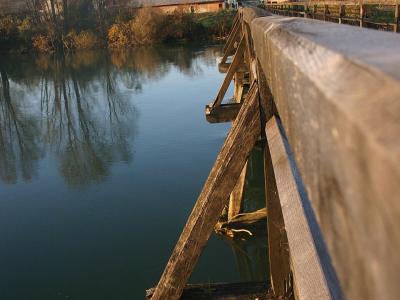
Dragonja River
Border river flowing through Slovenia's Mediterranean valley
Natural Wonders · Cycling Routes
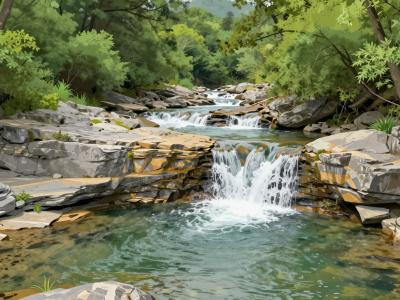
Flysch layers, pools, and waterfalls (at confluence with Rokava River)
Flysch rock layers with pools and waterfalls at Rokava Ri...
Natural Wonders · Hiking Trails
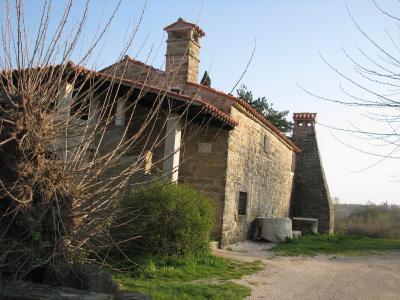
Tonina House
Traditional Istrian stone house by Dragonja River
Guided Tours · Hills & Valleys
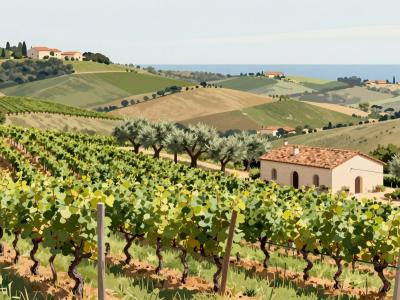
Korenika & Moskon Winery
Biodynamic winery in Slovenian Istria vineyards
Cultural Experiences · Food & Gastronomy
Questions people ask
Quick Facts
Best Time to Visit
May to September offers warm, sunny weather, blooming landscapes, and ideal conditions for hiking, swimming, and exploring Dragonja’s river valley and surroundings.
Book your stay