
Historical remnants of Mazurinov Mill
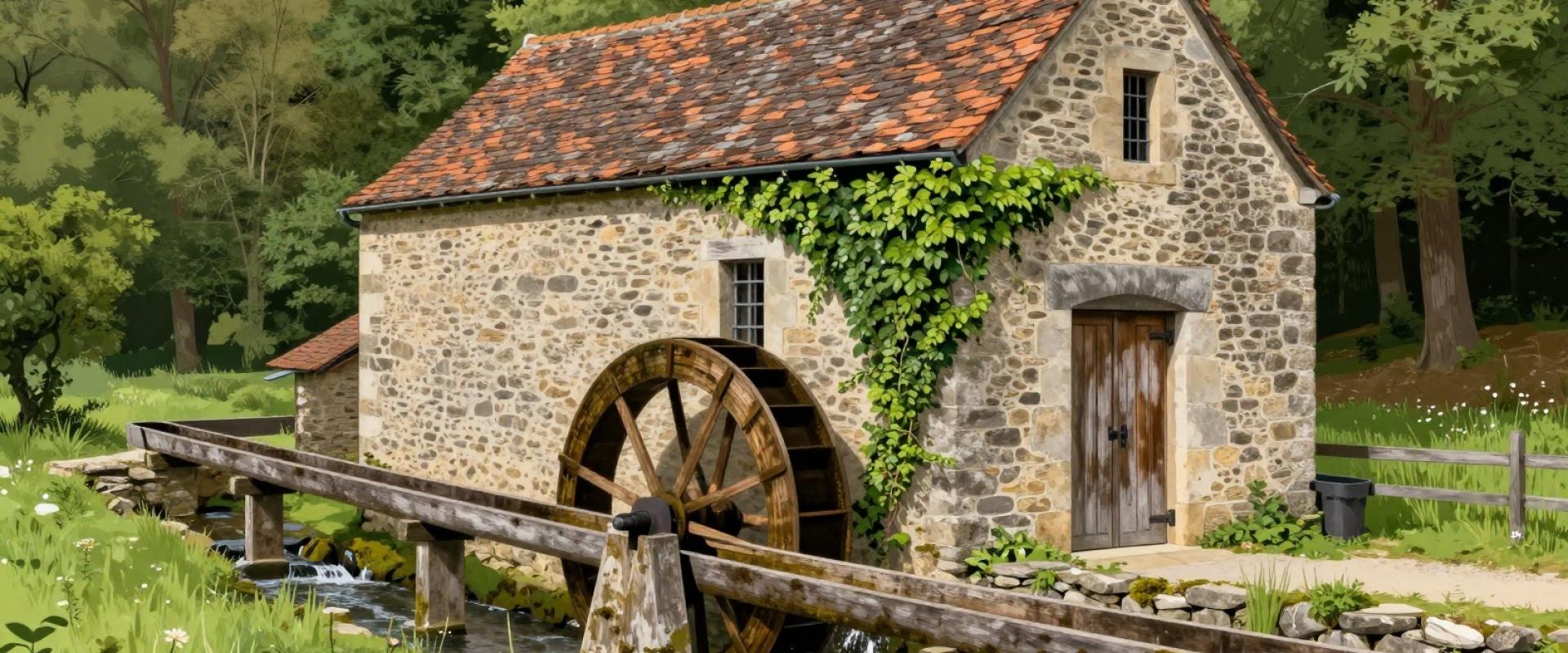
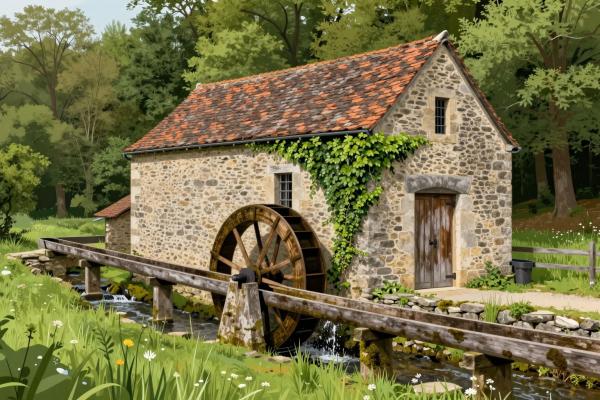
Ruins of 19th-century Mazurinov Mill by Dragonja River
- Where
- Dragonja, Piran & Istrian Coast
- Directions
- Directions
The valley of the Dragonja is among the quietest corners of Slovenian Istria, a green strip of flysch hills, woods and terraced fields that lies a few kilometres inland from the coastal resorts. The Dragonja river rises in the hills and flows toward the Bay of Piran, forming the border with Croatia for part of its course, and in its lower valley it passes a landscape of olive groves, vineyards, small villages and old farms. The valley has remained little developed, and it is popular for walking, cycling and quiet days outdoors. The remains of the Mazurin mill are among the traces of the older life of the valley.
Water mills were once a common feature along rivers and streams in Istria. Villagers brought their grain to the mill, where the flow of the river turned a wheel that drove the millstones, and the miller kept a share as payment. Mills stood at intervals along the river, often below a small weir that fed a mill race, a channel that carried water to the wheel, and the building usually combined the milling room with the miller's house. When engine-driven mills and then supermarkets replaced the village mill in the twentieth century, most of these buildings were abandoned and slowly fell into ruin, and today they survive as walls, foundations and a few fragments of the mill race. Reliable details about the Mazurin mill's builders and dates are scarce, so the site is best approached as a place of atmosphere and a link with the valley's farming past.
The ruins are best reached on foot or by bicycle along the paths of the valley. Moss covers the stones and wildflowers grow among them, and the sound of running water gives the spot a sense of calm. It is a good place to rest or have a picnic, and the surrounding banks of the Dragonja offer pools, small cascades and, near the confluence with the Rokava river, layers of flysch rock that have been exposed by erosion. Take care near the water and around old walls, which may be unstable.
Other points of interest in the valley include local wineries, such as Korenika and Moskon, producers of olive oil and the traditional houses of the villages. Paths lead from nearby villages, and the area links with the salt pans of Sečovlje and the coast.
The site suits walkers, cyclists and those interested in rural heritage who enjoy quiet places. Wear sturdy shoes, bring water, and respect private land along the route.
Categories
More photos coming soon
Nearby Attractions
Other places to visit in Dragonja
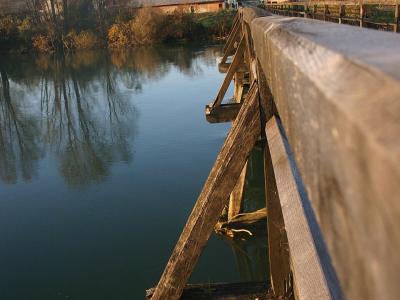
Dragonja River
Border river flowing through Slovenia's Mediterranean valley
Natural Wonders · Cycling Routes
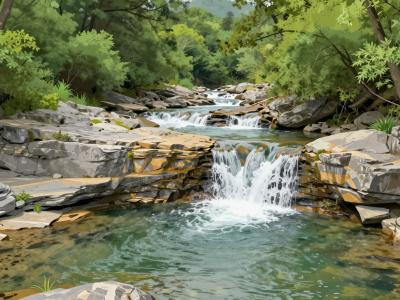
Flysch layers, pools, and waterfalls (at confluence with Rokava River)
Flysch rock layers with pools and waterfalls at Rokava Ri...
Natural Wonders · Hiking Trails
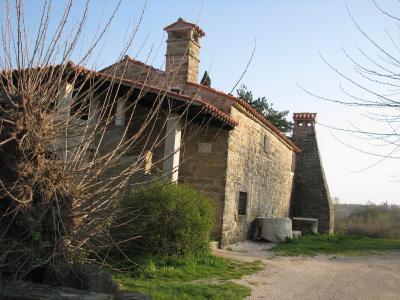
Tonina House
Traditional Istrian stone house by Dragonja River
Guided Tours · Hills & Valleys
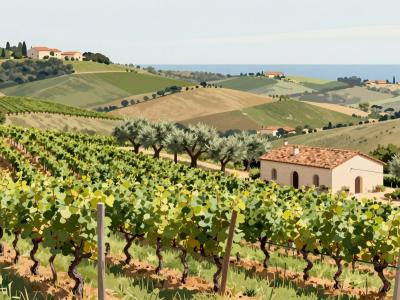
Korenika & Moskon Winery
Biodynamic winery in Slovenian Istria vineyards
Cultural Experiences · Food & Gastronomy
Questions people ask
Quick Facts
Best Time to Visit
May to September offers warm, sunny weather, blooming landscapes, and ideal conditions for hiking, swimming, and exploring Dragonja’s river valley and surroundings.
Book your stay