
- Where
- Dragonja, Piran & Istrian Coast
- Directions
- Directions
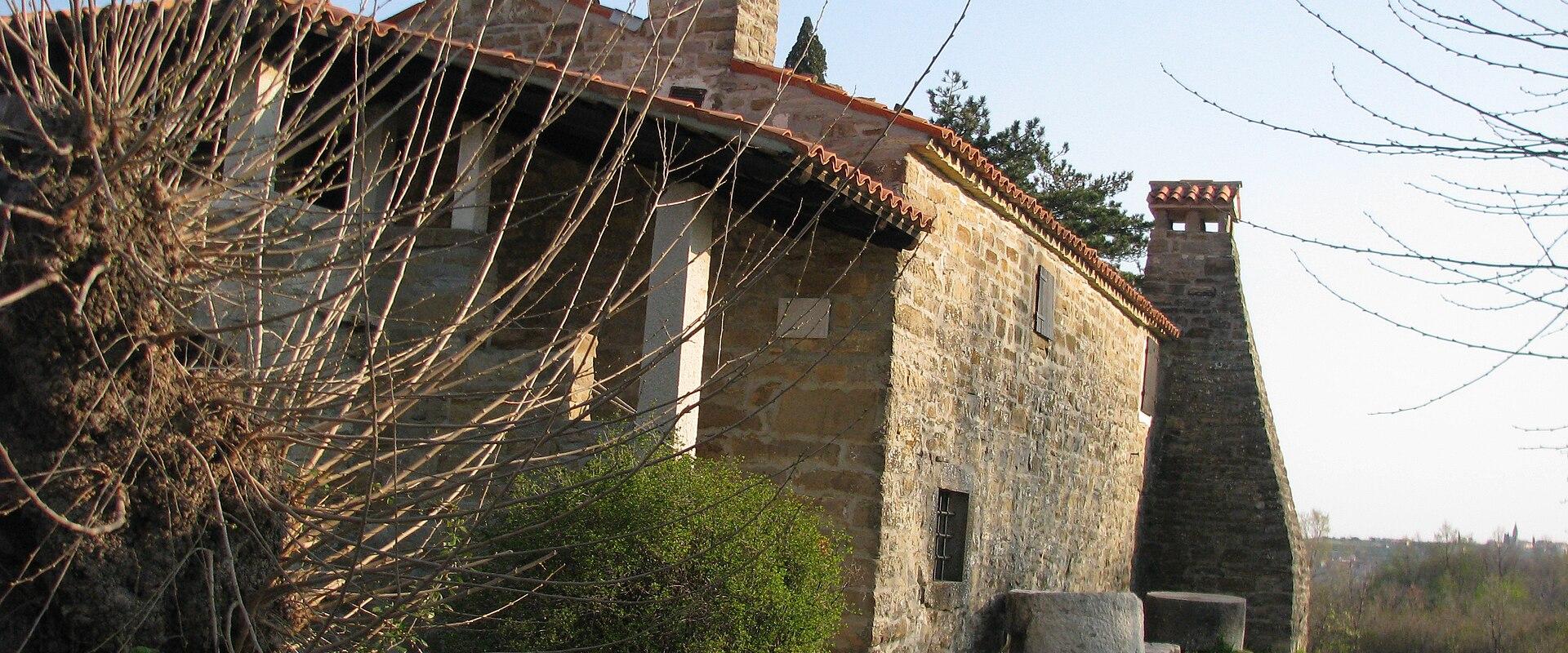
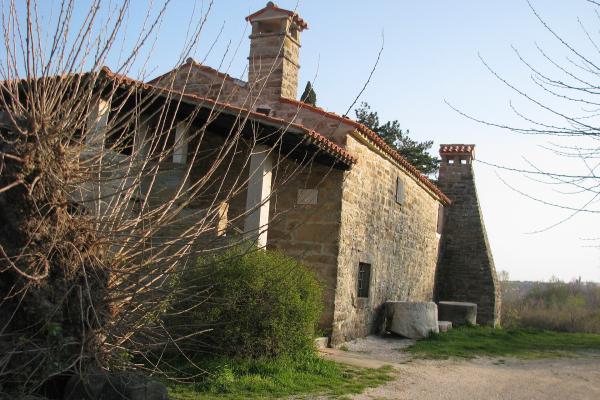
Tonina House stands in the Dragonja Valley, in Slovenian Istria, a quiet valley of olive groves, vineyards and small hamlets that runs inland from the coast near Piran toward the Croatian border. The Dragonja river, which gives the valley its name, forms part of the border between Slovenia and Croatia, and its calm, green course is lined with willows and poplars. The valley is among the most rural corners of the Slovene coast, a world away from the busy beaches and harbours, and Tonina House offers a way into its everyday life.
The house is an example of the traditional building style of Istria, in which stone is the main material. Walls of local limestone and sandstone, laid in thick courses and often left unplastered, support a roof of curved red tiles, and small windows keep the interior cool in summer. Typical details include an external stone staircase leading to the upper floor, a large fireplace used for cooking and heating, and a cistern or well to collect rainwater, since the hillsides have little surface water. Cellars and storerooms are on the ground floor, with the living quarters above, an arrangement that was common among farming families for generations.
Visitors to the house can get a sense of how people lived and worked in the valley. Rooms are furnished with traditional pieces, and household items and tools illustrate the seasonal cycle of farm work, with the olive harvest, the grape picking, the making of wine and the preparation of food. The house is also used for cultural events and tastings, where local olive oil, wine and bread are offered, and the surroundings invite walking and picnics, with views of the valley and, on clear days, the sea. The soft light of the late afternoon is especially attractive.
The valley has other places worth exploring. Walking paths run from nearby villages along the river, where flysch layers of sandstone and marl form small pools and waterfalls, and the historical remnants of Mazurinov Mill recall the time when the river drove mills. Korenika and Moskon Winery produces wine in the valley, and Gold Istra is a local brand associated with Istrian olive oil. The valley is quiet and best visited in spring, when the countryside is green, or in autumn, when the vines turn colour and the olive harvest begins. Contact the organisers beforehand for access and tastings.
Categories
More photos coming soon
Nearby Attractions
Other places to visit in Dragonja
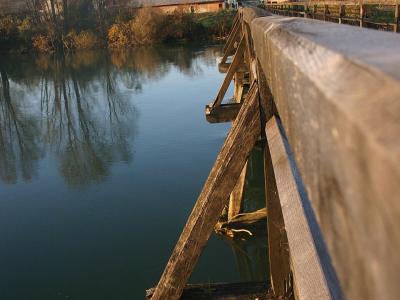
Dragonja River
Border river flowing through Slovenia's Mediterranean valley
Natural Wonders · Cycling Routes
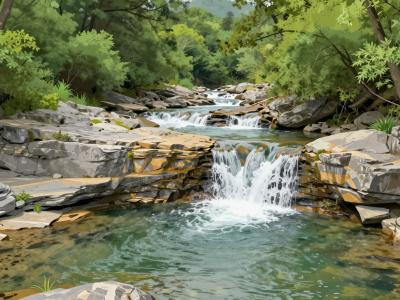
Flysch layers, pools, and waterfalls (at confluence with Rokava River)
Flysch rock layers with pools and waterfalls at Rokava Ri...
Natural Wonders · Hiking Trails
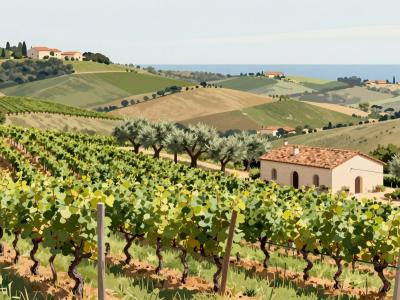
Korenika & Moskon Winery
Biodynamic winery in Slovenian Istria vineyards
Cultural Experiences · Food & Gastronomy
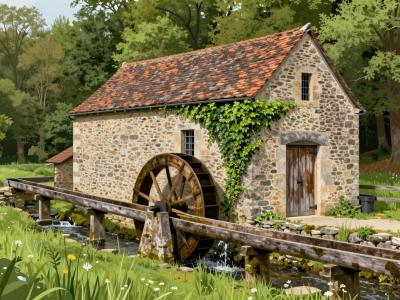
Historical remnants of Mazurinov Mill
Ruins of 19th-century Mazurinov Mill by Dragonja River
History & Heritage · Hiking Trails
Questions people ask
Quick Facts
Best Time to Visit
May to September offers warm, sunny weather, blooming landscapes, and ideal conditions for hiking, swimming, and exploring Dragonja’s river valley and surroundings.
Book your stay