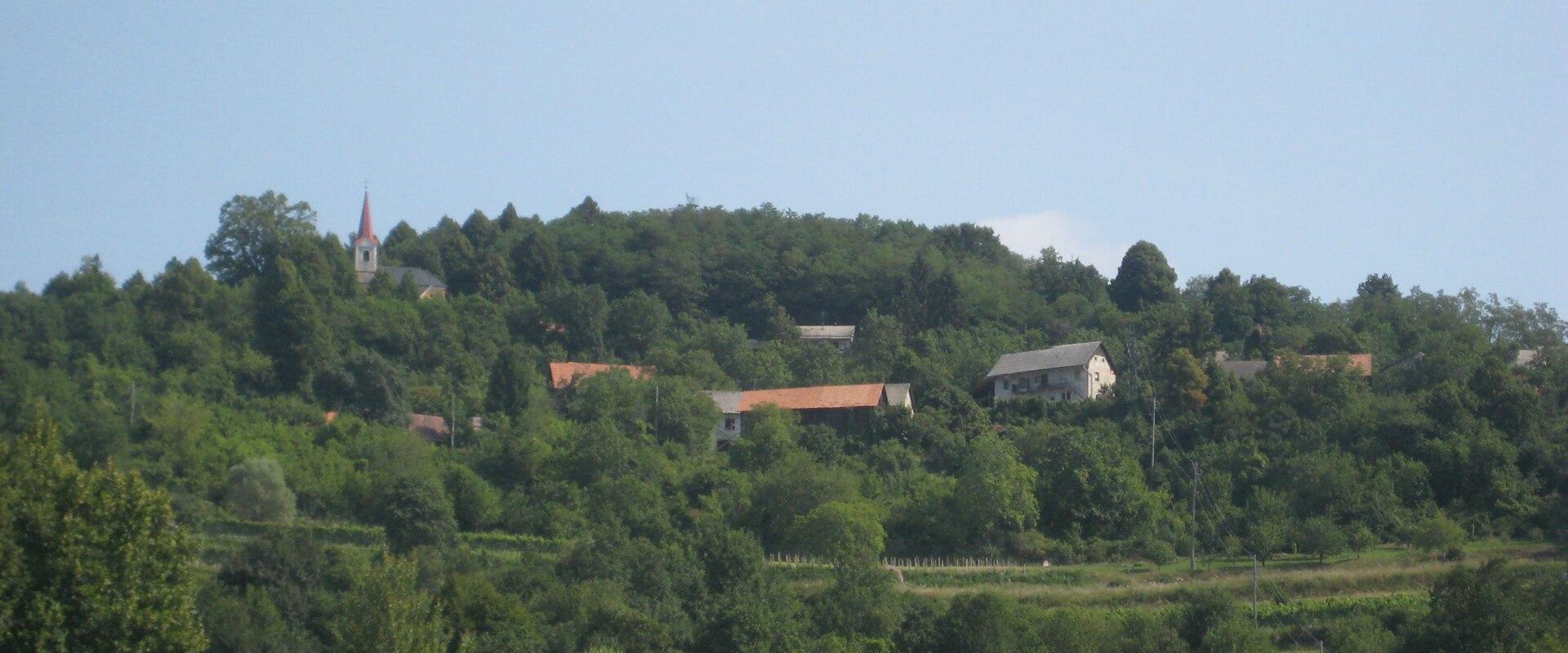
Holy Trinity Church
15th-century frescoes and Dance of Death mural
- Where
- Hrastovlje, Piran & Istrian Coast
- Directions
- Directions
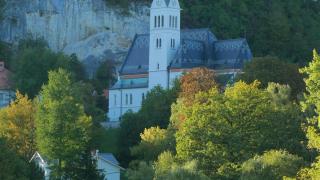
The Church of the Holy Trinity at Hrastovlje is one of the most remarkable medieval monuments in Slovenia, and it lies in the southwestern part of the country, on the Karst edge above Slovenian Istria, in the village of Hrastovlje. It is a small stone church on a rocky rise, enclosed by a ring of defensive walls and towers, and its plain exterior hides one of the most complete cycles of Gothic wall paintings in Central Europe.
The building itself is Romanesque in origin, with a simple nave and apse that go back to the twelfth century, and it was later altered. The fortified wall that surrounds it was added in the sixteenth century, when the region lived under the threat of Ottoman raids, and villagers could shelter inside it. The walls are of local limestone and the roof is covered with stone slabs, giving the group of buildings a solid, almost military look in a landscape of bare rock and dry meadows.
The interior is the main attraction. In 1490 the master Janez iz Kastva, known in English as John of Kastav, painted the walls and vault with scenes that cover almost every surface. The paintings show the Creation, scenes from the Old Testament, the months of the year as the cycle of rural work, the Adoration of the Magi and many saints. The best-known of them is the Dance of Death, a procession in which skeletons lead people of every rank, from pope and king to peasant and child, toward the grave, a reminder that death comes to all. The figures are painted with humour and sharp observation, and the colours, mostly earthy reds, ochres and greens, remain remarkably fresh. The paintings were hidden under plaster for centuries and rediscovered in the twentieth century. An inscription in the Glagolitic script, an old Slavonic alphabet used in this part of the Adriatic, is another unusual detail.
Visitors are normally admitted with a guide, and visits are usually arranged at the nearby information point or by appointment, so check the current arrangements locally before travelling. The Karst edge around the village offers quiet walking and cycling, which makes the church part of a wider outing in Slovenian Istria.
The church suits art and history lovers, families with older children, and anyone interested in medieval folk art. A visit takes around an hour. Bring a light layer, since the interior stays cool, and allow time to look at the details, which reward close attention.
Categories
More photos coming soon
Nearby Attractions
Closest attractions by distance
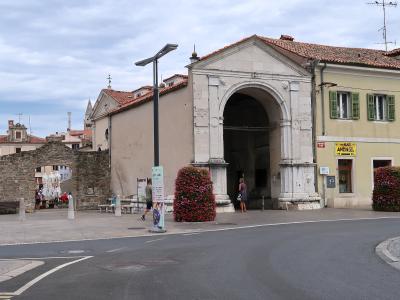
Muda Gate
Renaissance gate, last of Koper’s twelve entrances
Historic Districts · Historic Towns
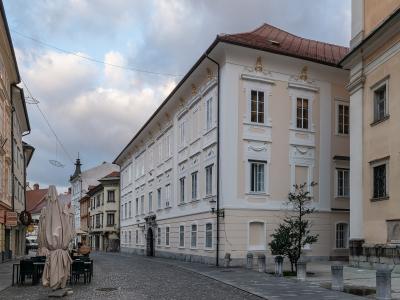
Praetorian Palace
Venetian Gothic palace with Lady Justice statue
Historic Districts · Historic Houses
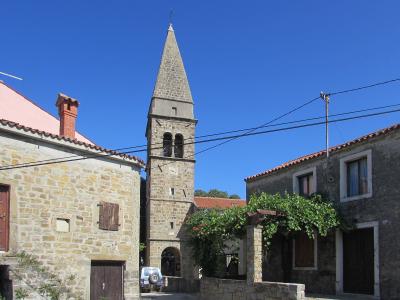
Church of St. Blaise, Padna
1867 church with 26m bell tower in Padna
History & Heritage · Churches
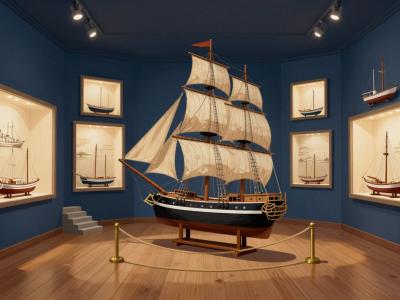
Izolana – The House of Sea
Maritime heritage museum in Izola town center
Historic Towns · Museums
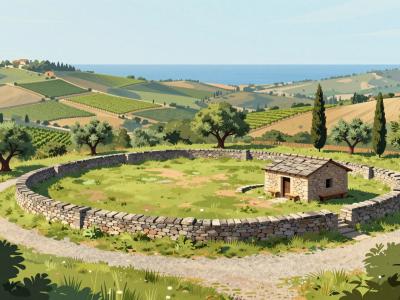
Kaštelir Archaeological Park
Prehistoric hillfort with Bronze Age artifacts
History & Heritage · Natural Wonders
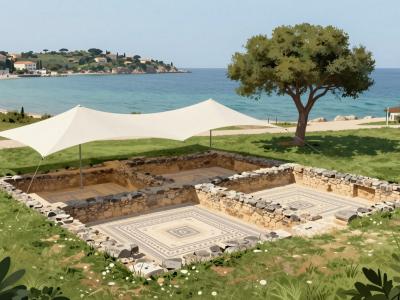
Simonov zaliv Archaeological Park
Roman mosaics and ancient harbor ruins
Cultural Experiences · History & Heritage
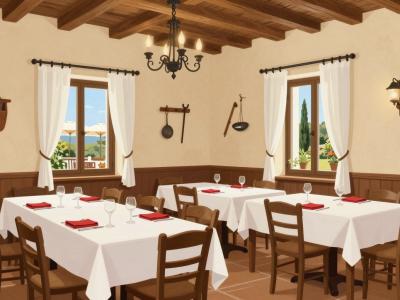
Gostilna Korte
Traditional Slovenian Istrian cuisine in Korte
Restaurants
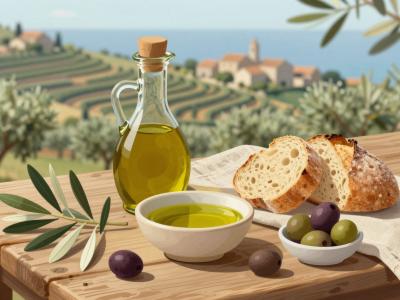
Olive Oil Morgan
Traditional olive oil production in Korte, Slovenia
Cultural Experiences · Food & Gastronomy
Questions people ask
Quick Facts
Best Time to Visit
April to June and September to October, when walking in the hills is comfortable and the village is quiet.
Book your stay