
- Where
- Izola, Piran & Istrian Coast
- Directions
- Directions
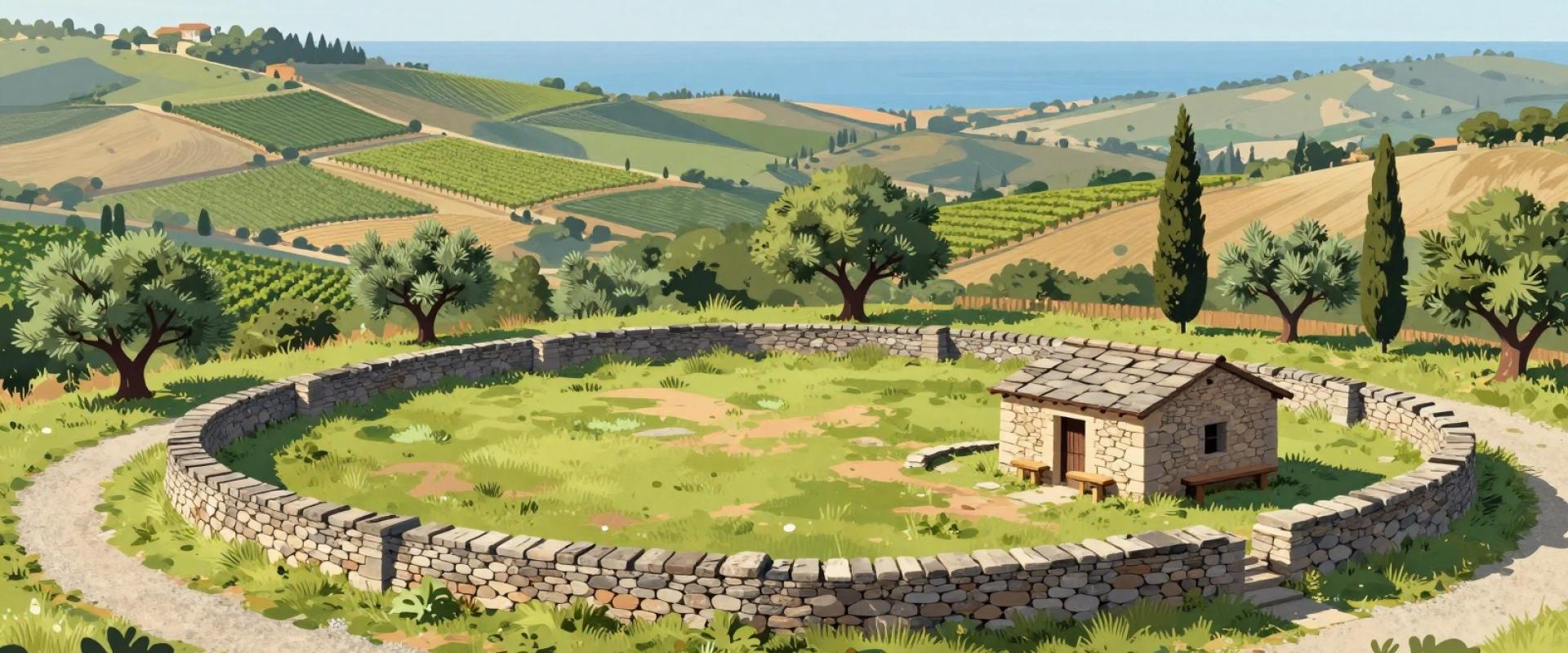
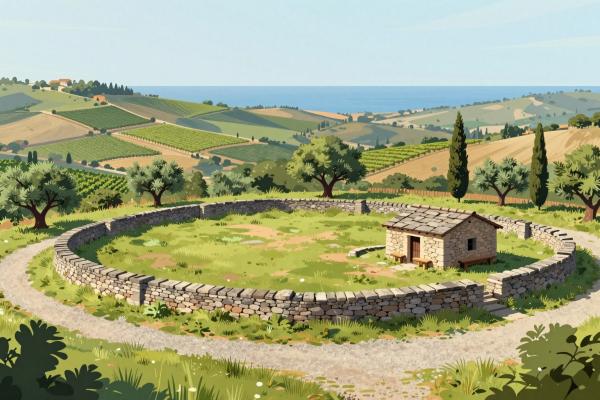
Kaštelir is a hilltop above the village of Korte, in the hinterland of Izola in Slovenian Istria, and it is the site of a prehistoric hillfort, one of the many fortified settlements that once dotted the Istrian peninsula. Such settlements are called castellieri, a word from the Italian for small castle, and in Slovene kaštelir, which is also the local name of the hill. They were built by the tribes of the region, among them the Histri, from whom Istria takes its name, during the Bronze and Iron Ages, and they usually consist of one or more rings of stone walls around the top of a hill. The Histri were eventually conquered by Rome in the second century BC, but their hillforts remained in use for a long time.
The Kaštelir site is the largest of its kind in this part of Istria, and the walls of the settlement, mostly grown over with vegetation, can still be traced around the summit. Excavations have uncovered the foundations of houses, pottery, tools and ornaments, which tell of the daily life of the people who lived here, farmed the surrounding land and traded with their neighbours across the northern Adriatic. The park has been laid out to make this history understandable to the public: a network of paths leads around the hill, information boards explain the findings, and archaeological sandboxes let children try the work of an archaeologist. A small reconstructed Istrian house shows what a dwelling of the period might have looked like, and an outdoor classroom and amphitheatre are used for school visits and events.
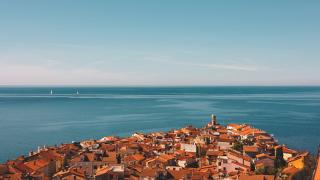
The setting adds to the appeal. The hill is surrounded by a patchwork of vineyards, olive groves and meadows, and botanical trails identify the plants of the Mediterranean hinterland, including herbs, wildflowers and the trees of the dry Istrian woods. From the summit, the view reaches over the Bay of Piran and the Adriatic, and on clear days it extends toward the Julian Alps. It is a pleasant place for a walk in spring, when the meadows are in flower, and in autumn, when the vineyards turn red and gold.
The park is easy to reach from Izola by car or bicycle, and it fits well with a day in the area. Izola Marina and the Inner harbor are close to the coast, the Simonov zaliv Archaeological Park shows a later, Roman-era settlement, and the village of Korte has food and olive oil. Local artists make souvenirs inspired by the finds. Check opening arrangements and guided tour times in advance, as these vary with the season.
Categories
More photos coming soon
Nearby Attractions
Other places to visit in Izola
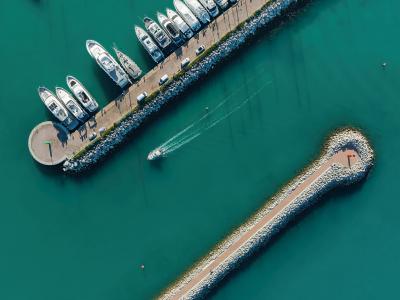
Izola Marina
Maritime heritage and coastal charm in Izola
Coastal & Maritime · Urban Exploration
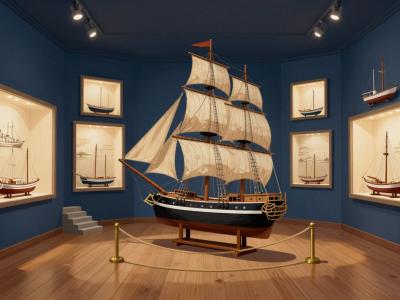
Izolana – The House of Sea
Maritime heritage museum in Izola town center
Historic Towns · Museums
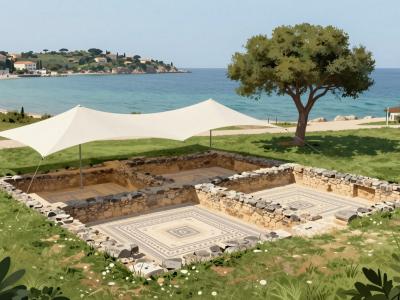
Simonov zaliv Archaeological Park
Roman mosaics and ancient harbor ruins
Cultural Experiences · History & Heritage
Pier of Tastes
Seaside Istrian cuisine with lighthouse views
Coastal & Maritime · Cultural Experiences
Questions people ask
Quick Facts
Best Time to Visit
April to October offers warm, sunny weather for beaches, festivals, and outdoor dining; summer is lively, spring and autumn are mild and less crowded.
Book your stay