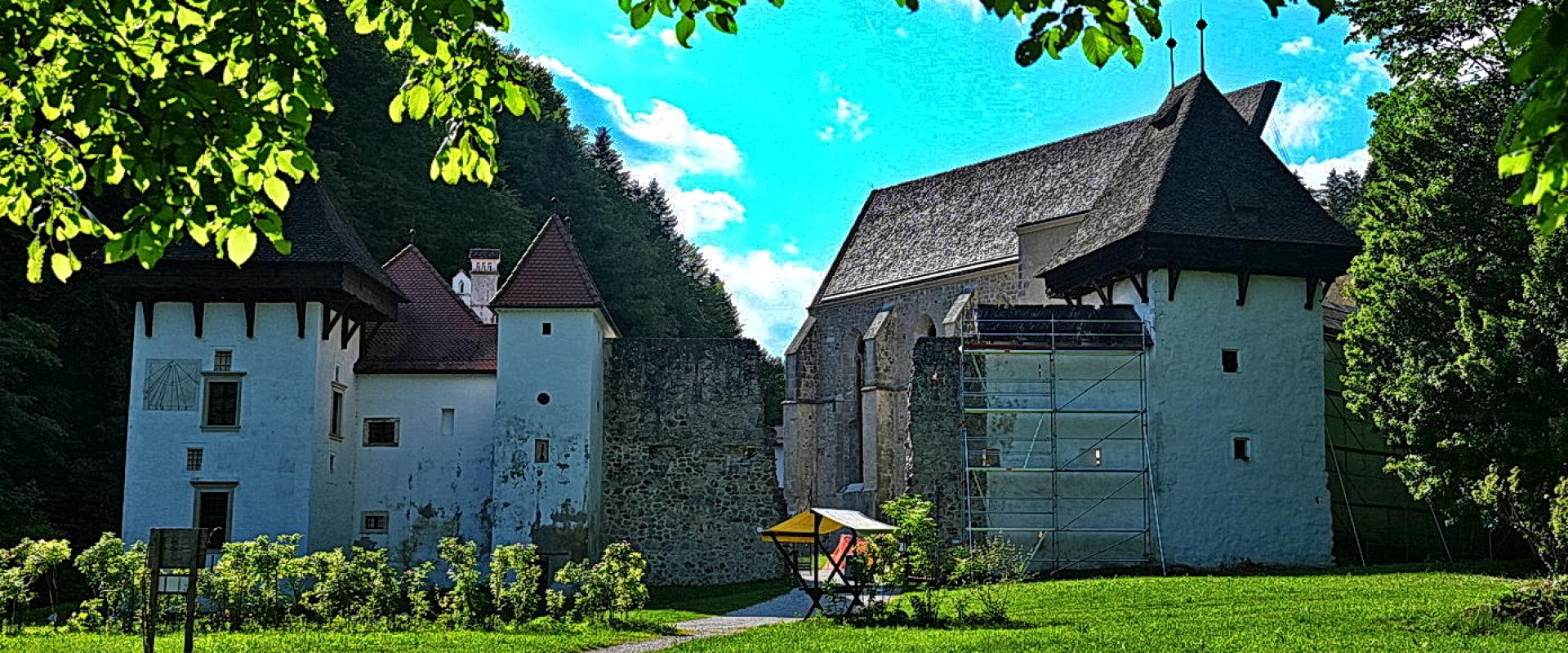
Žička kartuzija, also known as the Charterhouse of Žiče, is one of Slovenia’s most important medieval monuments and a reminder of the country’s spiritual and architectural heritage. It was founded around 1160 by Margrave Ottokar III of Styria, and it was the first Carthusian charterhouse built outside France and Italy. It soon became a centre of religious, cultural and economic life in the region. The Carthusian order is known for strict asceticism and a contemplative life, and these ideals shaped the daily rhythm of Žička kartuzija for centuries, with monks devoted to prayer, study and manual work.
The complex stands in a secluded valley, surrounded by forested hills and the soft sound of a nearby stream. The location was chosen for its calm and remoteness, in keeping with the Carthusian ideal of solitude. Over the centuries the monastery grew to include two main parts: the Upper Monastery, reserved for monks, and the Lower Monastery, which housed lay brothers and guests. It flourished in the Middle Ages as a centre of manuscript production, viticulture and herbal medicine. It was damaged during the Ottoman incursions and was finally dissolved in the eighteenth century under Emperor Joseph II’s reforms.
Today visitors can explore the evocative ruins, including the remains of the Gothic church, the cloisters, the chapter house and the living quarters. The site is well kept, with informative signs and guided tours. One highlight is the panoramic path above the presbytery, which gives wide views of the valley and a sense of the monastery’s former grandeur. A circular route with so-called energy spots, believed by some to have spiritual or healing properties, adds a mystical dimension to the visit; the energy pathway is a quiet walk whether or not you share the belief.
The gardens continue monastic traditions. The Herb Garden and the Monastery Garden offer calm, scented places to walk, and the Winter Monastic Garden shows how plants were kept through the cold months. The Carthusians were known for their knowledge of herbs, and the planting here recalls that tradition of self-sufficiency and herbal healing.
Cultural events, concerts and workshops are held in the grounds, giving new life to the old stones. Gastuž, at the entrance, is a restored building where visitors can eat monastic-style dishes and local specialities, and various highly rated restaurants are found in the surrounding villages. The peaceful setting makes the charterhouse a good place for contemplation, photography and leisurely walks.
Getting to Žička kartuzija is straightforward by car, with the site a short drive from Slovenske Konjice and accessible from larger Slovenian cities such as Celje and Maribor. Parking is available, and the entrance ticket includes access to exhibitions. The monastery is open throughout the year, though opening hours vary by season.
Seasonal advice: the best time to visit is late spring to early autumn (May to October), when the valley is green and the weather suits exploring the ruins and trails. Summer brings cultural events and festivals, while autumn offers colourful foliage and a quieter feel. Winters are peaceful but can be cold, and the ruins take on a haunting beauty. Whatever the season, Žička kartuzija’s calm and historical depth make for a memorable visit, and it combines well with a day in nearby Slovenske Konjice and its vineyards.
Best time to visit
May to October offers pleasant weather, lush scenery, and cultural events; spring and autumn are especially beautiful for exploring the monastery and valley.
What to see in Žička kartuzija
Our picks first.
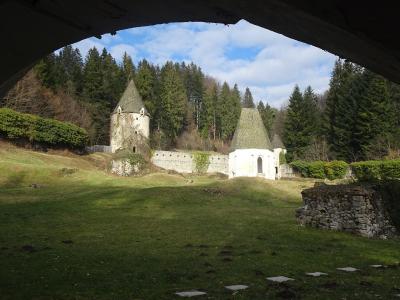
Žička kartuzija Monastery
12th-century Carthusian monastery in Slovenia
Cultural Experiences · History & Heritage
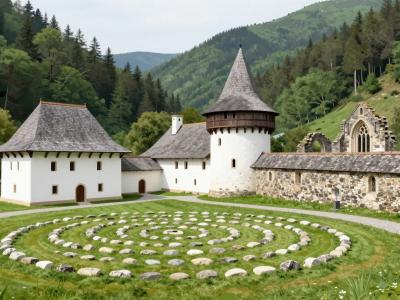
Energy pathway / energy spots
Silent energy spots along Žička kartuzija trails
History & Heritage · Gardens
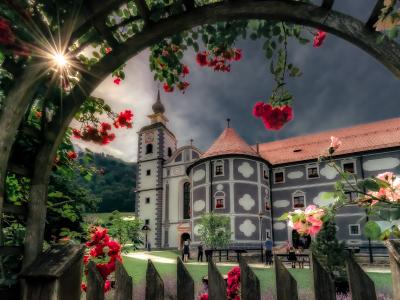
Monastery Garden
Herbal garden within Slovenia’s historic Žička kartuzija
Cultural Experiences · History & Heritage
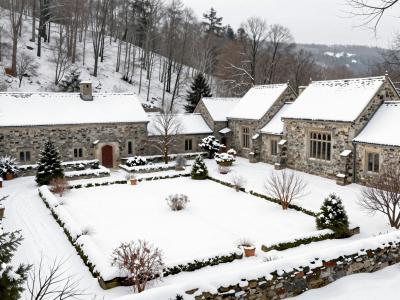
Winter Monastic Garden
Winter monastic garden with medieval herbs
History & Heritage · Natural Wonders
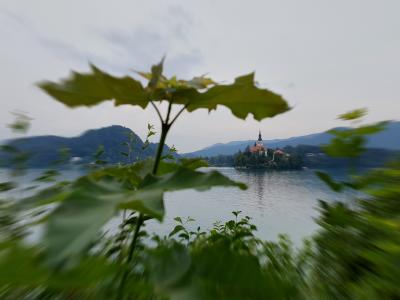
Gastuž
Slovenia’s oldest inn since 1467 by Žička kartuzija
Cultural Experiences · Food & Gastronomy
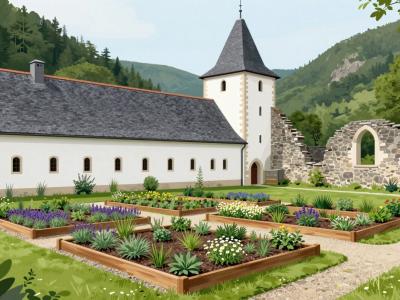
Herb garden
Monastic herb garden with centuries-old traditions
Gardens · Guided Tours
Žička kartuzija by interest
The same sights, grouped by what you came for.
Planning a visit to Žička kartuzija
Itineraries that include Žička kartuzija
Good to know
- Currency
- EUR
- Language
- Slovene

Questions people ask
More places in Štajerska
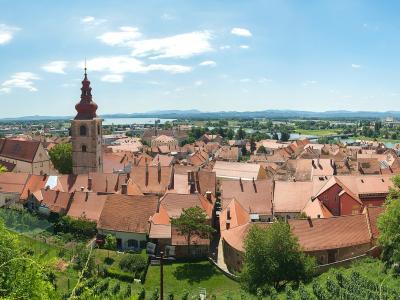
Štajerska
Ptuj
Slovenia’s oldest town with castle and Roman heritage
Štajerska
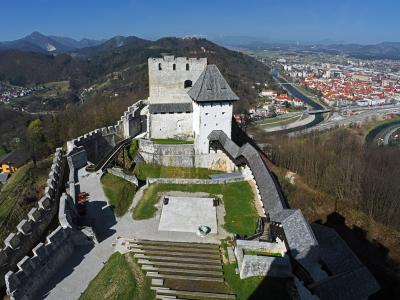
Celje
Medieval castle city with riverside parks and vibrant old town
Štajerska
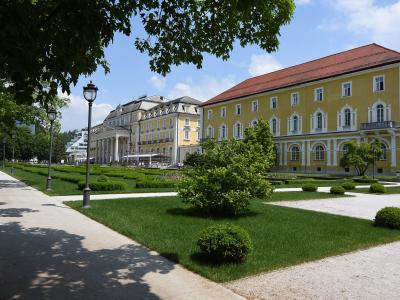
Rogaška Slatina
Historic spa town with mineral springs and crystal glass
Štajerska
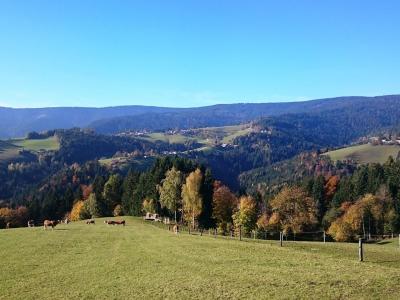
Rogla
Alpine plateau for skiing, hiking, and wellness escapes