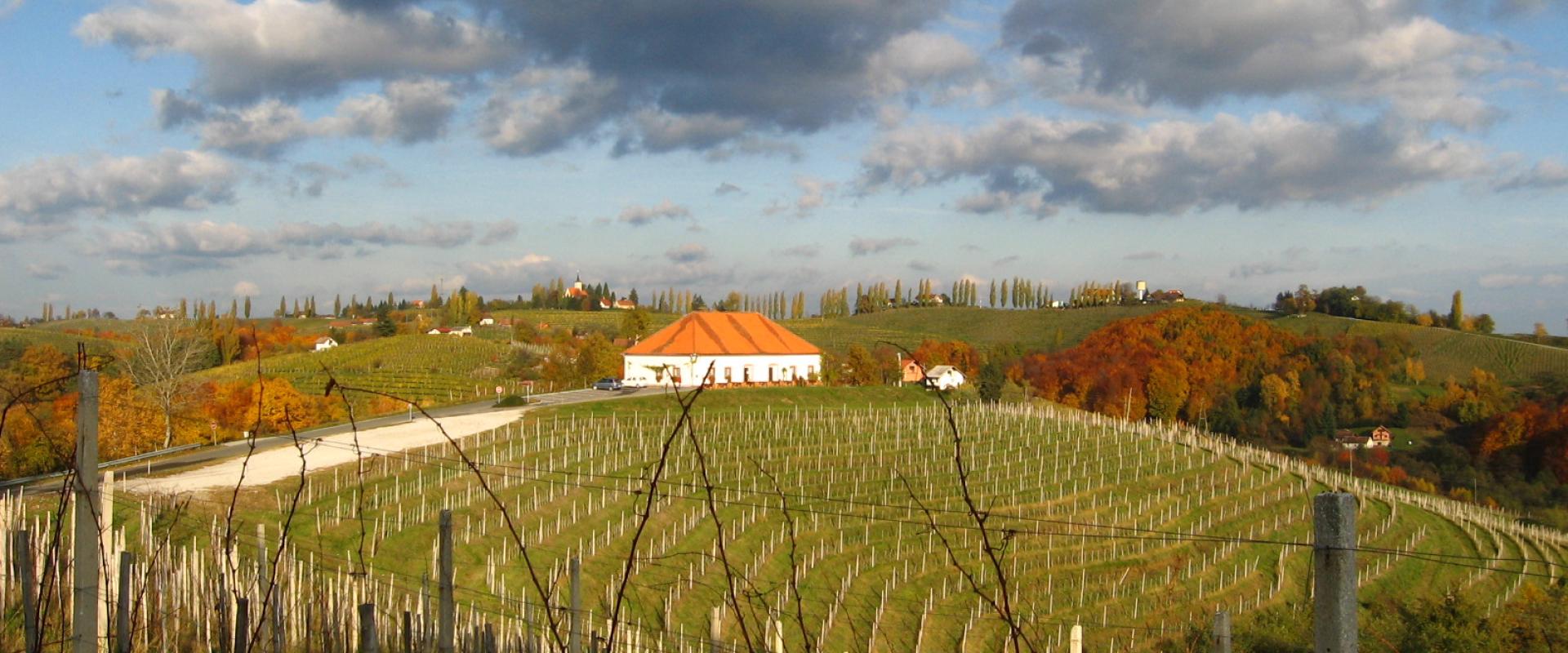
Štajerska
Vineyards, castles, and vibrant cities in Slovenia’s northeast
Štajerska, or Slovenian Styria, is a region that captivates with its blend of natural beauty, historical depth and cultural life. It lies in northeastern Slovenia and stretches from the Austrian border down to the middle of the country, with rolling hills, fertile plains and the winding Drava River. The region is one of Slovenia’s most important wine-producing areas, and its towns and countryside have a spirit of hospitality and tradition.
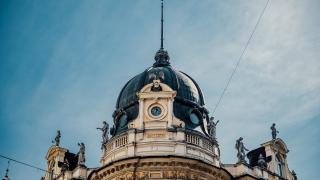
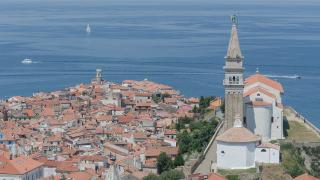
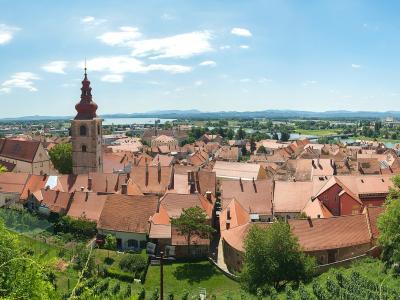
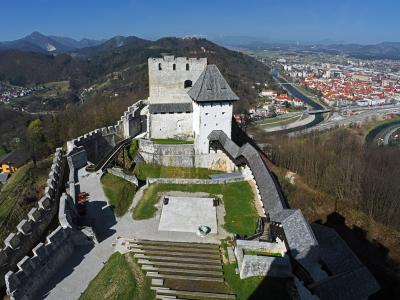
The history of Štajerska is long and varied. The area was settled in prehistoric times, with archaeological finds showing Celtic and Roman presence, especially around Ptuj, Slovenia’s oldest town. In the Middle Ages Štajerska became part of the Duchy of Styria, a territory that spanned parts of present-day Austria and Slovenia. This legacy is visible in the region’s architecture, from imposing castles such as Celje Castle, once home to the powerful Counts of Celje, to the medieval streets of Ptuj and the Baroque facades of Maribor. Over the centuries Štajerska has been a crossroads of cultures, which shows in its festivals, food and dialects.
Among Štajerska’s main attractions, Maribor stands out as a lively city. It is famous for the Old Vine House, home to the world’s oldest grapevine, and for its lively Lent district along the Drava River. Maribor’s cultural calendar is full of events, among them the Lent Festival, one of Slovenia’s largest summer celebrations. Ptuj charms visitors with its well-kept medieval core, a hilltop castle with a regional museum and the colourful Kurentovanje carnival, UNESCO-recognized. Celje has the dramatic Celje Castle and a pleasant old town with museums and galleries.
Štajerska’s countryside is a draw for wine lovers and outdoor enthusiasts. The region’s wine roads wind through hills covered in vineyards, with chances to taste wine at family-run cellars and boutique wineries. Well-known wine routes include the Jeruzalem-Ormož and Maribor-Pohorje areas, where visitors can try crisp white wines and local specialities; the Wine Routes of Jeruzalem invite a slow journey through one of Europe’s more distinctive vineyard landscapes. Cycling and hiking are popular, with trails through vineyards, forests and along riverbanks, and boat trips on the Drava offer a peaceful way to see the region from the water. The Pohorje Mountains, just outside Maribor, give recreation all year, from skiing in winter, with ski schools for beginners and families, to hiking and mountain biking in summer. In cold months, ice skating adds to the winter offer.
Cultural experiences abound. Visitors can explore traditional villages, attend folk festivals and enjoy regional cooking that mixes Slovenian, Austrian and Hungarian influences. Authentic Štajerska cuisine reflects the region’s farming heritage, with dishes such as pumpkin seed oil salad, štruklji (rolled dumplings) and hearty stews as local favourites. The region is also known for its thermal spas, which offer relaxation and wellness treatments in scenic settings.
Getting to Štajerska is straightforward. Maribor is well connected by road and rail, with direct trains from Ljubljana and international links to Austria. The region is easy to reach by car, and public transport connects the main towns and rural sights. Maribor Edvard Rusjan Airport has limited international flights, while the larger airports in Ljubljana and Graz (Austria) are within easy reach.
The best time to visit is late spring to early autumn, when the weather is warm and the vineyards are green. Spring (April–June) and autumn (September–October) offer pleasant temperatures, fewer crowds and the added draw of wine festivals and harvest celebrations. Summer is ideal for outdoor activities and cultural events, while winter brings a quieter charm, especially in the Pohorje ski resorts.
Because distances are short, it is easy to combine a city break in Maribor with a wine tour in the hills, a day in Ptuj and a visit to Celje Castle, with spa stops in between. Many visitors base themselves in one place and make day trips, while others follow the wine roads from village to village, staying on farms and in small guesthouses along the way.
In summary, Štajerska is a region that invites exploration, with historic towns, scenic wine country and a lively cultural life to draw you in. Its mix of tradition, natural beauty and modern amenities makes it a highlight of any Slovenian journey, and each of the towns in this guide, from Ptuj to Maribor and Celje, adds its own chapter.
Best time to visit
Late spring to early autumn (April–October) offers warm weather, lush vineyards, and vibrant festivals—ideal for sightseeing, wine tours, and outdoor activities.
What to see in Štajerska
Our picks first.
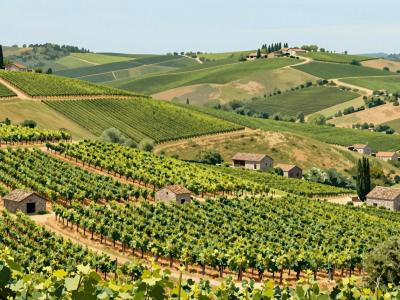
Wine Routes of Jeruzalem
Ancient vineyards with panoramic Štajerska views
Hiking Trails · Hills & Valleys
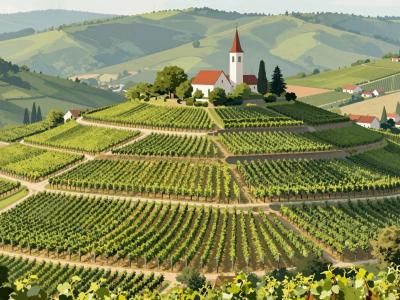
Jeruzalem Wine Route
Terraced vineyards with 2,000-year winemaking tradition
Free Culinary Tours · Wine Tours
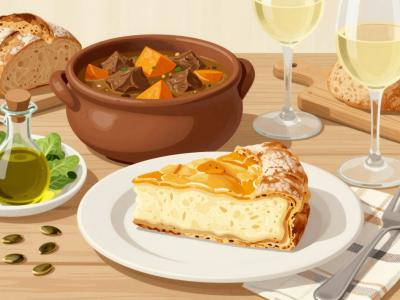
Authentic Štajerska Cuisine
Traditional sausages, stews, and aromatic wines
Food & Gastronomy
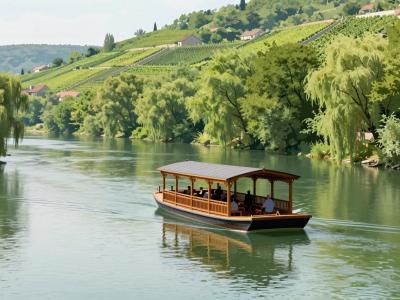
Boat Trips On Drava River
Natural river recreation in Štajerska
Boat Tours · Lakes & Rivers
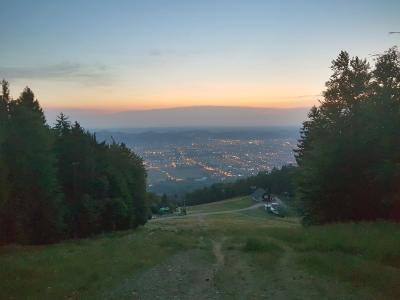
Pohorje Mountains
Forest canopy trail and observation tower
Hiking Trails · Mountains
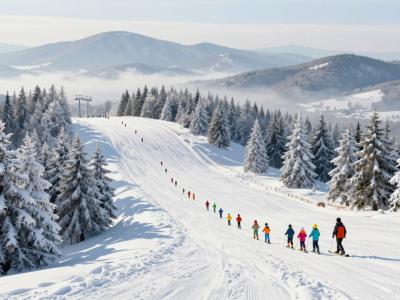
Ski Schools In Štajerska
Ski schools in Slovenia's Štajerska region
Activities & Adventure
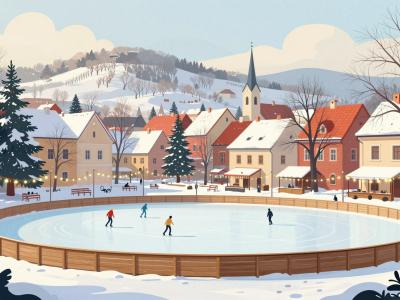
Ice Skating In Štajerska
Ice skating in Slovenia's Štajerska region
Activities & Adventure
Štajerska by interest
The same sights, grouped by what you came for.
Planning a visit to Štajerska
Itineraries that include Štajerska
Good to know
- Currency
- EUR
- Language
- Slovene
Quick Facts
Book your stay

Questions people ask
More places in Štajerska
Štajerska
Ptuj
Slovenia’s oldest town with castle and Roman heritage
Štajerska
Celje
Medieval castle city with riverside parks and vibrant old town
Štajerska
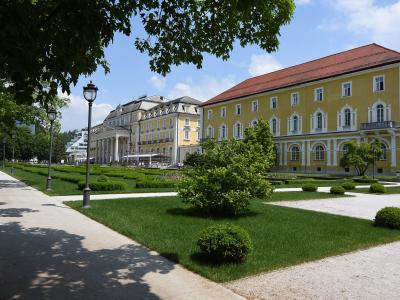
Rogaška Slatina
Historic spa town with mineral springs and crystal glass
Štajerska
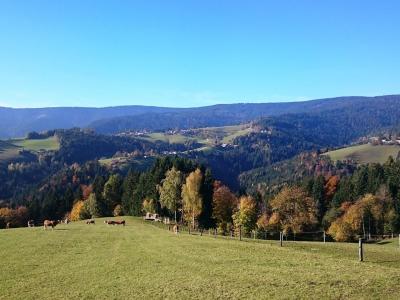
Rogla
Alpine plateau for skiing, hiking, and wellness escapes