Dawn’s First Light at Ojstrica
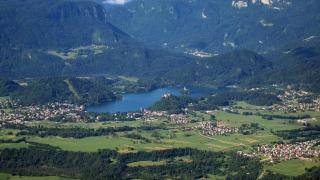
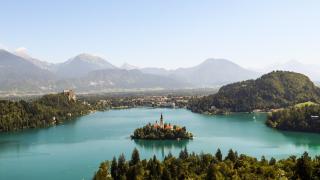
The climb to Ojstrica begins in the dark. To claim a prime viewing spot, you must arrive by 4:00 AM. Before you step out, verify your camera settings. Warm layers are essential for the biting chill of the pre-dawn air. A sturdy tripod is non-negotiable; it smooths the lake’s surface through long exposure, revealing the water’s emerald depth. From this vantage point, the Baroque church on the island appears as a tiny, delicate dot. This perspective frames Bled Castle in a way that feels uniquely isolated.
Light shifts rapidly here. Patience is your most valuable asset. While families can manage the hike if they start early, keep voices low. Other visitors are seeking the same stillness, and respect for the quiet atmosphere ensures a better experience for everyone. Your images will showcase Slovenia’s raw beauty without the distraction of crowds. The effort required to reach this height pays off in the final composition. Watch the day break over the Julian Alps. This specific angle belongs in your portfolio.
Chasing the Pletna’s Golden Hour
Late afternoon transforms Lake Bled into a study in contrasts. The low sun gilds the varnished wood of the traditional Pletna ferry, casting long, dramatic shadows across the emerald surface. Behind it, the Baroque church stands stark and silent against the jagged silhouette of the Julian Alps. This is the moment to frame your shot.
Technical choices here dictate the mood entirely. A shutter speed of 1/60th second blurs the oars into soft streaks, emphasizing the gentle glide against the immovable mountains. Conversely, a faster setting like 1/500th second freezes the scene, revealing the grain of the timber and the crisp ripples created by the boat’s passage. Both approaches tell a different story about the same quiet journey.
Composition matters as much as light. Place the boat in the lower third of your frame. Let the historic architecture occupy the upper two-thirds. This arrangement honors the site’s heritage while highlighting the unique transport method. Check your white balance carefully. You want the golden hues to feel natural, not artificially orange. Bright water can trick your meter. If the lake washes out the details in the boat’s shadows, dial in negative exposure compensation. These small adjustments preserve the serene atmosphere that defines this corner of Slovenia. The result is a photograph that feels less like a postcard and more like a memory.
The Castle’s Shadow Play
Drop your camera low. This angle forces the medieval walls of Bled Castle to loom large, dominating your frame with imposing gravity. Late afternoon sunlight stretches across the stone, carving deep shadows that reveal every rough texture and ancient crack. A polarizing filter helps cut through the harsh glare reflecting off the lake below, clarifying the scene without washing out the colors.
Follow the winding path as it snakes upward, using it as a natural leading line to draw the viewer’s eye toward the fortress entrance. This technique captures the sheer depth and historic weight of the cliffside stronghold in a way that feels both intimate and epic. Position yourself low to let the medieval walls dominate the frame. The late afternoon sun casts long, dramatic shadows that reveal the texture of the stone. Use a polarizing filter to cut through the glare on the water below. Look for natural leading lines in the path to guide the viewer’s eye upward. This approach captures the depth of this historic cliffside fortress effectively.
Gear Up for Alpine Whims
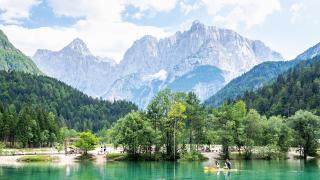
The Julian Alps rise sharply above Lake Bled, casting long shadows that shift with the passing clouds. Mountain weather is notoriously fickle, turning from bright sun to torrential rain in mere minutes. To protect your equipment, invest in a weather-sealed camera body and lens. These barriers against moisture are essential when you find yourself caught in a sudden downpour near the lake’s edge.
A versatile zoom lens, such as a 24-70mm f/2.8, simplifies your workflow. You can snap a tight shot of the Baroque church’s intricate frescoes without changing lenses, then zoom out to frame the entire bay. This flexibility allows you to react instantly to changing compositions. Cold air drains batteries rapidly. Pack at least two fully charged spares and keep them close to your body heat until you need them. A dead battery during the golden hour is a photographer’s worst nightmare. Ensure your power source is reliable so you never miss that fleeting moment when sunlight ignites the emerald water.
Lake Bled’s glacial waters and the towering Julian Alps create a dramatic backdrop, but the weather shifts quickly. You must protect your investment. Use weather-sealed equipment to handle sudden rain showers common in the mountains. A versatile zoom lens offers flexibility for capturing details of the Baroque church or the wider landscape. Pack extra batteries, as cold temperatures significantly drain power. Keep your gear dry and charged to capture every moment. This preparation ensures you are ready when the light hits the emerald water just right. Stay prepared, stay creative.
Your Frame, Your Story
The water around Bled Island isn’t just blue; it’s a deep, reflective green that mirrors the pastel Baroque church perched on the shore. September brings crisp air and sharp contrasts, while October paints the surrounding hills in fiery reds and golds. I’ve spent years testing different lenses here. A wide-angle captures the island’s isolation against the Julian Alps, but a 50mm lens often feels more intimate, isolating the boatman’s steady rowing from the busy background.
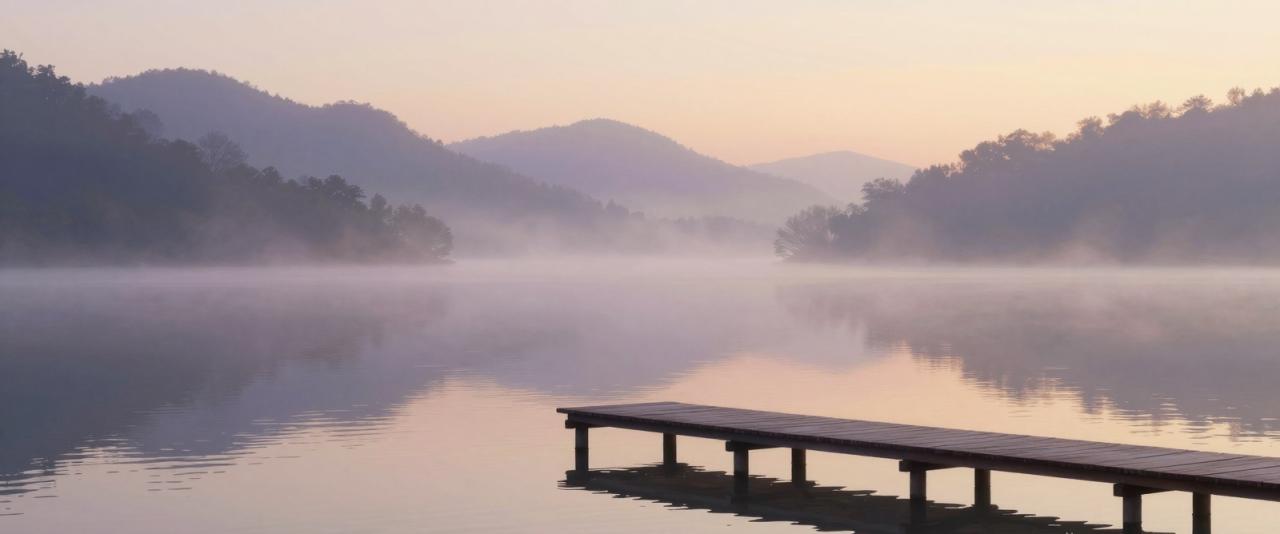
Share your own shots with our community. Whether you captured a candid laugh or a quiet misty morning, your perspective adds depth to our collective guide. Let’s keep exploring Slovenia’s hidden corners together. The water around Bled Island isn’t just blue; it’s a deep, reflective green that mirrors the pastel Baroque church perched on the shore. September brings crisp air and sharp contrasts, while October paints the surrounding hills in fiery reds and golds. I’ve spent years testing different lenses here. A wide-angle captures the island’s isolation against the Julian Alps, but a 50mm lens often feels more intimate, isolating the boatman’s steady rowing from the busy background.
Share your own shots with our community. Whether you captured a candid laugh or a quiet misty morning, your perspective adds depth to our collective guide. Let’s keep exploring Slovenia’s hidden corners together.