History
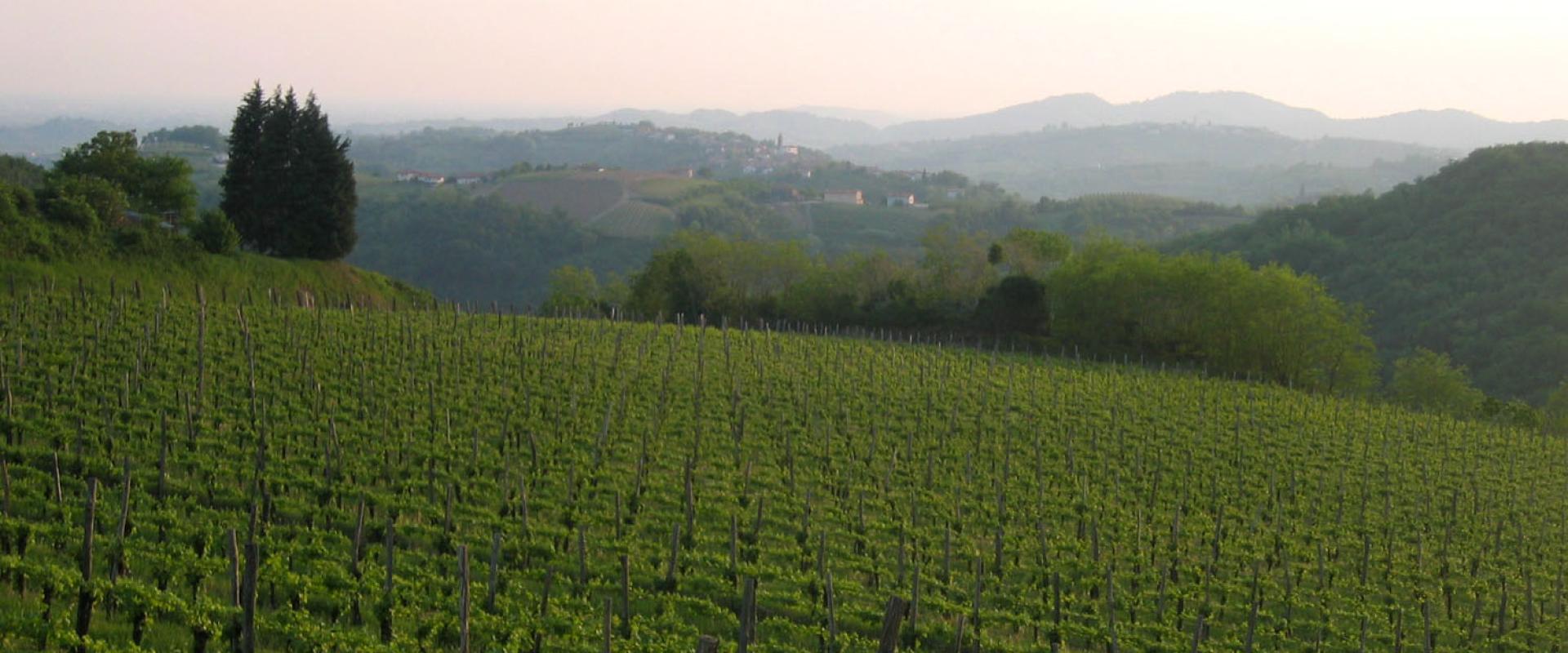
Goriška Brda, often referred to as Slovenia’s "mini-Tuscany," is a region where history is etched into the very landscape. Located in the southwestern corner of Slovenia, this sun-kissed area sits in a unique geographical position between the Julian Alps and the Mediterranean Sea. This location has historically made it a crossroads of cultures, influencing its architecture, cuisine, and viticulture. The region’s identity is deeply rooted in agriculture, particularly winemaking, which has been practiced here for centuries. The terraced hillsides, supported by dry-stone walls, are not just agricultural feats but living cultural heritage, reflecting the resilience and tradition of local communities.
The area’s historical significance is further highlighted by its architectural gems. Dobrovo Castle, for instance, stands as a testament to the region’s medieval past. Built on 13th-century ruins, this Renaissance structure has served various purposes over the centuries, from a noble residence to a cultural hub. Today, it houses the Zoran Mušič Gallery, preserving the artistic legacy of one of Slovenia’s most important painters. Similarly, Villa Vipolže, considered one of Slovenia’s most striking Renaissance villas, reflects the wealth and artistic patronage of the nobility during the 16th and 17th centuries. These structures, along with the fortified medieval village of Šmartno, offer a tangible connection to the region’s rich and layered history.
Main Attractions
The primary draw of Goriška Brda is its breathtaking landscape of rolling hills covered in vineyards and olive groves. The region is home to over 100 winemakers, including Klet Brda, the country’s largest wine cellar, which is renowned for its award-winning Rebula and Merlot wines. Visitors can explore the cultural heart of the region at Dobrovo Castle, where the Zoran Mušič Gallery hosts exhibitions such as "Landscapes of the Body." Another key attraction is the Brda House and Cellar in Šmartno, which offers a deep dive into traditional Brda life and winemaking practices.
For those interested in architecture and art, Villa Vipolže is a must-visit. This Renaissance gem not only showcases stunning architecture but also hosts contemporary exhibitions and events, bridging the gap between historical preservation and modern art. The region’s recognition as a European Destination of Excellence by the European Commission underscores its quality as a tourist destination, offering a blend of natural beauty, cultural heritage, and culinary excellence.
Activities
Visitors to Goriška Brda can immerse themselves in a variety of activities centered around wine, culture, and nature. Wine tasting is the quintessential experience, with many wineries offering guided tours and tastings. Edi Simčič winery, for example, provides privately guided cellar tours where guests can sample a range of Slovenian wines, including Rebula, Merlot, and Chardonnay. These tours often include insights into the winemaking process and the unique microclimate that contributes to the region’s distinctive flavors.
Beyond wine, the region offers opportunities for hiking and cycling through its scenic hills. The network of trails allows visitors to explore the countryside at their own pace, stopping at small villages and family-run bed and breakfasts. Cultural enthusiasts can explore the museums and galleries, such as the VR experience of the Kožbanjšček Gorge at Dobrovo Castle, which offers an interactive look at the region’s natural and historical significance. Additionally, the nearby Solkan Bridge, a historic stone bridge over the Soča river, provides a glimpse into the region’s wartime history, with preserved WWI bunkers and kitchens.
Getting There
Goriška Brda is easily accessible from major Slovenian cities. Ljubljana, the capital, is approximately 100 kilometers away, with regular bus and train connections available. The journey takes around 1.5 to 2 hours, depending on traffic and mode of transport. For those driving, the region is well-connected by road, with clear signage guiding visitors to key attractions. International visitors often fly into Trieste Airport in Italy, which is just across the border, making Brda a convenient stop for those exploring the broader Friuli-Venezia Giulia region.
Best Time to Visit
The best time to visit Goriška Brda is during the spring and autumn months. Spring, particularly April and May, offers mild weather and blooming landscapes, perfect for outdoor activities and wine tours. Autumn, from September to October, is harvest season, providing a vibrant atmosphere as locals and visitors celebrate the grape harvest. Summer can be hot and crowded, while winter offers a quieter, more serene experience, though some attractions may have limited hours. Regardless of the season, the region’s charm and hospitality remain constant, ensuring a memorable visit.
Best time to visit
May to June and September to October offer mild weather and harvest season experiences.
What to see in Goriška Brda
Our picks first.
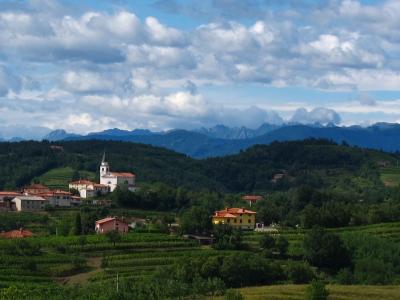
Vineyards of Goriška Brda
Rolling vineyards and historic villages in Slovenia
Cycling Routes · Hills & Valleys
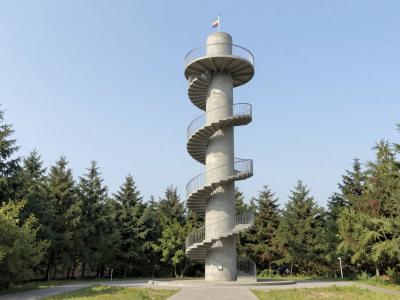
Viewing Tower in Gonjače
23m tower with panoramic Alpine and Adriatic views
Hiking Trails · Hills & Valleys
Klet Brda
Largest Slovenian winery in Goriška Brda region
Cultural Experiences · Food & Gastronomy
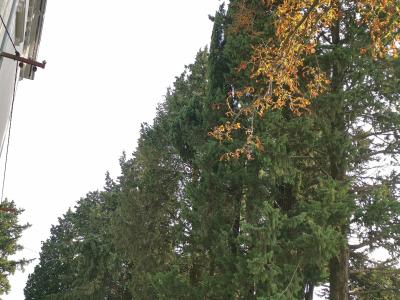
Villa Vipolže
Renaissance villa with historic cypress park
Guided Tours · Historic Houses
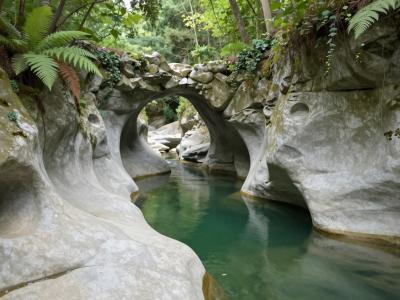
Krčnik and Kotline
Natural stone bridge and pools carved by creek
Natural Wonders · Hiking Trails
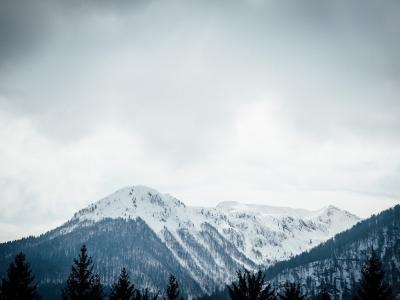
Movia
Family-owned biodynamic winery in Goriška Brda
Cultural Experiences · Food & Gastronomy
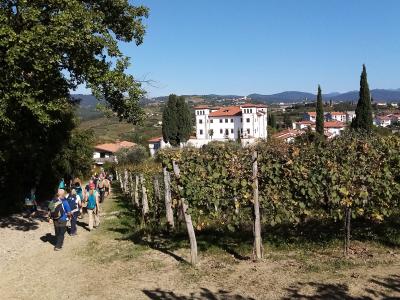
Ščurek
Historic family winery blending tradition and art
Culinary Tours · Historic Houses
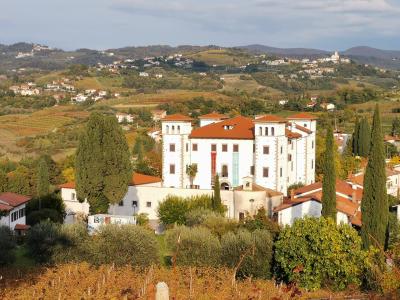
Dobrovo Castle
Renaissance castle housing Zoran Mušič art
Castles · Museums
Goriška Brda by interest
The same sights, grouped by what you came for.
Planning a visit to Goriška Brda
Good to know
- Currency
- EUR
- Language
- Slovene
Quick Facts
Book your stay

Questions people ask
More places in Bled & Bohinj
Bled & Bohinj
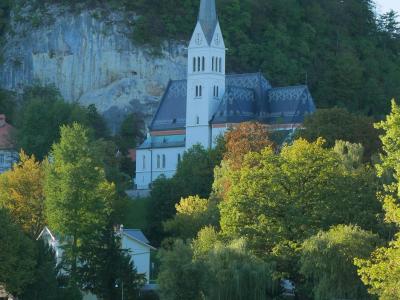
Lake Bled
Iconic glacial lake with island church and castle views
Bled & Bohinj
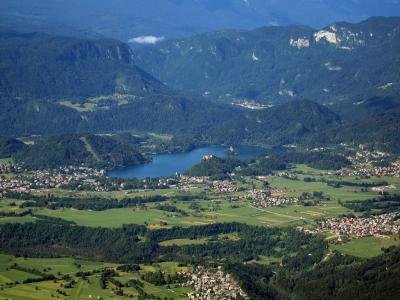
Bled
Alpine lake, island church, and medieval castle views
Bled & Bohinj
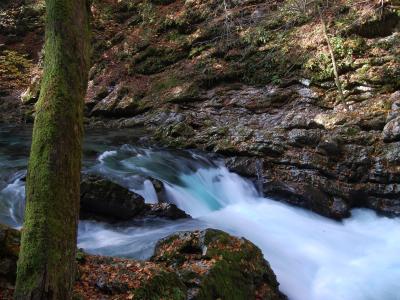
Soteska Vintgar
Spectacular gorge with wooden walkways and waterfalls
Bled & Bohinj
Bovec
Adventure capital with Soča River, waterfalls, and alpine views