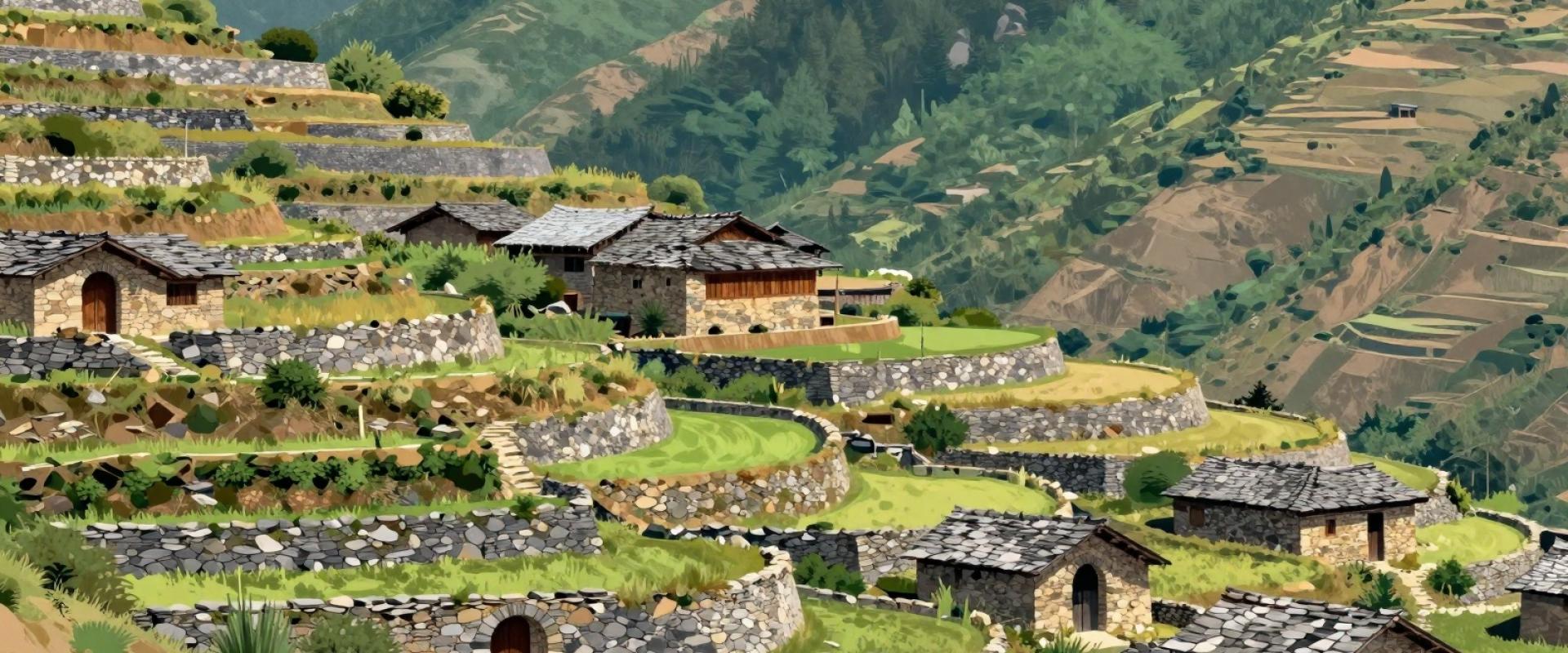
Terraced fields and semi-circular doors in historic Alpine architecture
Terraced fields and semi-circular doors in Alpine Dovje
- Where
- Dovje, Gorenjska
- Directions
- Directions
Dovje is a village in the upper Sava valley in the northwest of Slovenia, at the foot of the Karavanke on one side and the Julian Alps on the other, and it preserves a good deal of the traditional character of an Upper Carniola mountain village. The two features named in the title, terraced fields and semi-circular doorways, are small things, but they are the kind of detail that explains how people lived in a steep landscape. Walking through the village slowly, with attention to the houses and the slopes around them, is the best way to appreciate them.
Terraces are a response to steep ground. In a mountain valley, level land is scarce, and farmers have long built narrow flat steps into the hillsides, held up by low walls or banks, so that crops, hay and fruit trees could be grown on land that would otherwise be too steep to work. The terraces also slow the run-off of water and reduce soil erosion, which matters in a place with heavy rain and snowmelt. The patchwork of small fields around Dovje is the result of centuries of such work, and the grassy steps, full of wildflowers in spring and early summer and golden in late summer after the hay is cut, give the slopes their shape. The village is also a place where hay racks, the open wooden drying frames called kozolci, stand beside fields and farmyards, and they are one of the best-known symbols of rural Slovenia.
The old farmhouses are typical of the region. They have thick masonry ground floors, built to resist cold and to keep stores cool, with timber or plastered upper floors, deep eaves and steep roofs that shed snow. Many of the better houses have stone doorways in the shape of a round arch, a semi-circular portal framed in carved stone, often with a date or initials cut into the keystone or lintel that records the year the house was built or enlarged and the family who built it. The round arch is practical, since it spreads the load of the wall above, and it also looks handsome, and it gives each house a recognisable face. Details such as wrought-iron window grilles, wooden balconies and painted shutters add to the character.
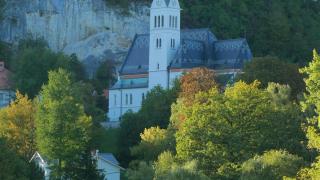
The village has other sights close by. The Cemetery near St. Michael's Church and St. Michael's Church itself are the best known, the Historic Blacksmith Site recalls the iron-working tradition of the valley, and a Monument near the main road marks local history. The Belca stream runs near the village, and views of the Karavanke from the paths are good.
It suits walkers, photographers and people who enjoy traditional architecture. Please respect private property and view houses from the road. Equally rewarding is the setting: Dovje’s Alpine light, the Karavanke Mountains to the north and the Belca Stream below. Slovenia’s mountain villages are full of such quiet detail.
Categories
More photos coming soon
Nearby Attractions
Other places to visit in Dovje
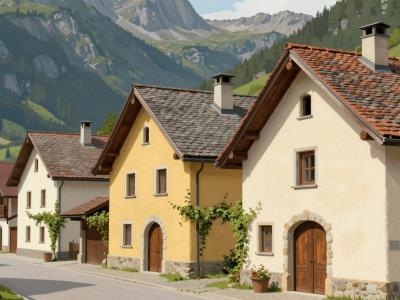
Historic Alpine architecture (including semi-circular doors on farmhouses)
Traditional Alpine farmhouses with semi-circular doors
Cultural Experiences · History & Heritage
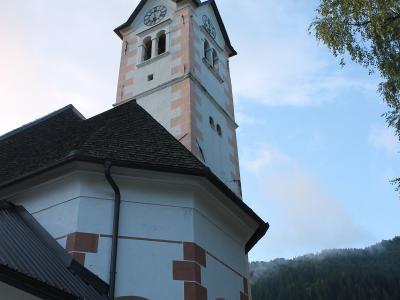
St. Michael's Church
14th-century church with Gothic and neo-Renaissance elements
Churches · Historic Towns
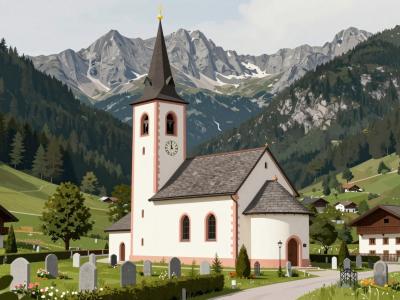
Cemetery near St. Michael's Church
Cemetery of Triglav mountaineers by St. Michael's Church
History & Heritage · Natural Wonders
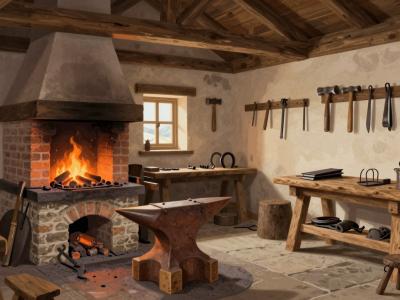
Historic Blacksmith Site
Historic blacksmith site showcasing traditional iron forging
History & Heritage · Traditional Crafts
Questions people ask
Quick Facts
Best Time to Visit
June to September offers warm weather for hiking, cycling, and mountain activities; spring and autumn are mild and scenic, winter is ideal for snow sports.
Book your stay