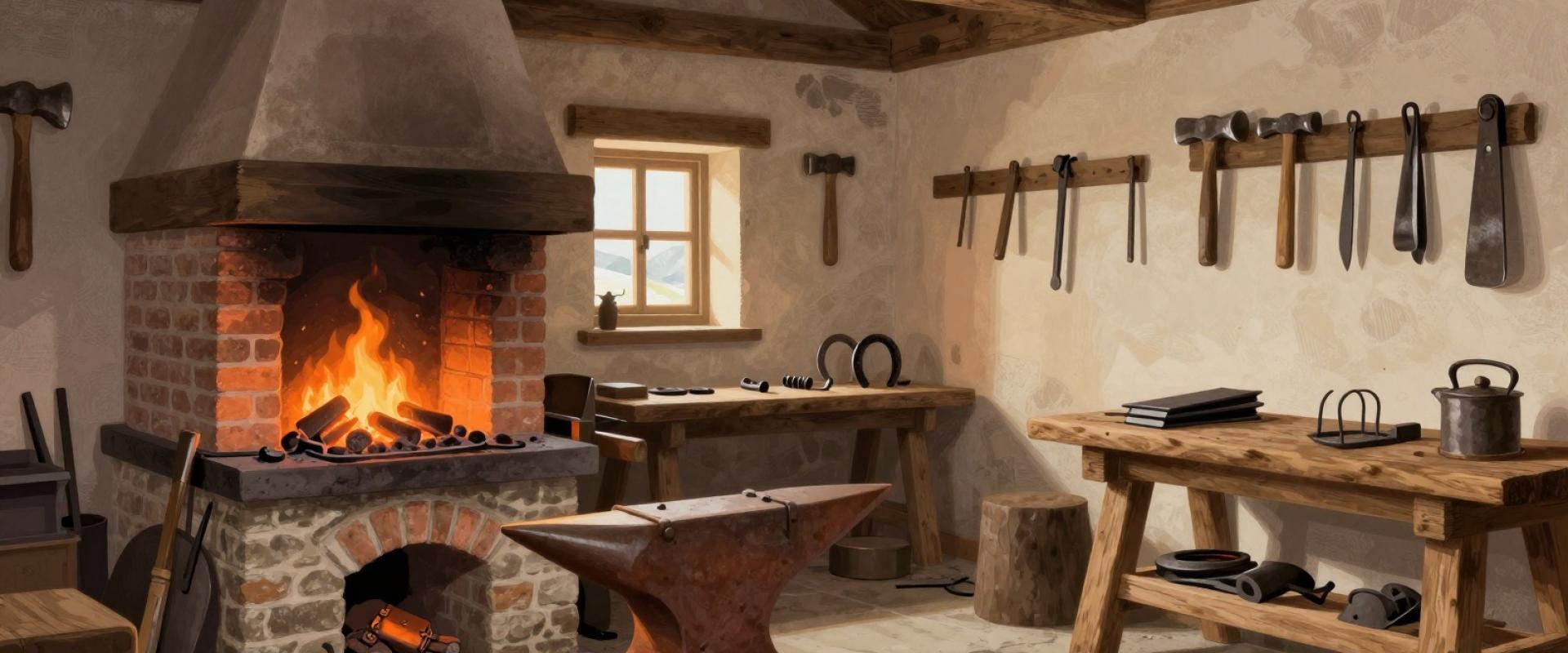
Historic Blacksmith Site
Historic blacksmith site showcasing traditional iron forging
- Where
- Dovje, Gorenjska
- Directions
- Directions
Dovje is a village in the Upper Sava Valley in northwestern Slovenia, under the Karavanke and next to Mojstrana, and like much of the valley it has a long connection with iron. The mountains here hold ore, the forests supplied charcoal, and the streams provided power, which together made metalworking one of the main trades of the valley from the Middle Ages. In the villages of the Upper Sava and the neighbouring Radovna valley, blacksmiths made nails, tools, hinges, scythes and horseshoes for farmers and travellers, and each community had at least one forge. The Historic Blacksmith Site in Dovje belongs to that tradition, and the village keeps it as part of its heritage.
The wider picture helps in understanding what the site represents. Ironworking in Upper Carniola grew from small village forges into larger industries in places such as Jesenice, where a large ironworks developed in the nineteenth century, and Kropa, near Radovljica, which became known for hand-forged nails and has a museum of the craft. Between those poles, many smaller villages kept the older, family-scale trade, using hammers, bellows, anvils and tongs to work bars of iron into the objects that daily life required. The forge was often at the edge of the village, near running water, and the smith held a respected place in the community as someone whose skill was essential to farming, transport and building.
A blacksmith site of this kind shows the basic equipment: the hearth where charcoal burned, the bellows that fed the fire, the anvil and the tools hung along the wall. Seeing it helps to understand how heat, hammering and cooling shaped the metal, and how much experience was needed to judge colour and temperature by eye. Where demonstrations take place, they are an excellent way for children and adults to see sparks and red-hot iron, and to hear the rhythm of the hammer. Because this is a small heritage site rather than a large museum, details of access and events should be checked locally before a visit.
Dovje has other points of interest within a short walk. The church of St. Michael and its cemetery, a monument beside the main road, and the terraced fields and old farmhouses with their arched doors make a pleasant round of the village. The Slovenian Alpine Museum in Mojstrana and the road to the Vrata Valley and Triglav lie a few minutes away.
The site suits people interested in crafts, industrial history and rural life, as well as families who like to see traditional skills at first hand. Allow half an hour on its own or combine it with a walk through the village.
Categories
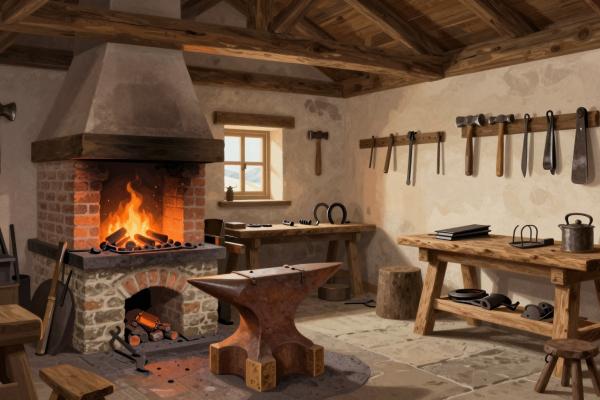
More photos coming soon
Nearby Attractions
Other places to visit in Dovje
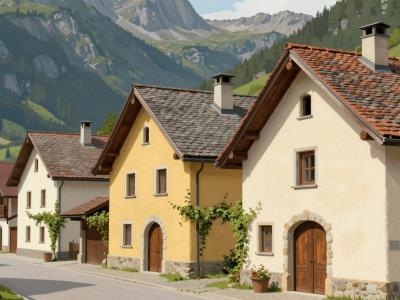
Historic Alpine architecture (including semi-circular doors on farmhouses)
Traditional Alpine farmhouses with semi-circular doors
Cultural Experiences · History & Heritage
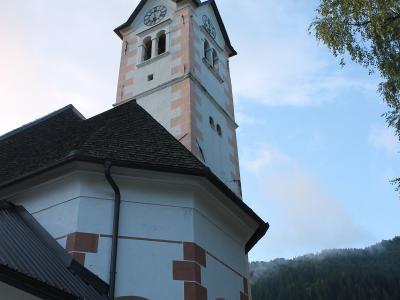
St. Michael's Church
14th-century church with Gothic and neo-Renaissance elements
Churches · Historic Towns
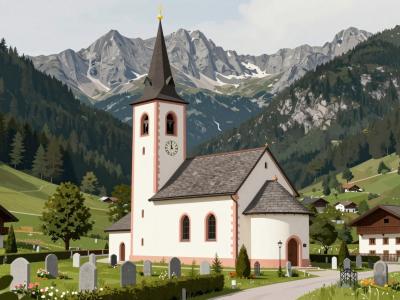
Cemetery near St. Michael's Church
Cemetery of Triglav mountaineers by St. Michael's Church
History & Heritage · Natural Wonders
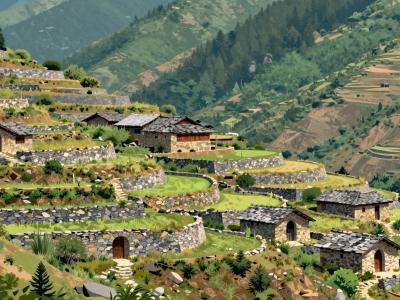
Terraced fields and semi-circular doors in historic Alpine architecture
Terraced fields and semi-circular doors in Alpine Dovje
Hiking Trails · Hills & Valleys
Questions people ask
Quick Facts
Best Time to Visit
June to September offers warm weather for hiking, cycling, and mountain activities; spring and autumn are mild and scenic, winter is ideal for snow sports.
Book your stay