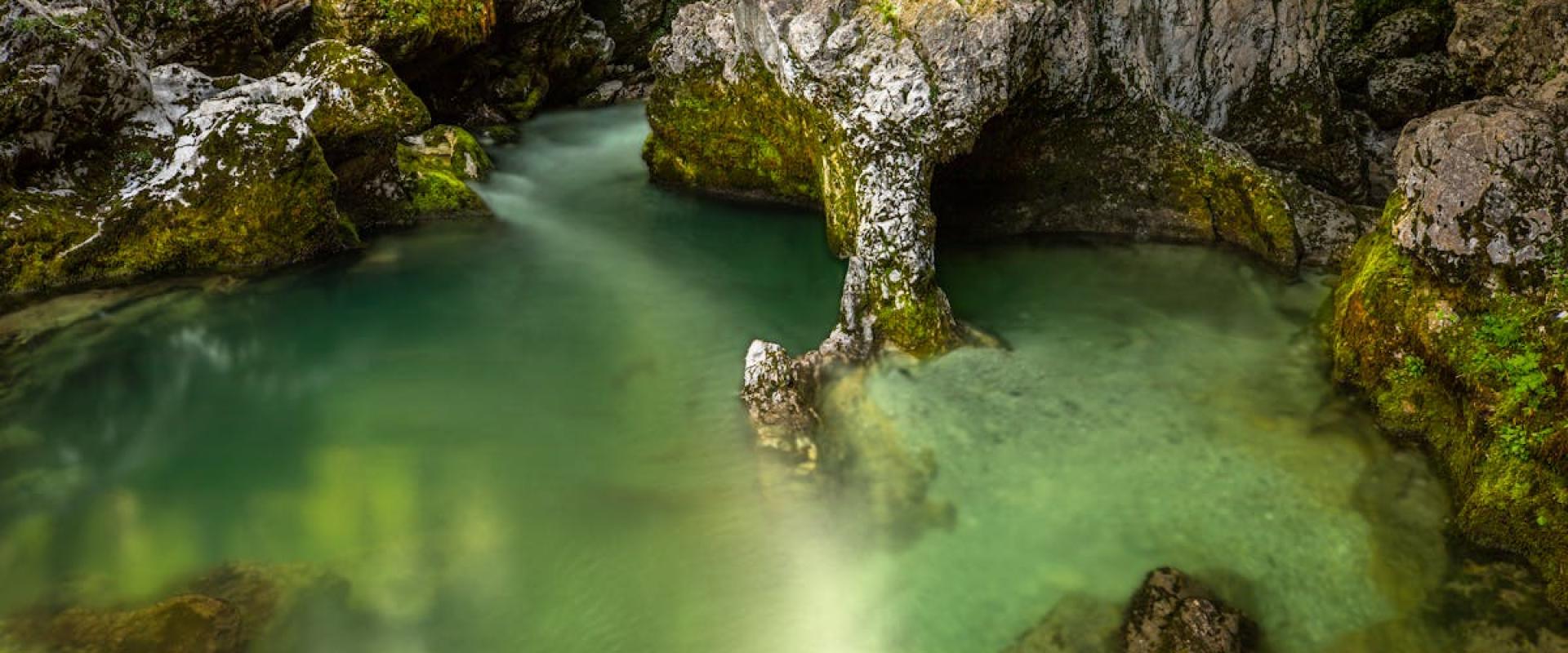
Stara Fužina lies in the middle of the Bohinj valley and is a typical Slovenian alpine village that combines tradition, natural beauty and outdoor adventure. Its name, meaning Old Ironworks, points to the village’s roots as a centre of iron smelting, which shaped the local economy for centuries; the Zois family ran ironworks in the Bohinj valley in the eighteenth century. Today Stara Fužina is best known for its lovely position in Triglav National Park, Slovenia’s only national park, and for its closeness to the clear water of Lake Bohinj.
The village has traditional stone and wooden houses, flower-filled balconies and narrow lanes that wind through meadows and pastures. The Alpine Dairy Museum, in a former cheese dairy, gives fascinating insights into the region’s pastoral heritage, with tools, photographs and stories of Bohinj’s cheese-making tradition. The Church of St. Paul, with medieval frescoes in a peaceful setting, is another sign of the village’s long history. The eighteenth-century bridge built by Baron Žiga Zois, known as the Devil’s Bridge (Hudičev most), is a remarkable piece of old engineering, and a newly designed square in the village has become a lively gathering place for summer events.
Stara Fužina’s main draw is its access to some of the most impressive natural attractions in Slovenia. The Mostnica Gorge, a short walk from the village centre, is a dramatic canyon cut by the turquoise Mostnica River. Wooden bridges and well-kept trails let visitors explore the narrow passages, waterfalls and unusual rock formations of the gorge, including the famous 'Little Elephant' rock. The path continues to the Voje Valley, a calm alpine meadow dotted with traditional hayracks and mountain huts. The gorges and geological formations of the area give plenty to see for a full morning’s walk.
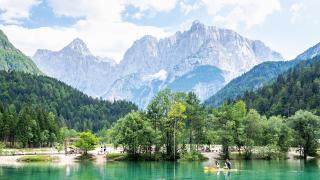
Lake Bohinj, only a few minutes’ walk from Stara Fužina, is the largest permanent lake in Slovenia and a haven for swimming, kayaking, paddleboarding and fishing in summer. Its clear water reflects the surrounding mountains and makes a beautiful backdrop for outdoor activity or simple rest on the grassy shores. The Savica Waterfall, one of Slovenia’s best-known natural landmarks, is easily reached by a scenic drive or bike ride, followed by a short walk through the forest.
For adventure, the Vogel Ski Center offers skiing and snowboarding in winter and cable car rides, hiking and mountain biking in summer. The area is crossed by marked trails for all levels, from gentle lakeside strolls to demanding ascents into the Julian Alps, and hiking along well-kept paths is one of the best ways to see the landscape. The Devil’s Bridge, an arched stone bridge over the Mostnica, is a favourite for photographers.
Stara Fužina’s place within Triglav National Park supports sustainable tourism and the protection of local traditions. Visitors can stay in family-run guesthouses, eco-lodges or campsites and enjoy hearty Slovenian food in local inns. The village has two small shops, a Mercator supermarket and Trgovina Krpan, for supplies, and a cafe for a stop. It hosts seasonal festivals and cultural events that celebrate everything from alpine dairy farming to folk music and crafts.
Getting to Stara Fužina is straightforward by car or public bus from Bled (about 30 km) or Ljubljana (about 80 km). The village is compact and easy to explore on foot or by bicycle, with rental options for those who want to go farther.
The best time to visit is May to October, when the weather is mild and suits hiking, swimming and outdoor exploration. Spring and early autumn offer fewer crowds and vivid colours, while winter turns the landscape into a snowy scene good for skiing and snowshoeing.
Practical tips: start the Mostnica walk early to avoid crowds, wear shoes with good grip on the wet boardwalks and bring a light jacket, since the gorge is cool even on hot days. In the evening the village is quiet, and the new square, a cafe and the small shops give all that most visitors need after a day on the trails.
With its mix of alpine tradition, fine scenery and endless chances for adventure, Stara Fužina is a rewarding stop in Slovenia’s Julian Alps.
Best time to visit
May to October offers mild weather for hiking, lake activities, and exploring gorges; winter is ideal for skiing and snow sports in the surrounding area.
What to see in Stara Fužina
Our picks first.
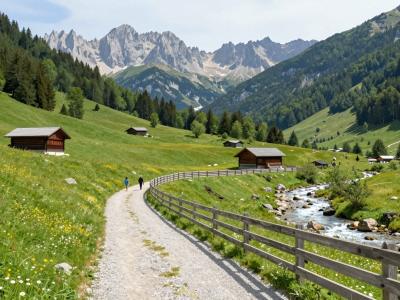
Hiking along well-maintained paths
Well-maintained trails through Triglav National Park
Hiking Trails · Mountains
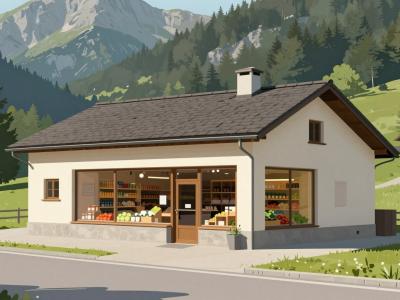
Trgovina Krpan
Local convenience store near Triglav National Park
Activities & Adventure · Food & Gastronomy
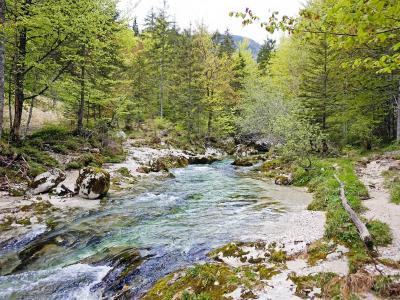
Gorges
Alpine river gorge with rapids and waterfalls
Natural Wonders · Geological Sites
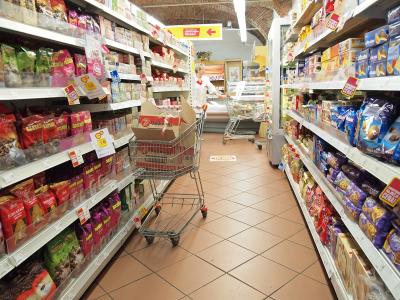
Mercator
Historic Mercator store in Stara Fužina village
Hiking Trails · Lakes & Rivers
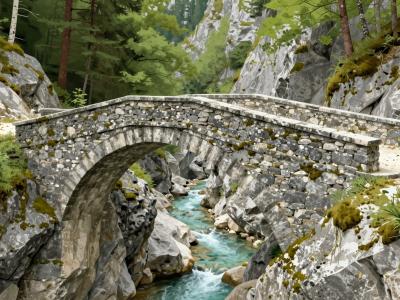
18th-century bridge built by Baron Žiga Zois
18th-century stone arch bridge for mining transport
History & Heritage · Natural Wonders
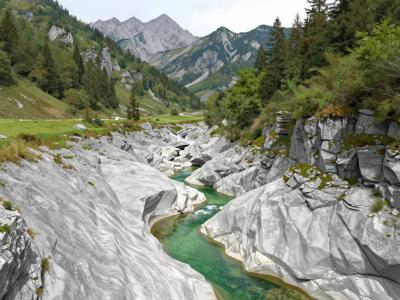
Geologic formations
Karst limestone formations near Triglav peak
Natural Wonders · Hiking Trails
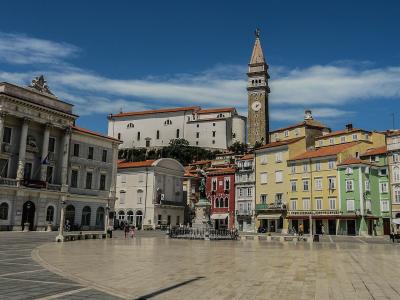
Newly designed square for summer events
Summer events square with live music and crafts
Festivals · Local Markets
Stara Fužina by interest
The same sights, grouped by what you came for.
Did you know?
Checked facts about Stara Fužina, each with its source.
-
Sports
Stara Fužina Has Another Verifiable Detail
Stara Fužina serves as a gateway to the Mostnica Gorge, Savica Waterfall, and the Vogel Ski Center, making it a year-round destination for hikers, cyclists, skiers, and nature lovers.
Source: Mostnica Gorge: Complete Hiking Guide - Lake Bohinj, Slovenia (2026)
Planning a visit to Stara Fužina
Itineraries that include Stara Fužina
Good to know
- Currency
- EUR
- Language
- Slovene

Questions people ask
More places in Bled & Bohinj
Bled & Bohinj
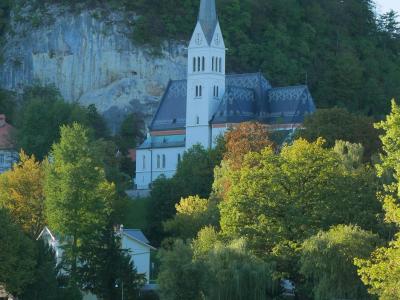
Lake Bled
Iconic glacial lake with island church and castle views
Bled & Bohinj
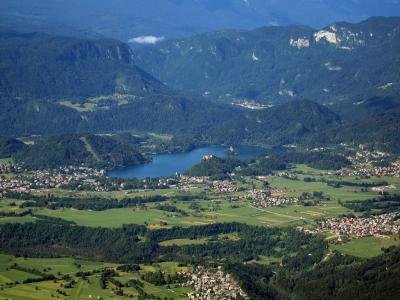
Bled
Alpine lake, island church, and medieval castle views
Bled & Bohinj
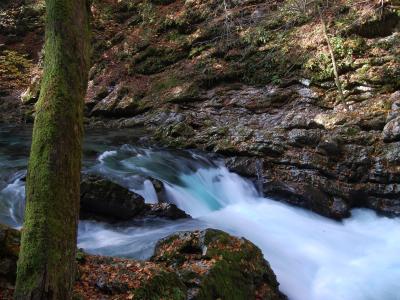
Soteska Vintgar
Spectacular gorge with wooden walkways and waterfalls
Bled & Bohinj
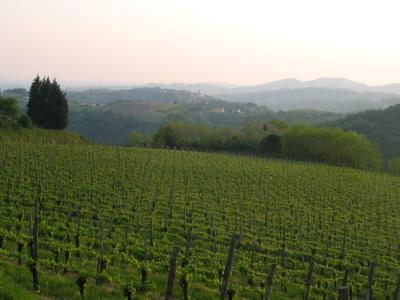
Goriška Brda
Slovenia's primary wine region with rolling vineyards