
- Where
- Stara Fužina, Bled & Bohinj
- Directions
- Directions
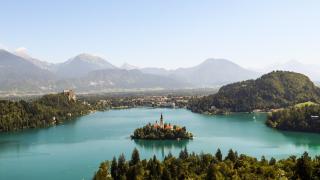
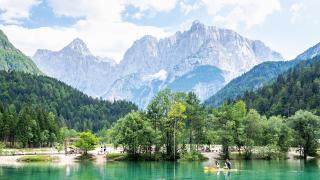
Stara Fužina sits in the Bohinj basin, in the Julian Alps within Triglav National Park, and the rocks and landforms around the village tell a long geological story. The Julian Alps are built mostly of limestone and dolomite laid down in warm Triassic seas more than two hundred million years ago, then folded, broken and lifted when the African and European plates pressed together to raise the Alps. Later, ice shaped the details. In the cold periods of the last two million years, glaciers filled the valleys of the Julian Alps, and the Bohinj glacier, one of the largest in the range, scoured out the basin where the lake and the villages now lie. The result is a landscape in which solid rock, glacial valleys and river-cut gorges sit side by side.
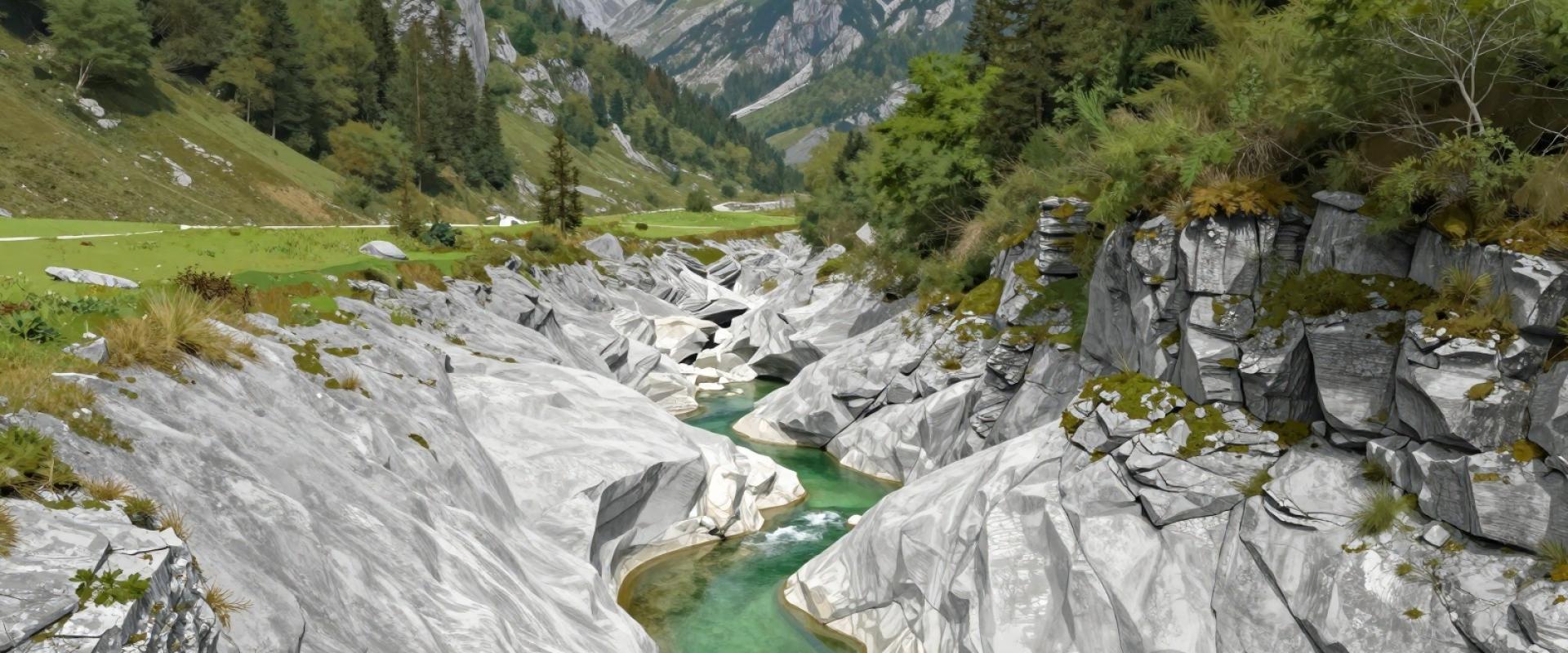
The most accessible place to see this is the Mostnica Gorge, which begins at the edge of Stara Fužina. The river has cut a narrow, winding passage through limestone, producing smooth walls, deep potholes where swirling stones have drilled round hollows, small cascades and a natural stone arch known as the Devil's Bridge. The pale rock, often polished by water, shows banding and veins that record changes in the ancient sea floor, and the sound and spray of the river make the geology feel alive. Wooden walkways and bridges allow visitors to look closely without damaging the formations. Beyond the gorge, the path opens into the Voje Valley, where the shape of the land, a broad U-shaped trough, is a sign of glacial work.
The Bohinj valley as a whole is a classic example of a glaciated valley. Its flat floor, steep sides and rounded outlines were shaped by moving ice, and ridges of rubble called moraines, left where the glacier stopped or melted, help to hold back the water of the lake. Meadows and forests now cover the valley bottom, and the fertile soil comes from sediments laid down at the end of the ice age. Above the village, the high limestone plateaus of the Triglav massif show a different kind of terrain, karst, where rain dissolves the rock and water disappears underground, producing sinkholes, fissures and caves. The famous Savica waterfall, which pours out of a cave at the head of the valley, is part of the same system.
Information boards along the popular paths explain what can be seen, and local guides sometimes lead walks that focus on geology. The best places to look are the gorge, the walls beside the paths and the exposed rock near the lake.
The area suits curious walkers, families and photographers, and a basic understanding of the rock adds greatly to the enjoyment of a walk. Wear shoes with good grip, since wet limestone is slippery, and check the weather before setting out.
Categories
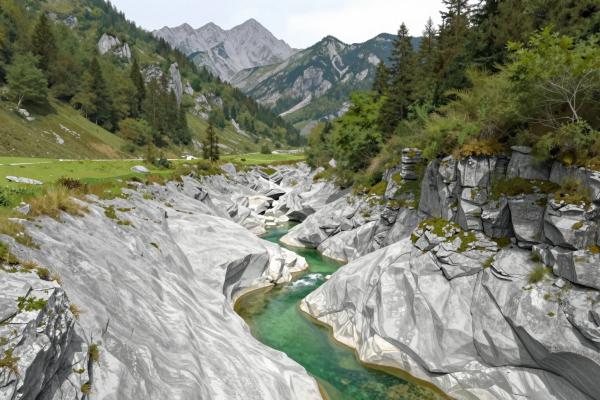
More photos coming soon
Nearby Attractions
Other places to visit in Stara Fužina
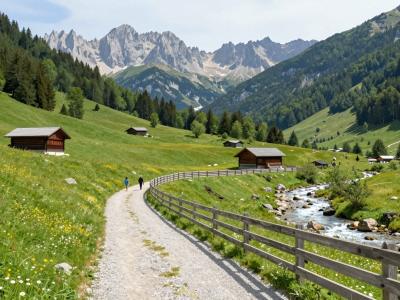
Hiking along well-maintained paths
Well-maintained trails through Triglav National Park
Hiking Trails · Mountains
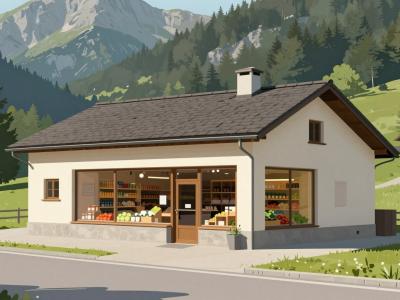
Trgovina Krpan
Local convenience store near Triglav National Park
Activities & Adventure · Food & Gastronomy
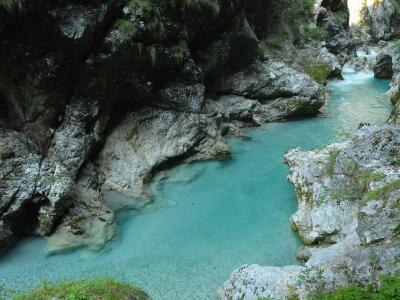
Gorges
Alpine river gorge with rapids and waterfalls
Natural Wonders · Geological Sites

Mercator
Historic Mercator store in Stara Fužina village
Hiking Trails · Lakes & Rivers
Questions people ask
Quick Facts
Best Time to Visit
May to October offers mild weather for hiking, lake activities, and exploring gorges; winter is ideal for skiing and snow sports in the surrounding area.
Book your stay