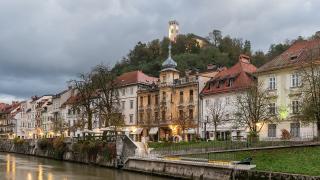
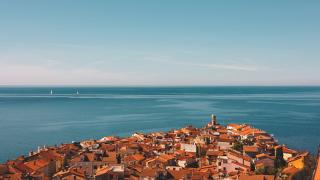
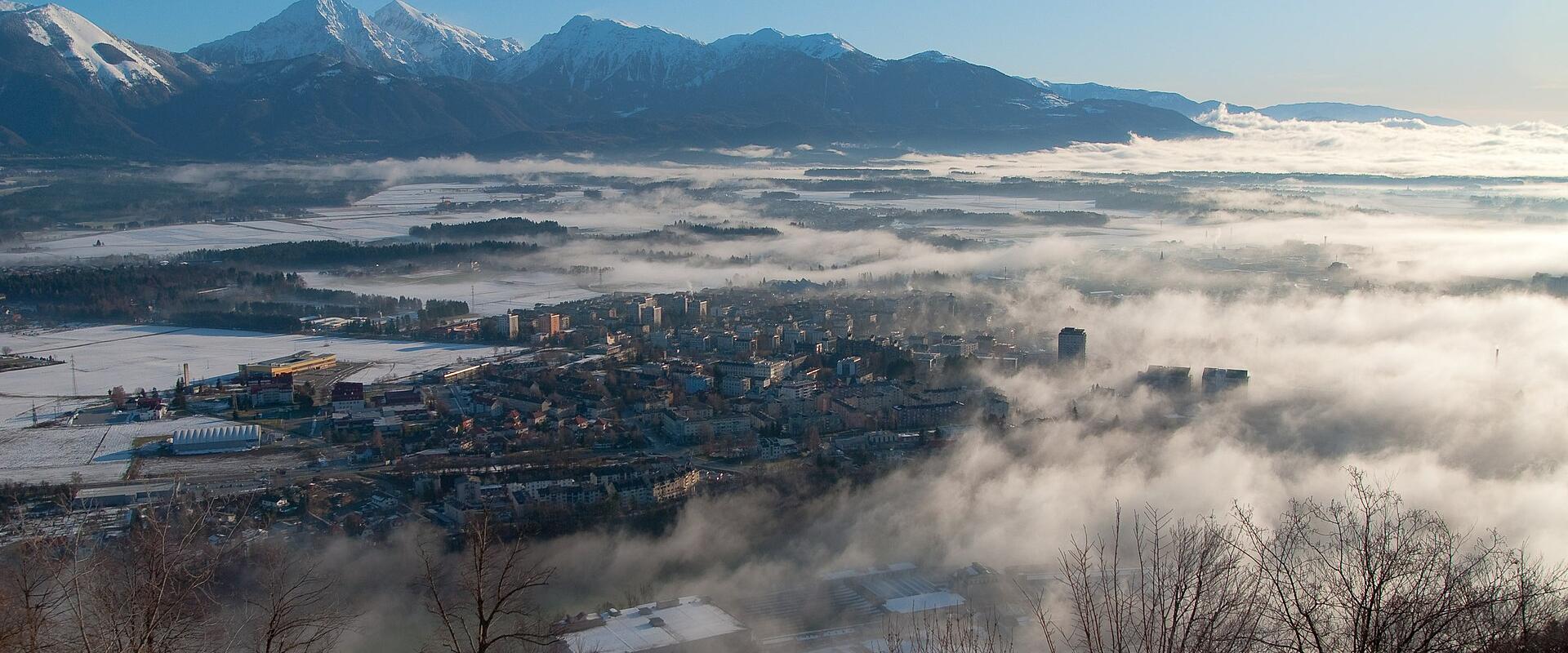
Kranj is a city that combines historical charm with natural beauty, which makes it one of Slovenia’s most interesting destinations. It lies about 20 kilometres northwest of Ljubljana and close to the famous Lake Bled, and it is the cultural and economic centre of the Upper Carniola (Gorenjska) region. Its position at the meeting point of the Sava and Kokra rivers has shaped its history and development for centuries.
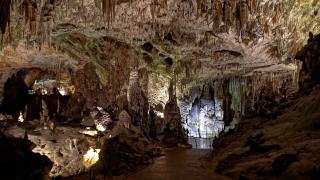
The roots of Kranj go back to Roman times, when it was known as Carnium. Over the centuries the city flourished as a medieval trading post and later as a centre of Slovenian national identity. The old town reflects this past, with narrow cobbled streets, well-kept townhouses and important landmarks. One of its most unusual features is the network of tunnels beneath the old town, built as air-raid shelters during World War II. Today the tunnels are open to visitors, with guided tours on the city’s wartime history and geology.
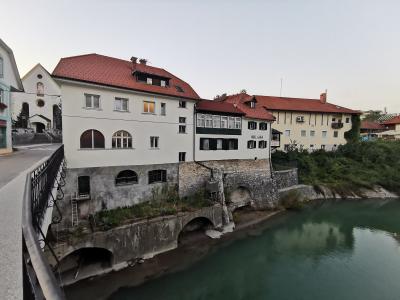
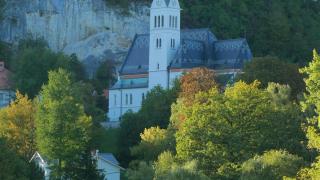
Among Kranj’s main attractions is Brdo Castle, a Renaissance estate with parks and woodland, once the residence of Yugoslav and Slovenian presidents and now used for state events and open for guided tours. Khislstein Castle (Kieselstein), above the Kokra River, houses the Gorenjska Museum, which shows the region’s art, archaeology and ethnography. The Parish Church of St. Cantianus and the Gothic Church of Saint Kancijan, with its ossuary, are the centrepiece of the old town, with striking Gothic architecture and frescoes, while the Špital Tower and the Town Hall add to the city’s architectural interest.
Kranj is also a gateway to outdoor adventure. The city is ringed by marked educational walking trails that show the area’s natural sights, among them the dramatic Kokra River Canyon, which cuts through the city centre. Cycling routes link Kranj with nearby villages, farms and viewpoints such as Jamnik, known for its picturesque church and views of the Julian Alps. The surrounding countryside offers hiking, mountain biking and even paragliding for the more adventurous.
Cultural life in Kranj is lively, with regular festivals, art exhibitions and performances. The Prešeren Theatre is one of Slovenia’s smallest professional theatres but has a high reputation. The city is known for its lively markets, local produce and cooking, which can be sampled in cafes and restaurants. The Gorenjska Museum and the Prešeren House, devoted to France Prešeren, Slovenia’s greatest poet, who lived and worked in Kranj as a lawyer and is buried here, give deeper insight into the region’s literary and artistic heritage.
Getting to Kranj is convenient, since it lies on the main rail and road routes between Ljubljana and the Julian Alps. The city is easy to reach by train or bus from Ljubljana (about 30 minutes), and it is only a short drive from Jože Pučnik International Airport. Kranj’s compact old town is best explored on foot, while public transport and bike rentals make it easy to reach outlying sights.
The best time to visit is late spring to early autumn (May to September), when the weather is warm and suits outdoor activities. Summers are lively with festivals and events, while spring and autumn offer milder temperatures and fewer crowds. Winter brings a quieter charm, with the chance of snow-capped views and cosy cultural experiences.
The old town is also a good place for a slow lunch: cafes and restaurants on the main street serve Gorenjska dishes such as žganci, kranjska klobasa and potica, and several bakeries sell local sweet pastries. After lunch the Kokra canyon path gives a cool walk through a green gorge in the middle of the city, and the viewpoint at Jamnik rounds off an afternoon by bike or car with views toward the Alps.
In summary, Kranj is a city that rewards exploration and offers history, culture and nature in one compact place. Delving into the underground tunnels, admiring the castles or setting out on alpine adventures, visitors find an authentic and memorable Slovenian experience, and the city makes a useful and pleasant stop on the way to Bled, Bohinj and the mountains.
Best time to visit
May to September offers warm weather and ideal conditions for exploring Kranj’s historic sites and outdoor attractions.
What to see in Kranj
Our picks first.
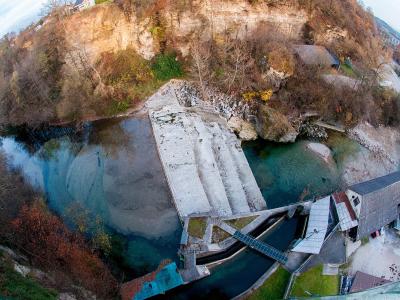
Kokra River Canyon
Second deepest urban gorge in Europe
Natural Wonders · Cycling Routes
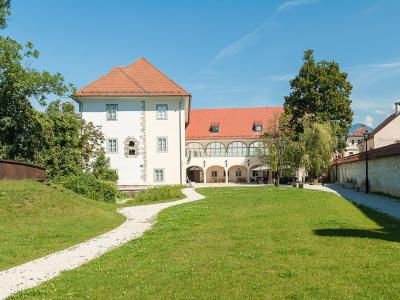
Khislstein Castle
Historic castle housing Gorenjska Museum and cultural events
Cultural Experiences · History & Heritage
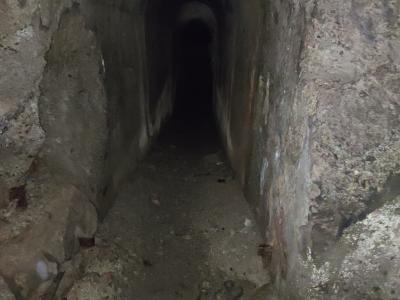
Underground Tunnels
World War II tunnels with rare cave formations
History & Heritage · Urban Exploration
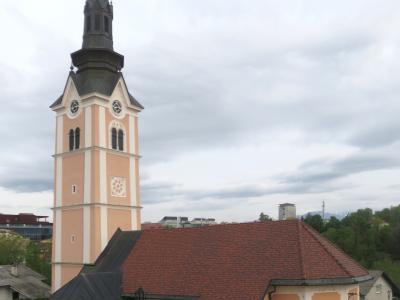
Gothic Church of Saint Kancijan and Ossuary
Gothic church and ancient ossuary in Kranj
Churches · Historic Towns
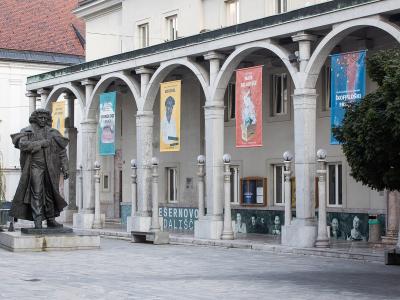
Prešeren Theatre Kranj
Slovenia's smallest professional theatre
Cultural Experiences · History & Heritage
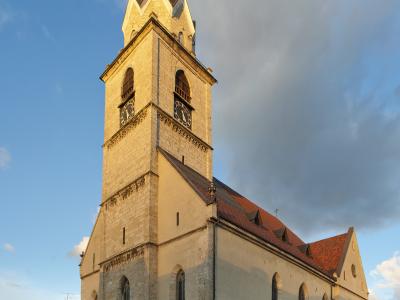
St. Kancijan's Church
15th-century Gothic church with panoramic Alpine views
Churches
Kranj by interest
The same sights, grouped by what you came for.
Did you know?
Checked facts about Kranj, each with its source.
-
History
Kranj Preserves Medieval Heritage
Known as the capital of the Slovenian Alps, Kranj boasts a charming old town with medieval architecture, lively squares, and a rich cultural scene.
Source: Kranj - Wikipedia
Planning a visit to Kranj
Itineraries that include Kranj
Good to know
- Currency
- EUR
- Language
- Slovene
Quick Facts
Book your stay