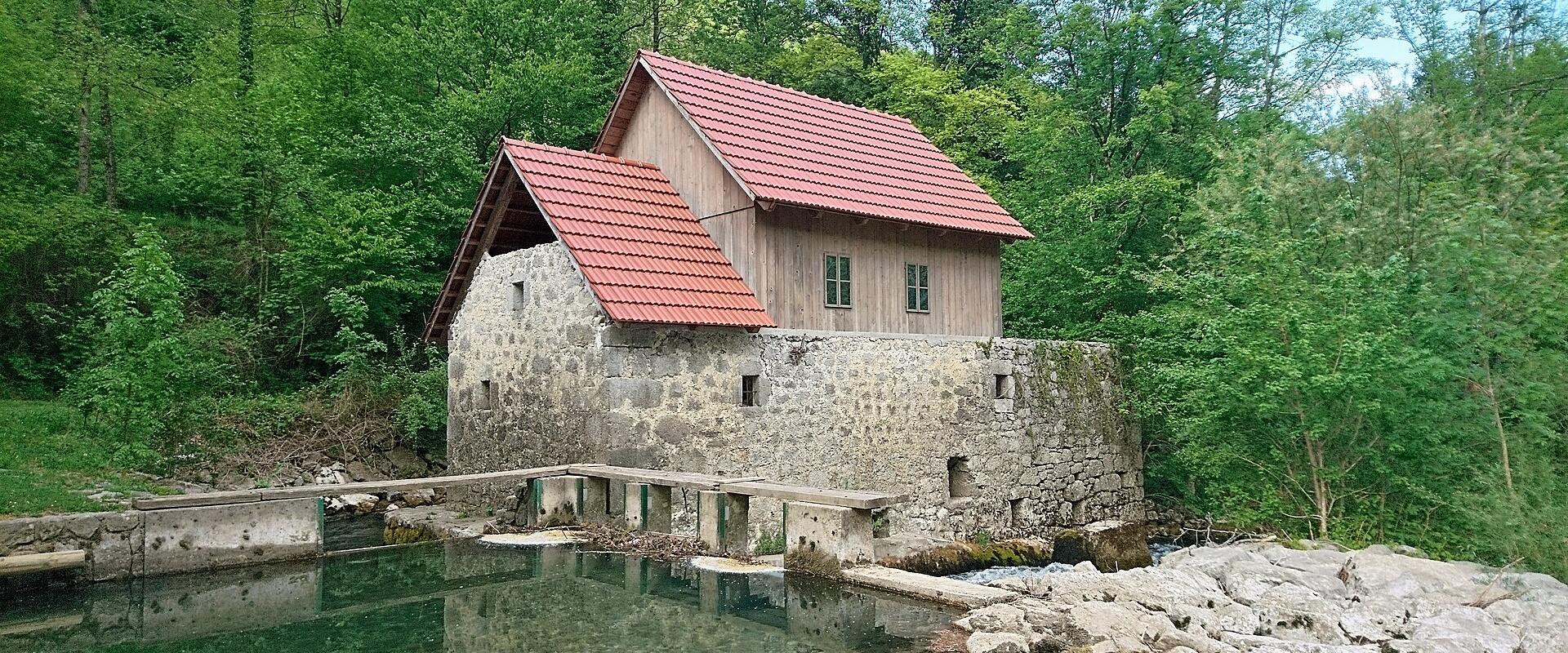
The Kolpa River, known as the Kupa in Croatian, is one of Slovenia’s best-loved natural assets. It runs for 297 kilometres in total, with about 118 kilometres forming the border between Slovenia and Croatia, and it winds through the Bela Krajina region in the south of the country. Its history is bound up with the communities on its banks, who have used the river for transport, fishing and farming for centuries. Today the Kolpa is celebrated as Slovenia’s warmest and cleanest river, and it attracts visitors from across the country and beyond.
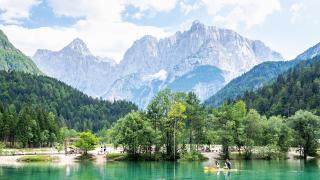
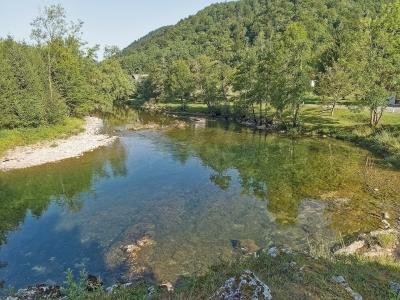
The main attractions are the clear water and the varied landscape it passes through. In summer the Kolpa becomes a playground for swimmers, with water temperatures often reaching a comfortable 25 to 30 degrees. Many well-kept campsites and bathing places line the river, which makes access easy for families and groups. Canoeing, kayaking and stand-up paddleboarding are popular ways to explore the gentle current, with rental centres and guided tours in towns such as Metlika and Črnomelj. The river is also good for fishing, with trout, grayling and other freshwater fish.
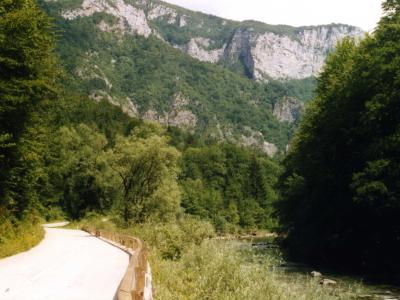
Nature lovers will find much to enjoy. The banks are home to a wide range of plants and animals, including rare birds, otters and beavers. Marked walking and cycling trails follow the river through meadows, forest and vineyards. The Kolpa Landscape Park protects much of the upper course, preserving its ecosystems and offering educational trails and viewpoints for wildlife watching. Early morning and evening are the best times to see kingfishers, herons and, with patience, signs of beavers.
Cultural experiences abound in the villages along the Kolpa. Bela Krajina is known for its distinctive folk traditions, white birch woods and lively festivals, and visitors can explore the old town of Metlika, the Museum of Bela Krajina and wine cellars with tastings of regional specialities. Traditional crafts, music and food such as pogača (flatbread) and local wines are highlights of any trip. The hospitality of the region is well known, with many family-run guesthouses and farm stays offering home-cooked meals and stories of river life.
Getting to the Kolpa is straightforward by car, with good road connections from Ljubljana, Novo Mesto and other regional centres. Public transport options are available to larger towns, but a car is recommended for exploring the more remote stretches and reaching campsites and activity providers. The area suits slow travel, with chances to linger in riverside villages, picnic on the banks or set out on multi-day paddling or cycling trips.
Practical tips: bring water shoes, since some banks are stony, and sun protection for the open stretches. Booking canoes ahead is wise in July and August, and many campsites also hire out bikes, which makes it easy to combine a morning paddle with an afternoon ride along the river road.
The best time to visit is late spring to early autumn, when the weather is warm and the river is at its most inviting. May, June and September offer pleasant temperatures and fewer crowds, while July and August are the peak months for swimming and water sports. Autumn brings colourful foliage and harvest festivals, adding charm to the region. Whatever the season, the Kolpa’s mix of natural beauty, outdoor activities and cultural richness makes for a restful visit, and it is easy to combine with Metlika, Adlešiči and Vinica along the way.
Best time to visit
June to September offers warm water, sunny weather, and ideal conditions for swimming, paddling, and enjoying Kolpa’s riverside camps and villages.
What to see in Kolpa
Our picks first.
Kolpa by interest
The same sights, grouped by what you came for.
Planning a visit to Kolpa
Itineraries that include Kolpa
Good to know
- Currency
- EUR
- Language
- Slovene

Questions people ask
More places in Bela krajina
Bela krajina
Bela Krajina
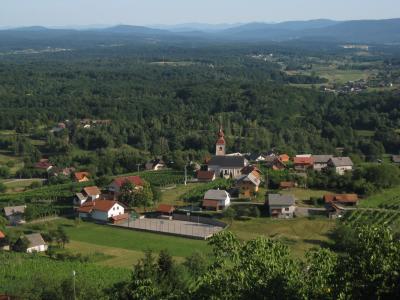
Vineyards, Kolpa River, and vibrant folk traditions
Bela krajina
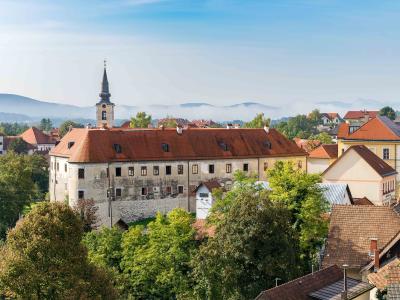
Metlika
Wine town with riverside castle, museums, and Kolpa access
Bela krajina
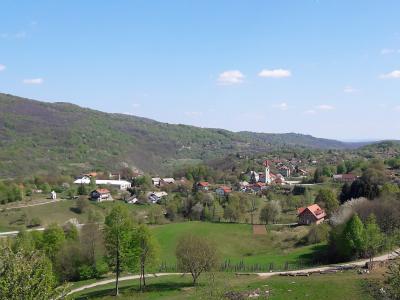
Adlešiči
Riverside village with folk traditions and Kolpa access
Bela krajina
Semič
Wine country village with river springs and cultural trails