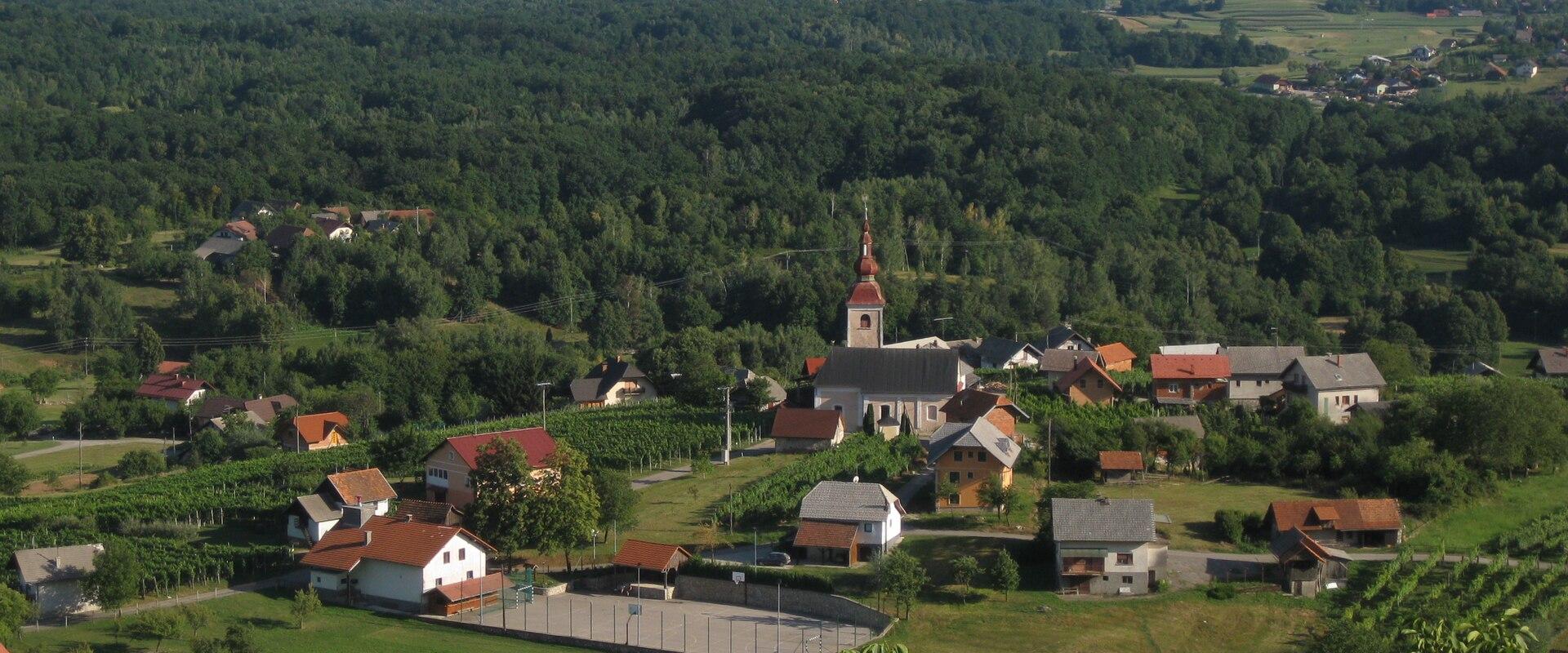
Bela Krajina, also known as White Carniola, is a corner of southeastern Slovenia that charms visitors with its blend of nature, history and tradition. The region’s name is thought to come from the white birch trees that dot the landscape and from the white costumes traditionally worn by its people. Historically Bela Krajina has been a crossroads of cultures, shaped by centuries of migration, trade and borderland influences from neighbouring Croatia. This heritage shows in its architecture, folklore and food.
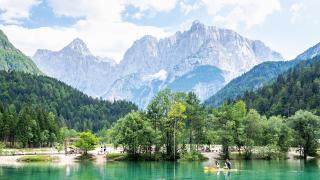
The Kolpa River is the lifeblood of Bela Krajina, running along the southern border and offering many chances for recreation. The clean, emerald water suits swimming, kayaking, canoeing and fishing. In summer the Kolpa becomes a playground, with riverside campsites and picnic areas drawing families and adventurers. The banks are lined with forests and meadows that provide habitat for wildlife and a calm setting for rest.
Vineyards and wine culture are central to Bela Krajina’s identity. The rolling hills are covered with vines, and local winemakers welcome visitors for tastings of local varieties such as Metliška črnina and Bela krajina white. Wine routes connect villages, where traditional cellars and farms offer homemade honey, cheese and cured meat. The Community Vineyard Cottage of Drašiči, known locally as the Soseska zidanica, shows how neighbours traditionally shared a vineyard cottage for work and celebration. The area is also known for liqueurs and chocolates, with tastings at producers such as Berryshka, and for local honey producers and Oljarna Pekarič, an oil mill that shows how edible oils are made.
Cultural heritage is celebrated throughout the year in lively festivals and events. The Jurjevanje festival in Črnomelj is one of the oldest folklore festivals in Slovenia, with traditional music, dance and colourful costumes. Handicrafts such as embroidery, pottery and woodcarving are kept alive by local artisans, and visitors can learn about them in village workshops and museums. Šokčev Dvor in Žuniči, a preserved open-air museum and traditional farmhouse, gives a view of rural life in the past. The region’s towns, Metlika, Črnomelj and Semič, are rich in history, with medieval churches, castles and charming squares.
Outdoor activities abound. Well-marked hiking and cycling trails cross the countryside, with 25 marked hiking trails and 13 cycling routes leading through forests and vineyards and along the Kolpa. Kayaking and rafting are popular on the river, while the gentle terrain makes the region accessible for all ages and fitness levels. Protected areas such as the Lahinja Landscape Park, also called Lahinja Regional Park, offer birdwatching and a chance to see rare plants.
Getting to Bela Krajina is straightforward by car from Ljubljana (about 1.5 hours) or Zagreb, Croatia. Public transport includes regional buses and trains to the main towns. Accommodation ranges from riverside campsites and guesthouses to boutique hotels and farm stays, for every kind of traveller.
Because distances are short, a few days are enough to link the main sights: a morning on the river, a visit to a vineyard cottage and cellar, a folk-art workshop in the afternoon and a long dinner of pogača, lamb and local wine. It is one of the least crowded parts of Slovenia’s countryside, and the quiet is part of its appeal.
Seasonal advice: the best time to visit is April to October, when the weather is warm and the region’s natural beauty is at its peak. Spring and early summer are good for outdoor activities and festivals, while autumn brings grape harvests and colourful foliage. Winters are quiet and peaceful, with chances for cosy retreats and exploring local culture. Whatever the season, Bela Krajina’s welcoming spirit and varied attractions make for a memorable stay, and the individual towns and villages in this guide are the best way to plan one.
Best time to visit
April to October offers warm weather, vibrant festivals, and ideal conditions for river activities, hiking, and exploring the countryside.
What to see in Bela Krajina
Our picks first.
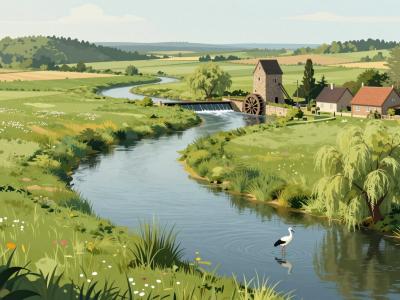
Lahinja Regional Park
Diverse ecosystems along the Lahinja River
Activities & Adventure · History & Heritage
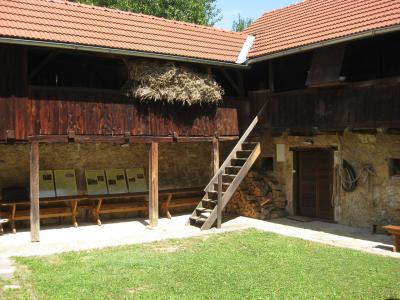
Šokčev Dvor in Žuniči
Traditional Serbian farmhouse in Kolpa Park
Guided Tours · Historic Houses
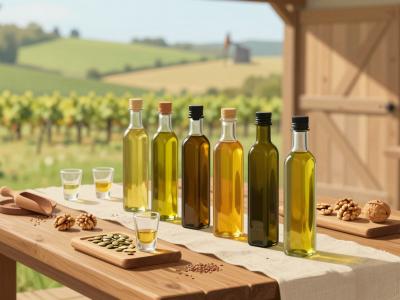
Oljarna Pekarič
Olive oil tastings with 20+ varieties in Bela Krajina
Cultural Experiences · Food & Gastronomy
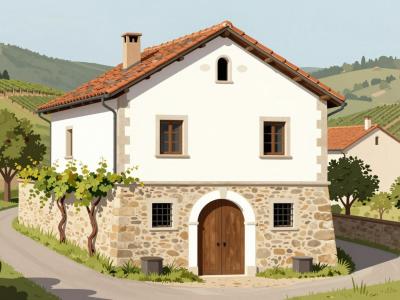
Community Vineyard Cottage of Drašiči
17th-century community wine cellar in Bela Krajina
Cultural Experiences · Historic Houses
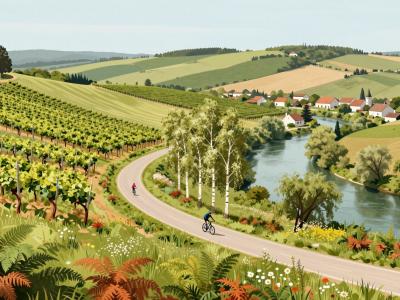
13 cycling routes of Bela Krajina
13 diverse cycling routes through Bela Krajina’s rivers a...
Cycling Routes · Hills & Valleys
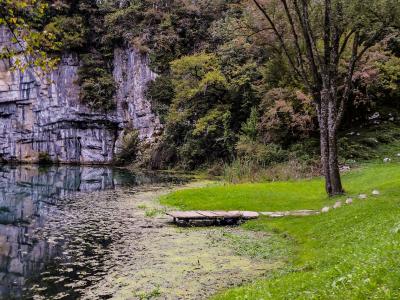
25 marked hiking trails
25 marked trails through Bela Krajina’s diverse landscapes
Hiking Trails · Hills & Valleys
Bela Krajina by interest
The same sights, grouped by what you came for.
Planning a visit to Bela Krajina
Itineraries that include Bela Krajina
Good to know
- Currency
- EUR
- Language
- Slovene

Questions people ask
More places in Bela krajina
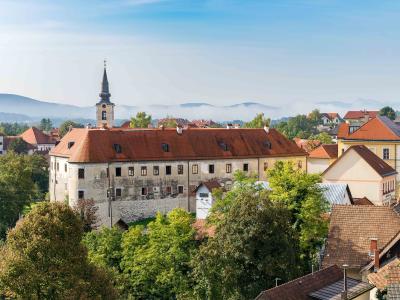
Bela krajina
Metlika
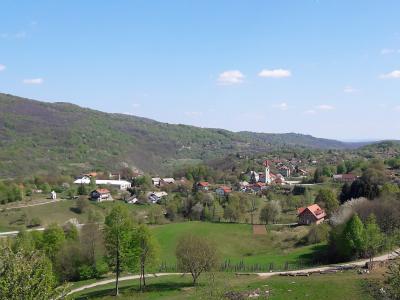
Wine town with riverside castle, museums, and Kolpa access
Bela krajina
Adlešiči
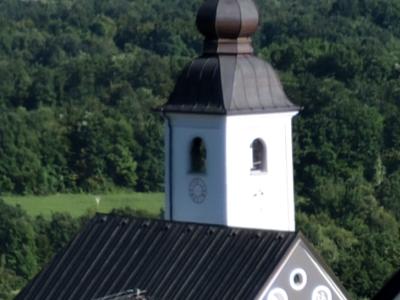
Riverside village with folk traditions and Kolpa access
Bela krajina
Semič
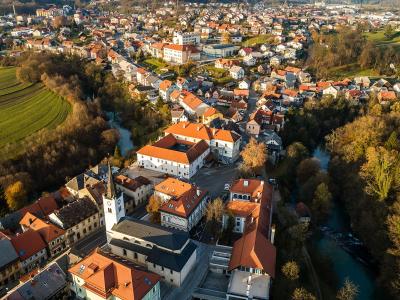
Wine country village with river springs and cultural trails
Bela krajina
Črnomelj
Riverside town with parks, heritage, and natural beauty