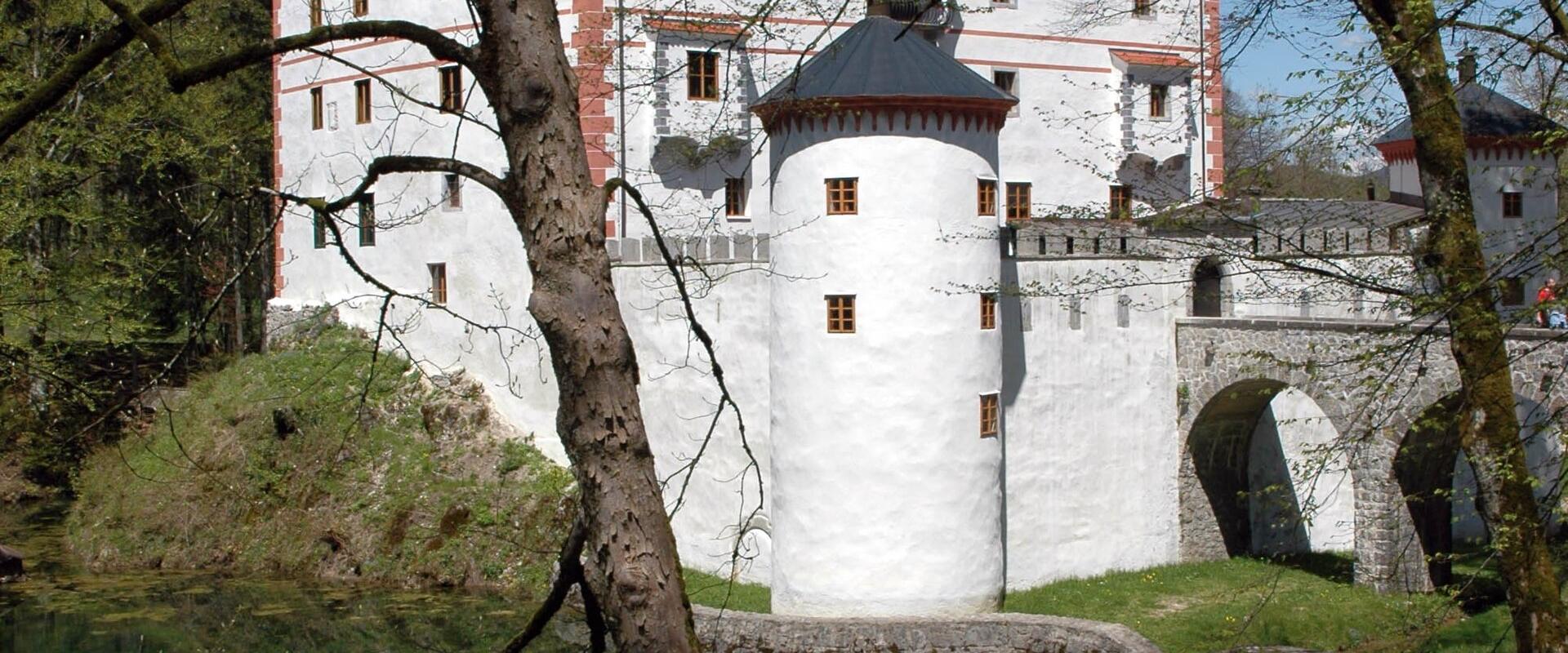
Grad lies in the gentle hills of the Goričko area in Prekmurje, in the far northeast of Slovenia, close to the borders with Austria and Hungary. It is a village that combines history, culture and pastoral charm. The name means castle in Slovene, and it describes its most prominent feature: Grad Castle, a large fortress that dominates the landscape. Built in the twelfth century, it is the largest castle complex in Slovenia, and local legend says it has 365 rooms, one for each day of the year. Over the centuries the castle was a noble residence, an administrative centre and a defensive stronghold, and it saw medieval times, the Habsburg era and the modern age.
Today Grad Castle is partly restored and open to visitors, giving a glimpse of the region’s past. It has exhibitions on local history, crafts and folklore, as well as interactive displays for children. Guided tours lead through grand halls, corridors and courtyards, and events and workshops bring the site to life through the year. The castle park, with old trees and paths, is good for walks and picnics, and the landscape around it is dotted with traditional farmhouses, vineyards and wildflower meadows. The scale of the building means that you should allow at least two hours for a proper visit.
Beyond the castle, the village and the wider Goričko Nature Park offer many outdoor activities. Marked hiking and cycling trails run through forests, fields and gentle hills, with chances for birdwatching, photography and wildlife. The region is known for its biodiversity, with rare plants and animals thriving in a mosaic of habitats. Visitors can also reach nearby attractions such as Bukovnica Lake, the energy points of Vidonci and the villages of Goričko, each with its own traditions and food. Vulkanija Adventure Park is a lively option for families and school groups.
Wine is an important part of the local scene. Winery Marof, in the hills of Mačkovci, and Weinhof Platzer both welcome visitors for tastings, and the Gesamtsteirische Vinothek presents wines from across the wider Styrian region in one place. Posestvo Gjerkes, in the village of Rogašovci, is a quiet rural estate that adds another stop to a wine and farm route.
Cultural experiences in Grad follow the rhythms of rural life. Local festivals, craft fairs and seasonal celebrations show off folk music, dance and local products. The food is hearty and flavourful, with dishes such as bograč (meat stew), homemade bread and Prekmurska gibanica (layered pastry), and pumpkin seed oil from the nearby presses. Many farms and guesthouses welcome visitors for tastings and farm meals, a warm introduction to Prekmurje hospitality.
Getting to Grad is straightforward by car, with good road connections from Murska Sobota, Lendava and other regional centres. Public transport options are available but limited, so a car is recommended for exploring the area in depth. The village is compact and easy to explore on foot, with most attractions within walking distance.
The best time to visit is late spring to early autumn, when the weather is mild and the countryside is at its most vibrant. May, June and September offer pleasant temperatures and fewer visitors, while summer brings lively festivals and outdoor activities. Autumn is especially beautiful, with colourful foliage and harvest celebrations. Whatever the season, Grad’s mix of history, rural charm and natural beauty makes for an enriching visit.
Best time to visit
May to September offers mild weather, blooming countryside, and ideal conditions for exploring Grad Castle, village trails, and outdoor activities.
What to see in Grad
Our picks first.
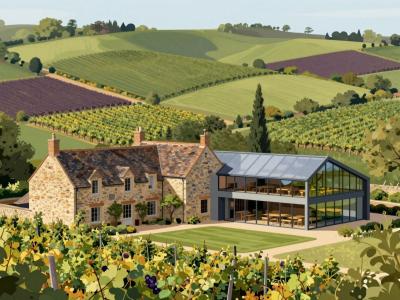
Winery Marof
Traditional Slovenian winery with modern cellar
Culinary Tours · Hills & Valleys
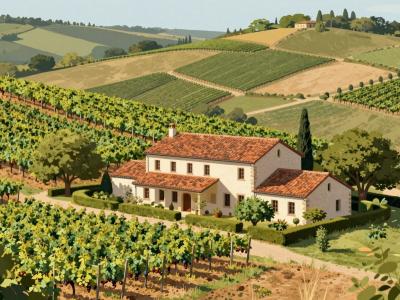
Weinhof Platzer
Traditional winery in Slovenia's Prlekija region
Guided Tours · Hills & Valleys
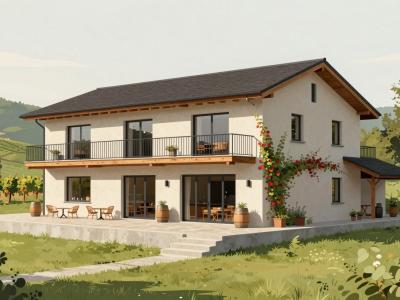
Posestvo Gjerkes
Adults-only farm stay with vineyard views and local cuisine
Activities & Adventure · Food & Gastronomy
Grad by interest
The same sights, grouped by what you came for.
Planning a visit to Grad
Itineraries that include Grad
Good to know
- Currency
- EUR
- Language
- Slovene

Questions people ask
More places in Prekmurje
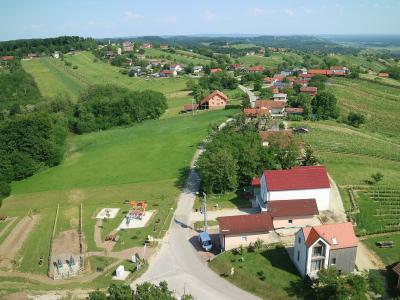
Prekmurje
Prekmurje
Rolling plains, thermal spas, and unique regional culture
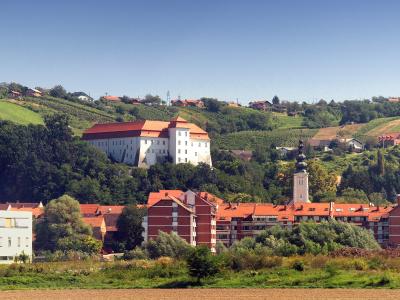
Prekmurje
Lendava
Multicultural town with Vinarium Tower and castle museum
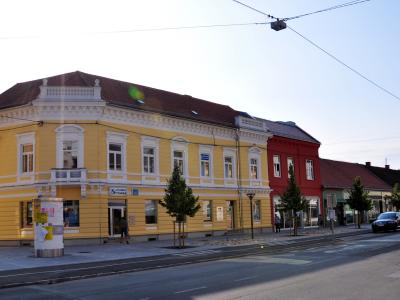
Prekmurje
Murska Sobota
Regional hub with castle, lakeside park, and museums
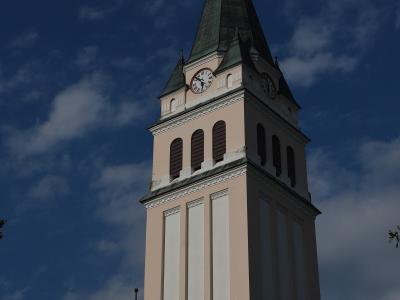
Prekmurje
Moravske Toplice
Thermal spa town with wellness resorts and golf courses