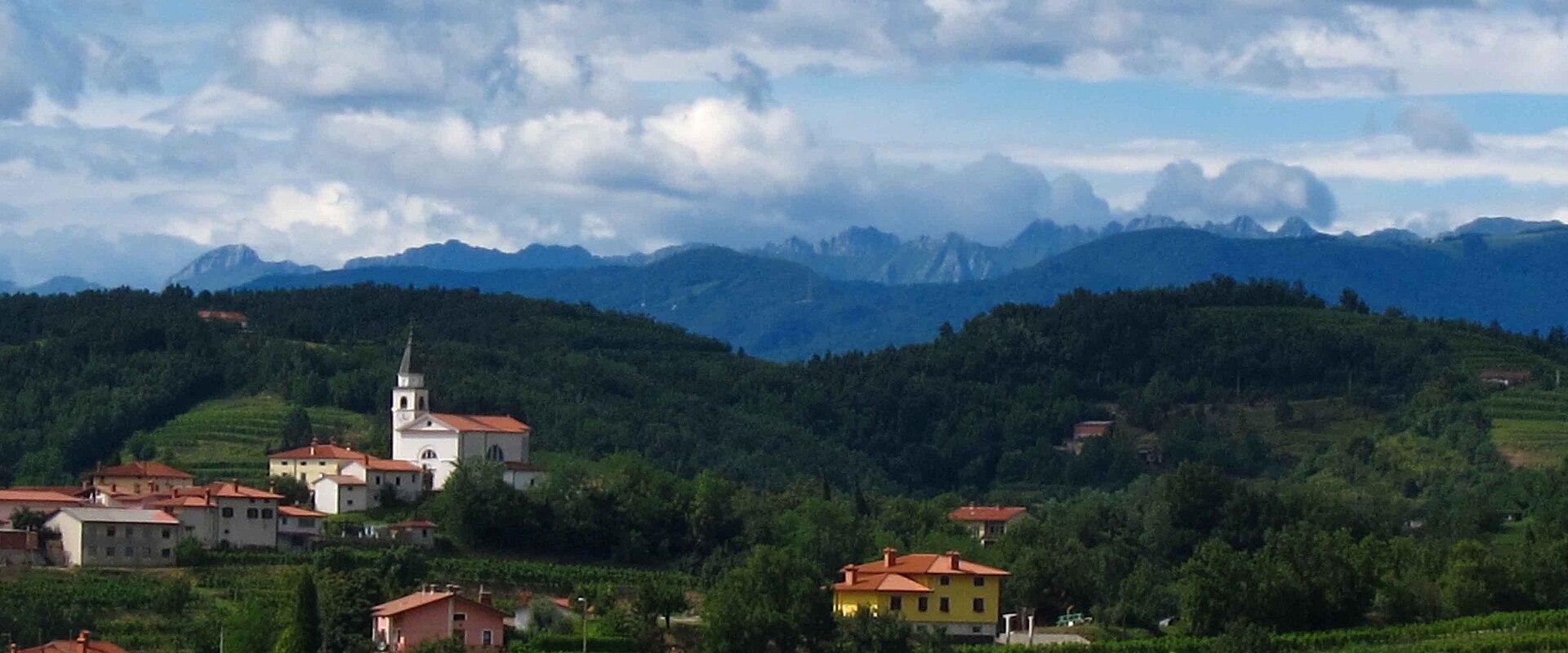
Vineyards of Goriška Brda
Rolling vineyards and historic villages in Slovenia
- Where
- Goriška Brda, Bled & Bohinj
- Directions
- Directions
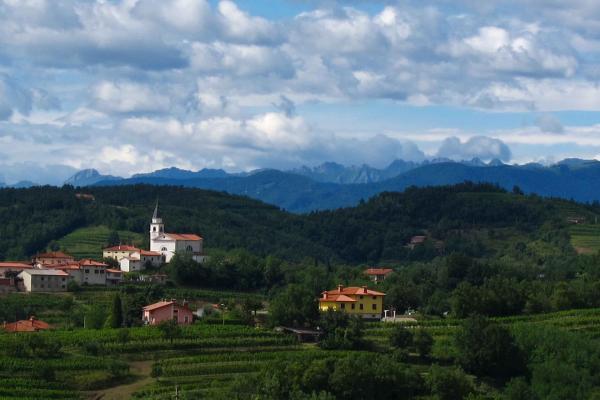
Goriška Brda is a small range of low hills in the far west of Slovenia, directly on the Italian border, and it is the country's best-known wine landscape. The ridges are covered with vineyards, orchards of cherries, peaches and olives, and small villages with stone houses and church towers, and the view from the tops of the ridges stretches south-west over the Friulian plain and north-east to the Julian Alps. The hills continue across the border into the Collio region of Italy, and the comparison to Tuscany is often made by visitors because of the pattern of rows, cypress trees and warm stone.
The local grape that matters most is Rebula, known in Italy as Ribolla Gialla, which is made into crisp, aromatic whites and, increasingly, into skin-contact and sparkling wines. Chardonnay, Sauvignon Blanc and Merlot are also widely grown, and the climate, with warm days and cool Alpine air at night, suits them well. Dozens of family wineries across the hills welcome visitors for tastings. Klet Brda is the large cooperative cellar that serves many growers, and Movia is a well-known private estate that has sold wines internationally for generations. Tastings are usually paired with olive oil, cured ham, cheese and local bread, and many producers also offer rooms or meals.
The villages are worth exploring on foot or by bicycle. Šmartno is a fortified medieval settlement with walls and towers, now carefully restored, and Dobrovo has a large castle that houses a gallery and a wine cellar. Villa Vipolže is a manor house with a garden that is used for events. A quiet road network links the villages, and cycling routes run along the ridges with long views. In May and June, cherries ripen across the hills, and in autumn the harvest brings pickers into the vineyards and gives the slopes colours of gold and russet.
The history of Brda reflects its position between cultures. For centuries it belonged to the County of Gorizia and later to the Habsburg lands, and after the First World War and again after the Second World War the border was redrawn through the region. This mix of Slovene, Italian and Austrian influence is visible in the food, the architecture and the language people use. The Viewing Tower in Gonjače offers a panorama of the whole area, and it is a good place to start a visit. Booking a tasting in advance is wise at weekends and in autumn.
Categories
More photos coming soon
Nearby Attractions
Other places to visit in Goriška Brda
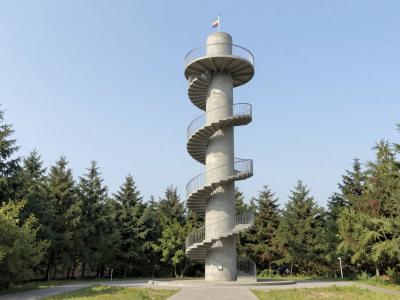
Viewing Tower in Gonjače
23m tower with panoramic Alpine and Adriatic views
Hiking Trails · Hills & Valleys
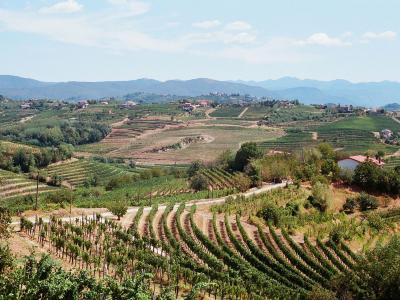
Klet Brda
Largest Slovenian winery in Goriška Brda region
Cultural Experiences · Food & Gastronomy
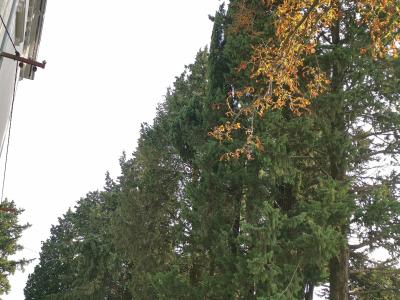
Villa Vipolže
Renaissance villa with historic cypress park
Guided Tours · Historic Houses
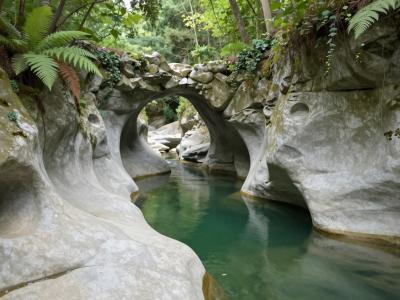
Krčnik and Kotline
Natural stone bridge and pools carved by creek
Natural Wonders · Hiking Trails
Questions people ask
Quick Facts
Best Time to Visit
May to June and September to October offer mild weather and harvest season experiences.
Book your stay