
Crunching Through the Crimson Canopy
The air near Selo hangs heavy with the scent of pine resin and ripening bilberries, a distinct perfume that signals high summer in the Julian Alps. I recall once chasing a confused swarm of bees through dense rhododendron thickets, emerging with my fingers permanently stained a deep, bruised purple. That intense, earthy sweetness stands in stark contrast to the bland, watery varieties found in standard supermarkets.
Respect for the forest is not merely a suggestion; it is a legal and ethical requirement. While you are permitted to gather up to two kilograms of mushrooms and one kilogram of herbs daily, berry picking remains largely unrestricted, provided you leave a sufficient portion for the local wildlife. This delicate balance allows the crimson canopy to filter sunlight into dappled shadows on the forest floor, creating a sanctuary for both humans and animals.
Grab a basket and step into the wild. The sensory overload of color and flavor is immediate and intense. You will taste the mountains in every bite, a visceral reminder of why we forage with such care and intention.
Red Gold or Poisonous Twin?
High summer in Triglav National Park transforms sun-drenched trails into active foraging grounds. Wild raspberries (Rubus idaeus) and blueberries (Vaccinium myrtillus) ripen along the path, offering a sweet, natural reward for hikers. These fruits are safe to eat, provided you can distinguish their specific shapes and colors from dangerous look-alikes.
The forest floor often hides toxic imposters, most notably baneberry (Actaea spicata). Its white, pearl-like berries look innocent but are highly toxic. Do not consume any plant material unless you are absolutely certain of its identity. A reliable field guide is essential for accurate identification.
Local regulations permit picking up to 2 kg of mushrooms and 1 kg of herbs daily, though berry limits remain less strictly defined. This inconsistency requires extra caution. When in doubt, leave the fruit on the bush. Your safety outweighs the value of a handful of berries. Stay vigilant. Verify before you bite.
Respect the Root, Respect the Rule
Foraging in Triglav National Park offers a tempting escape into nature’s pantry, but this Alpine bounty is tightly protected. Sustainability must always outweigh the desire to fill your basket. Local regulations strictly limit harvesting to two kilograms of fruit per person daily. This cap isn’t arbitrary; it safeguards ground-nesting birds and small mammals that depend on these natural snacks for survival. I’ve watched visitors ignore these limits, and the resulting ecological strain is always visible.
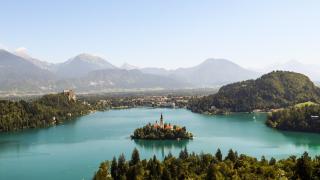
Before stepping into private meadows near Bohinj or Bled, always seek permission from local landowners. Slovenians hold their kmečka hiša (farmhouse) traditions in high regard, and respecting private property is non-negotiable. A simple, polite greeting in Slovenian can bridge cultural gaps and foster goodwill. This small gesture acknowledges the deep connection locals have with their land.
Practical preparation also plays a crucial role in minimizing impact. Bring sturdy, reusable bags to avoid leaving plastic waste in pristine valleys. The goal is to leave no trace, taking only memories and leaving the ecosystem undisturbed. Your enthusiasm for the Julian Alps should never eclipse the needs of the environment. Stay mindful, move lightly, and savor the responsibility that comes with foraging in this delicate alpine setting.
From Forest Floor to Fork
High summer transforms Triglav’s forest floor into a bustling pantry. Under the canopy, wild blackberries and blueberries ripen, ready for the taking. Park regulations permit gathering up to 2 kg of mushrooms and 1 kg of herbs daily. These limits exist to protect the ecosystem, so please adhere to them strictly.
Once you have gathered your haul, consider how to best showcase these ingredients. Traditional potica, a rolled pastry, gains a bright, tart contrast from the acidity of wild berries. Alternatively, a simple compote captures the season’s essence; simmer the fruit with water and a touch of honey. This preserves the summer heat in a jar, offering a versatile side dish.
Locals often pair this sweet-tart compote with kranjska klobasa. The combination creates a surprising balance between the savory sausage and the fruity sauce. It is a classic example of Slovenian culinary wisdom, where foraged flavors meet hearty tradition. The ingredients cost nothing, but the preparation requires intention and care.
Cooking with your own finds deepens your connection to the land. This direct link to nature defines the region’s food culture. Instead of merely viewing the forest as scenery, engage with it as a source of flavor. Share your creations with friends. The experience of picking and cooking your own meal offers a taste of the Julian Alps that no restaurant can replicate.
Your Basket Awaits
August brings high summer to Triglav National Park, turning the forest floor into a vibrant mosaic of ripe wild berries and aromatic herbs. While the landscape under the Julian Alps looks inviting, strict foraging regulations apply. You may collect up to 2 kg of mushrooms and 1 kg of herbs daily, provided you follow all park guidelines.
The scent of pine mingles with the earthy aroma of your harvest, creating a sensory experience that goes beyond a simple walk. This is a genuine connection to Slovenia’s pristine wilderness. Bring a sturdy pair of boots and a wicker basket to capture these wild flavors. Plan your visit to the mountains and step into nature’s kitchen.