- Where
- Triglav, Ljubljana & Central Slovenia
- Directions
- Directions
Triglav National Park is Slovenia's only national park, and it covers most of the Slovenian part of the Julian Alps in the north-west of the country, roughly 84,000 hectares in all. It takes its name from Mount Triglav, at 2,864 metres the highest peak in Slovenia and a national symbol that appears on the country's coat of arms and flag. The park was long protected in smaller form before it received its present status, and it reaches right up to the Italian border.
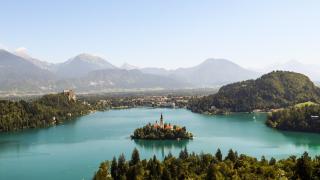
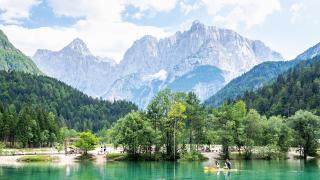
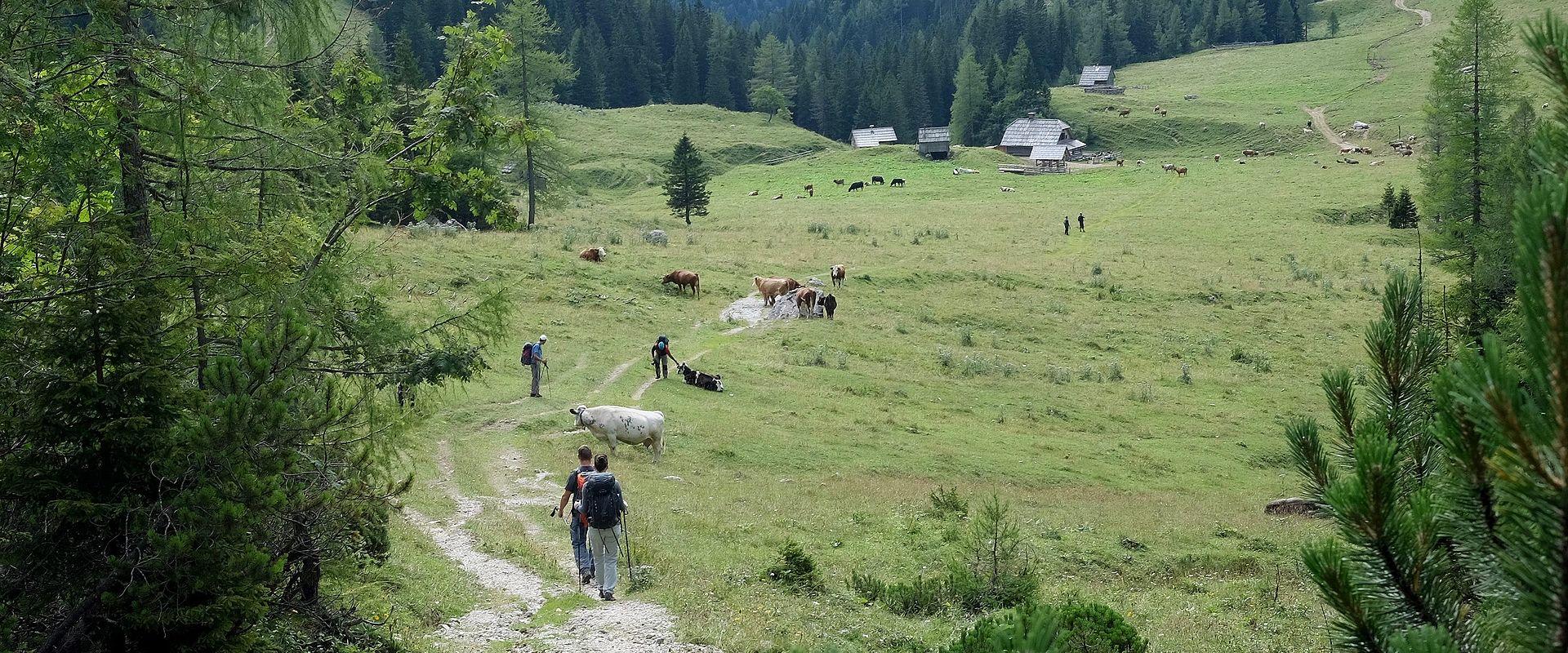
The terrain changes sharply from valley floor to summit. Beech and spruce forest fills the lower slopes, giving way to dwarf pine, high pastures and bare limestone ridges. The best-known valleys are Bohinj, with Lake Bohinj, the largest permanent natural lake in the country, and the upper Sava valleys near Kranjska Gora and Mojstrana. On the western side the Soča rises inside the park and runs out through the Bovec basin. Because the rock is limestone, much of the water disappears underground and returns as springs, which is why so many of the streams and waterfalls here run so clear.
Wildlife is a real draw. Chamois are easy to spot on the higher slopes, ibex were reintroduced to the Alps and can be seen in places, and brown bear, lynx and wolf live in the park, though they are shy and rarely seen. The flora is rich, with several plants found only in the Julian Alps, among them the Julian poppy and Zois' bellflower, the latter named after the Slovene baron Sigmund Zois.
There is something for every level of effort. Gentle valley walks lead to waterfalls such as Peričnik and Savica, while the high routes toward Triglav use fixed cables and iron pegs in places and demand a head for heights, good footwear and a careful eye on the weather. Mountain huts run by the Slovenian alpine club provide food and beds along the main routes, and most are open only in the summer season. Climbing Triglav is a rite of passage for many Slovenes.
Villages inside and at the edge of the park keep their alpine character, with hay racks, wooden chapels and farm dairies selling cheese. Visitors are asked to stay on marked paths, take rubbish home and follow the usual rules of Leave No Trace, particularly in the nesting and lambing seasons. The park is accessible in every season: summer and early autumn for high hiking, winter for ski touring and snowshoeing, spring for waterfalls at full strength. Sights covered separately include the Julian Alps and Mount Triglav itself.
Categories
More photos coming soon
Nearby Attractions
Other places to visit in Triglav
Questions people ask
Quick Facts
Best Time to Visit
Late June to mid-September offers the best weather for hiking, climbing, and exploring Triglav National Park; spring and autumn are quieter but less predictable.
Book your stay