The park at a glance
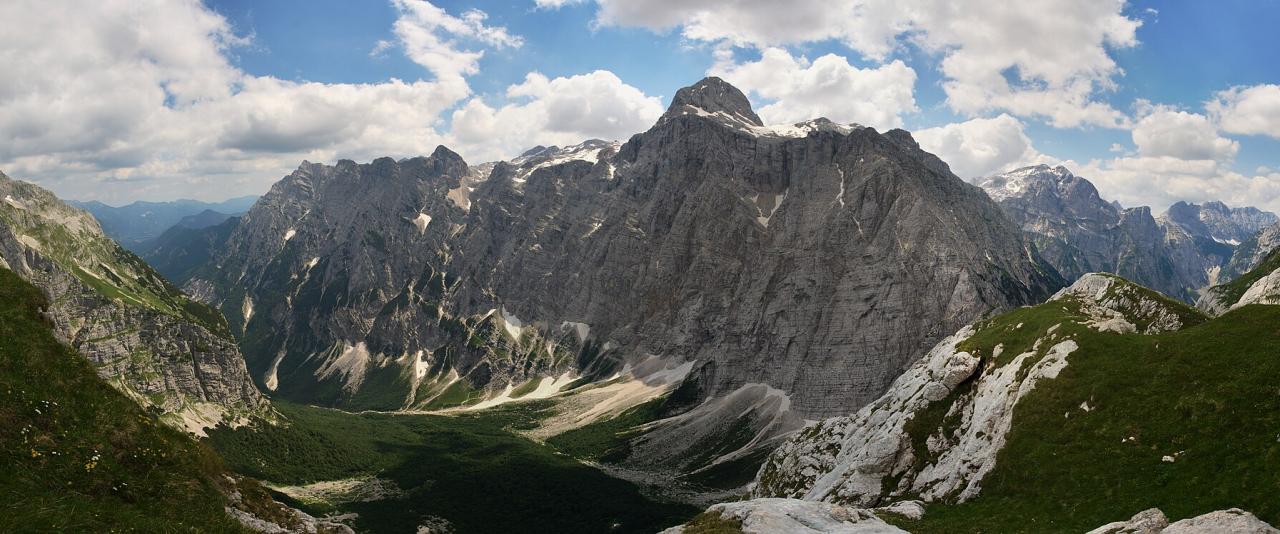
Triglav National Park (Triglavski narodni park, TNP) is Slovenia's only national park. It covers about 880 square kilometres of the Julian Alps, roughly 4% of the country, with Mount Triglav (2,864 m), the highest peak in Slovenia, near its centre. The first protection of the Triglav Lakes Valley dates from 1924, and the park took its present form in 1981.
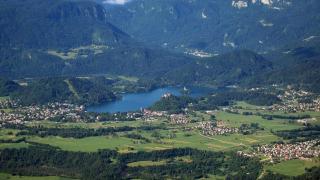
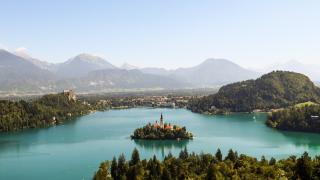
Valleys radiate out from Triglav in every direction, and the park drains to two seas: the Soča flows to the Adriatic, the Sava to the Black Sea. In practice this means the park is not one place but several regions with different bases and different access: Bohinj and Pokljuka in the east, Kranjska Gora and the Vrata valley in the north, and the Soča (Trenta) valley in the west. Lake Bled is just outside the park boundary but is the usual gateway for first-time visitors.
Choosing a base
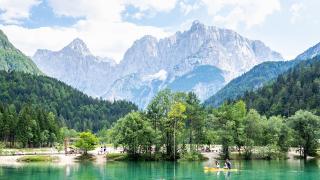
- Bohinj – Lake Bohinj, Savica waterfall, Vogel and access to the Triglav Lakes Valley. Quieter than Bled, with a lakeside campsite at Ukanc.
- Bled – the most accommodation and public transport, close to Vintgar Gorge and Pokljuka, but busier.
- Kranjska Gora and Mojstrana – the Vršič Pass, the Vrata valley under Triglav's north face, and the Slovenian Alpine Museum in Mojstrana.
- Bovec, Kobarid and Trenta – the Soča valley, its gorges and waterfalls, rafting and kayaking, and the park's Trenta information centre.
The Vršič Pass road links Kranjska Gora with the Soča valley over the mountains. It is a narrow road with many hairpins and is often closed in winter, so check its status before planning a loop.
Parking, shuttles and getting around
Parking inside the park is allowed only in marked spaces, and parking caravans or vehicles used for sleeping outside designated areas is prohibited. The busy spots fill early in summer. In Bohinj the tourist board recommends parking in Bohinjska Bistrica and using public transport; the Julian Alps Bohinj card, offered with participating accommodation, gives free or discounted use of buses, trains, shuttles and the panoramic boat on the lake. Pokljuka is served by a hop-on hop-off bus listed by the Bohinj tourist board.
At Vintgar Gorge, on the park's eastern edge near Bled, you cannot drive to the entrance. You park at the official Vintgar Lip central car park or come from Bled bus station, and an e-shuttle takes you to the visitor centre. The gorge is open from April to October, walked one way only, and the operators recommend booking your entry online ahead of the date. They also advise against bringing children under three.
The rules that catch people out
- No wild camping. Camping and bivouacking outside designated campsites is not allowed, nor is sleeping in hay barns or shelters. Park rangers patrol popular areas in summer and issue fines.
- No drones. Flying drones in the park is not permitted without the park authority's approval.
- No swimming in the Triglav Lakes or the Mostnica in the central part of the park, to protect fragile habitats. Swim in Lake Bohinj's designated bathing areas instead.
- Stay on marked paths. Meadows and forests are often private farmland, and cycling is not allowed on mountain and hiking trails.
- Dogs on a lead, and clean up after them.
- Take your rubbish home. There are no bins on mountain paths. Collecting minerals, fossils and plants is prohibited.
- Boats on Lake Bohinj, including stand-up paddleboards, need a permit and must use designated entry points.
Mountain huts and the hiking season
The park has a dense network of mountain huts, most run by local branches of the Alpine Association of Slovenia (PZS). Lower huts may open for much of the year, but most high huts operate only in the summer season, roughly late June to late September. Check opening dates with the hut or PZS before relying on one, and book ahead for weekends in July and August, especially near Triglav.
Snow can linger on north-facing slopes and high routes into June. Afternoon thunderstorms are common in summer, so start early and plan to be off ridges by early afternoon. The routes to Triglav's summit include cabled sections; inexperienced hikers should hire a licensed mountain guide and carry a helmet, harness and via ferrata lanyard.
Easy first-day ideas
If you have a day or two and no mountain experience, start in the valleys:
- Walk around Lake Bohinj and up to Savica waterfall.
- Walk through Vintgar Gorge (booked ahead) from Bled.
- Drive or take the bus over the Vršič Pass in summer and stop at the source of the Soča.
- Walk into the Vrata valley to Aljažev dom for the view of Triglav's north face.
- In the Soča valley, walk the Great Soča Gorge or visit the Tolmin Gorges.
Information centres
The park's information centres include Triglavska roža in Bled and Dom Trenta in the Trenta valley, and local tourist offices in Bled, Bohinj, Kranjska Gora, Bovec and Kobarid publish current trail closures. Trail maintenance and rockfall regularly close individual paths; in summer 2026, for example, sections of trail in the Lepena valley and the Šunik water grove were temporarily closed. Check the park website, tnp.si, before you go.