- Where
- Triglav, Ljubljana & Central Slovenia
- Directions
- Directions
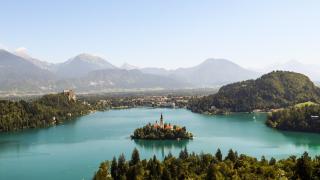
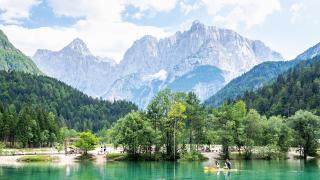
Mount Triglav, at 2,864 metres, is Slovenia’s highest peak and the dominant summit of the Julian Alps. Its three-headed profile appears on the national coat of arms and flag, and the name itself is usually read as three heads. The mountain rises inside Triglav National Park, the only national park in the country, in the northwest corner of Slovenia, close to the Italian border. Bled, Lake Bohinj and Kranjska Gora are the usual bases, all within a day's reach of Ljubljana.
The summit has a long mountaineering story. The first recorded ascent took place in 1778, when a party of four men from the Bohinj area reached the top with the backing of the Carniolan industrialist and scholar Žiga Zois. Over a century later the priest Jakob Aljaž bought the summit plot and placed a small cylindrical metal shelter there, now known as the Aljaž Tower. It has become the emblem of the climb, and many people touch it or sign the book beside it. Slovenians often describe reaching the top as something close to a national rite of passage.
There is no single way up. Classic approaches start in the Vrata Valley, the Krma Valley, the Zadnjica Valley, or from the Bohinj side through the Triglav Lakes Valley. They differ in length and difficulty but share the same character: long approaches through forest and scree, then bare limestone with steel pegs, cables and exposed ledges near the top. A head for heights, sturdy boots and a helmet are sensible, and a harness with via ferrata gear is widely used on the harder sections. Beginners with little alpine experience do well to hire a mountain guide. Most people turn the climb into two days, spending a night in one of the mountain huts on the way, among them the high-altitude hut at Kredarica. The season runs roughly from late June or July to September or early October, depending on snow, and afternoon thunderstorms are a real risk in summer, so early starts are the rule.
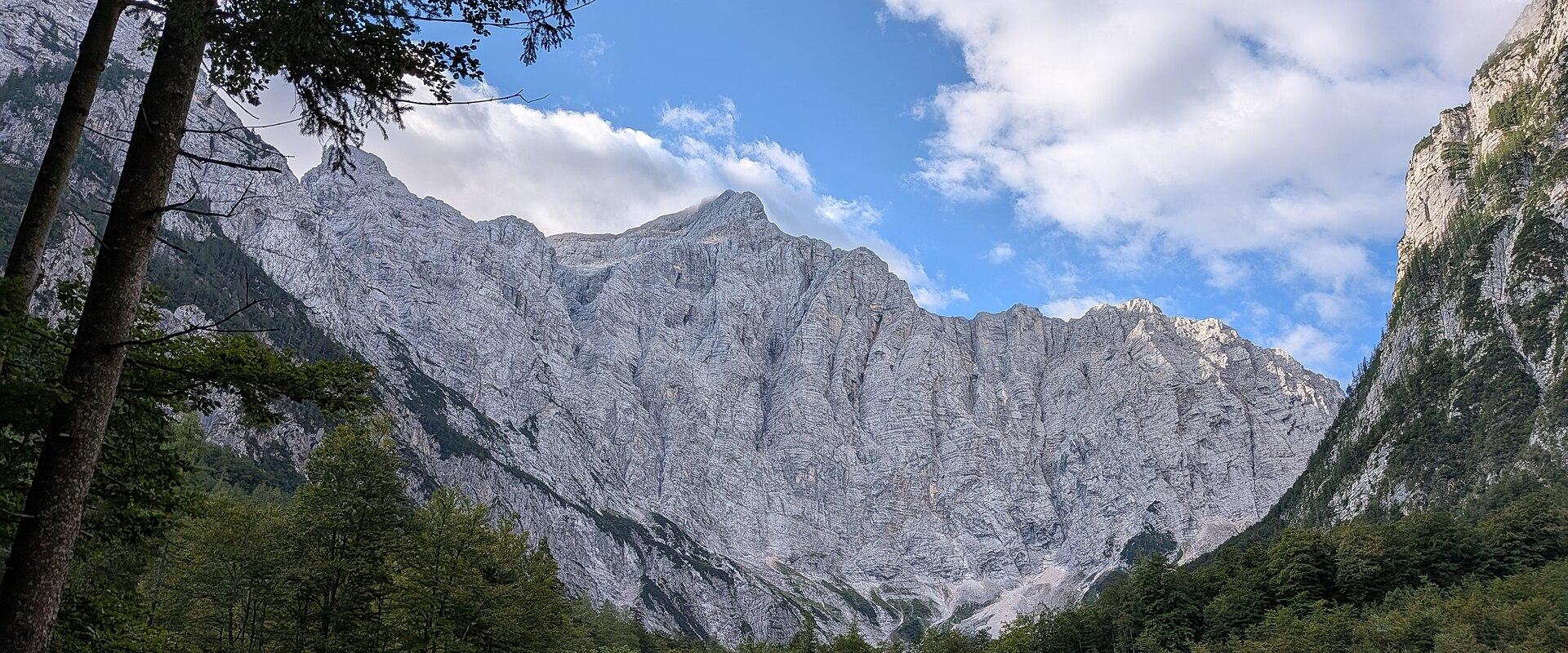
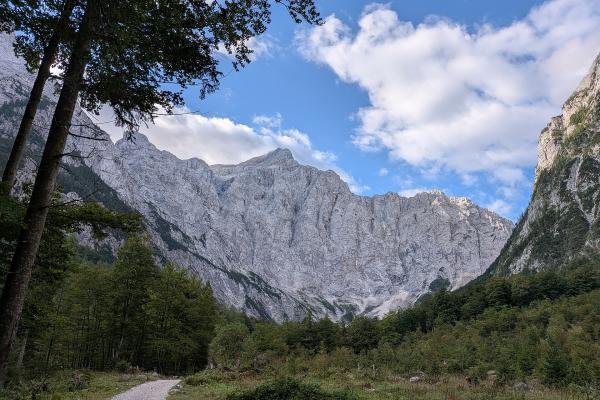
The mountain looks different from every side. The north face, a vast wall of rock more than a kilometre high, is one of the great faces of the Eastern Alps and a training ground for generations of Slovenian alpinists. From the summit on a clear day the view runs across the Julian Alps into the Austrian and Italian ranges, and sometimes as far as the Adriatic. Below the peak, the glacial valleys, alpine meadows and karst plateaus of the national park hold chamois, ibex and a rich flora.
Triglav suits fit, well-prepared walkers who are comfortable with exposure, and it rewards those who treat it with respect rather than as a trophy. Those who prefer to admire it from below can do so from Bled, Bohinj or the Vrata Valley, where the north face fills the head of the valley.
More photos coming soon
Nearby Attractions
Other places to visit in Triglav
Questions people ask
Quick Facts
Best Time to Visit
Late June to mid-September offers the best weather for hiking, climbing, and exploring Triglav National Park; spring and autumn are quieter but less predictable.
Book your stay