Why Drive in Slovenia
Slovenia is compact and its roads are good, so a car makes it easy to combine the Julian Alps, the Soča valley, the Karst caves and the coast in one trip. Public transport covers the main routes well, but a car opens up valleys, wine areas and trailheads that buses reach only a few times a day.
Before you set off, there are a few local rules that catch visitors out, starting with the vignette.
The e-Vinjeta (Motorway Vignette)
Motorways and expressways in Slovenia require an electronic vignette, the e-vinjeta. There is no sticker: the vignette is registered to your number plate, and cameras check plates automatically. Buy it before you join a motorway, through the official DARS e-vinjeta website or at authorised sales points such as petrol stations. Avoid third-party websites that add service fees.
For an ordinary car (class 2A), prices in 2026 are €16 for 7 days, €32 for a month and €117.50 for a year, according to published tariffs; check the official site before buying, as rates are reviewed. Motorcycles and larger vehicles have their own classes, and vehicles over 3.5 tonnes pay distance-based tolls instead.
Driving on a motorway without a valid vignette leads to a fine of several hundred euros. If you are only driving local roads, you do not need one, but navigation apps often route you onto motorways, so check your settings.
The Karawanks (Karavanke) tunnel to Austria is not covered by the vignette and charges a separate toll per crossing.
Road Rules
- Speed limits: 50 km/h in towns, 90 km/h on open roads, 110 km/h on expressways and 130 km/h on motorways, unless signs say otherwise.
- Lights: dipped headlights are required at all times, day and night.
- Alcohol: the general limit is 0.5 g/kg, with a zero limit for new and professional drivers.
- Phones: handheld phone use while driving is prohibited.
- Emergency corridor: in a traffic jam on multi-lane roads, drivers must form a corridor between the left lane and the others for emergency vehicles.
- Children must use suitable child seats.
Fines are significant and police do check, especially on routes into the mountains in summer.
Winter Driving and Mountain Passes
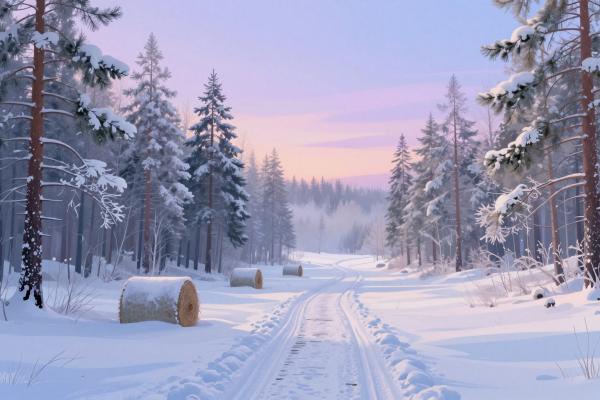
From 15 November to 15 March, and at other times when winter conditions apply, cars must have winter tyres or carry snow chains. Rental cars usually come prepared, but confirm when booking.
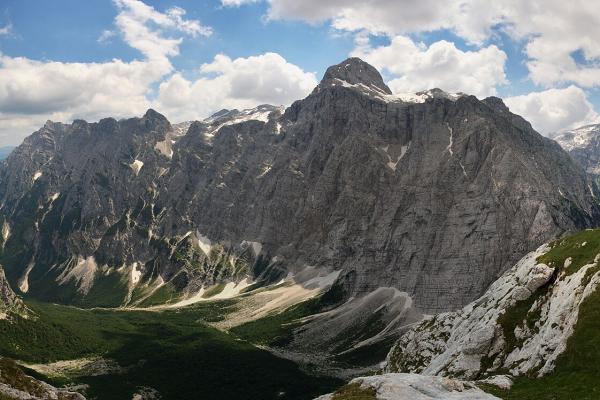
Some mountain roads close for the winter. The Vršič pass, the high road between Kranjska Gora and the Trenta valley, is usually closed from late autumn to spring, and the road to Mangart saddle is open only in the warmer months. Check road status with the national traffic information service before setting off.
The Vršič pass, at about 1,611 m, is the best-known drive in Slovenia, with numbered hairpin bends, several of them cobbled on the northern side. It is narrow in places and busy in summer with cyclists and motorcyclists. Drive slowly, use lower gears on the descent and expect to stop at the Russian Chapel and the top of the pass.
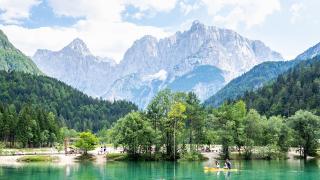
Other popular drives include the Soča valley road from Bovec to Kobarid, the roads onto the Pokljuka plateau, and the Logar valley in the Kamnik-Savinja Alps. Some smaller valley roads charge an entry fee in season.
Parking
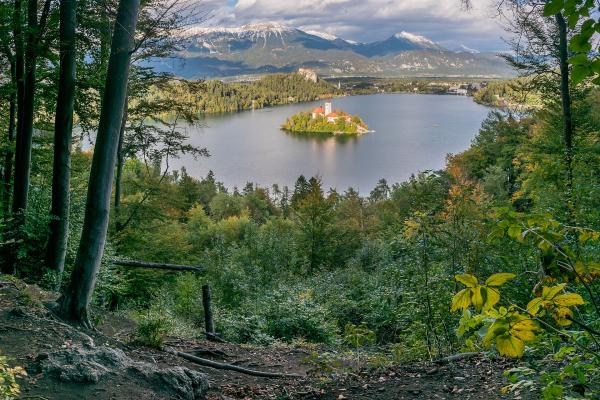
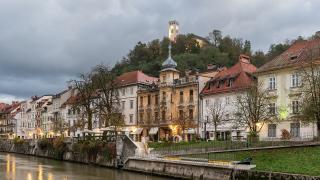
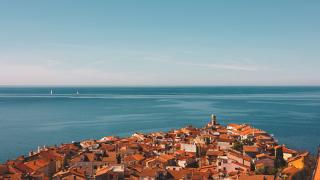
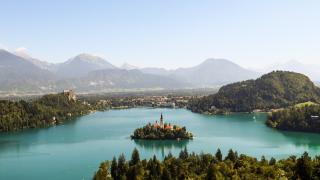
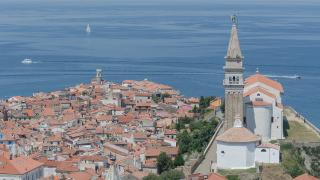
Parking in Bled, Bohinj and on the coast is paid and limited in summer, and some lakeside car parks fill early. Ljubljana's historic centre is largely closed to cars; use one of the public garages near the centre or a park-and-ride site on the city edge, from where buses run into town. Piran's old town is closed to visitor cars, and drivers use the large garage outside town and walk or take the shuttle.
Pay attention to signs: blue zones and time limits are enforced, and parking apps and machines are common.
Breakdowns and Emergencies
The European emergency number 112 works for ambulance, fire and mountain rescue; police are on 113. For breakdowns, the Slovenian automobile club AMZS runs a roadside assistance service, and rental companies provide their own numbers. Carry a reflective vest and warning triangle, which are required equipment.
Practical Tips
- Buy the e-vinjeta online the day before you need it, and double-check the number plate.
- Fill up before heading into the mountains, where petrol stations are sparse.
- Start early on summer days to avoid queues on the Vršič pass and around Bled.
- If renting in Croatia, Italy or Austria, tell the company you will drive in Slovenia.