
Unpacking the Alpine Puzzle: Layering for Triglav’s Mood Swings
Alpine weather on Triglav doesn’t ask for permission; it shifts with startling speed. One moment you are bathed in warm sunshine, the next, a cold front slams into the ridge with zero warning. To navigate this unpredictability, your foundation must be merino wool base layers. Unlike synthetic alternatives, these natural fibers actively wick moisture away from the skin, preventing that chilling sweat buildup during the grueling ascent to the peak.
As you climb higher, the air thins and temperatures plummet. A fleece mid-layer becomes indispensable here, acting as a thermal buffer that traps heat when the wind bites near the summit while allowing breathability during intense effort. This layer offers adjustable warmth that adapts to your body’s changing metabolic needs, ensuring you don’t overheat or freeze.
Rain in the Alps is often sudden and relentless. A lightweight rain shell is non-negotiable, providing a critical shield against sudden showers without weighing you down. This outer layer seals the system, protecting your inner warmth from the elements. It’s not just about staying dry; it’s about maintaining the core temperature that keeps fatigue at bay.
Feet bear the brunt of the journey. Synthetic socks are crucial for preventing blisters on the sharp, rocky terrain that characterizes Triglav’s trails. Their quick-drying nature ensures comfort even when sweat or rain sets in, protecting your skin from maceration. This cohesive layering strategy keeps the entire family safe, allowing you to focus on the breathtaking views rather than discomfort.
The Essentials: Triglav’s weather shifts fast. Pack merino wool base layers to manage moisture during steep climbs. Add a fleece mid-layer for adjustable warmth as temperatures drop near the summit. A lightweight rain shell is essential for sudden Alpine showers. Finally, wear synthetic socks to prevent blisters on the rocky terrain. This practical layering system keeps your family comfortable and safe throughout the hike.
Footwear Forensics: Cobblestones vs. Cave Cliffs
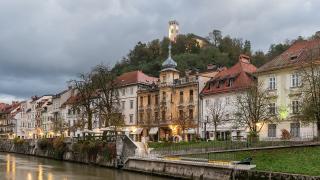
Ljubljana’s historic center presents a deceptive challenge. The famous cobblestones, or mavrc, look smooth and inviting from a distance, but they quickly turn into slick ice rinks when rain sets in. Navigating these streets requires soles that bite into the pavement without sacrificing comfort during long strolls past the Triple Bridge. Sturdy walking shoes with a firm grip are non-negotiable for urban wandering.
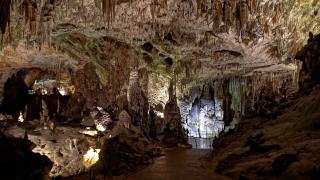
Venturing into the Postojna or Škocjan caves shifts the priority entirely. The limestone floors here are often slick with condensation, creating a slippery hazard that demands boots with aggressive tread patterns. Ankle support becomes crucial as you navigate uneven, ancient rock formations that have remained unchanged for millennia. Slip here, and it’s not just a stumble; it’s a potential fall on hard stone.
Triglav National Park offers a different beast altogether. Rugged mountain trails require robust footwear that locks your ankle in place against loose scree and steep inclines. The terrain here does not forgive poor support, so prioritize durability over breathability when the elevation climbs. Your feet will thank you when you’re descending 1,000 meters on uneven ground.
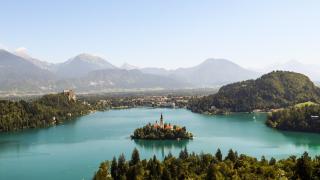
Lakeside relaxation, however, calls for a complete wardrobe reset. Sliding into sandals by Lake Bled or Bohinj allows your feet to breathe and dry after days of hiking. This switch signals a mental pause, letting you savor the quiet rhythm of the water rather than the crunch of gravel.
The Essentials: Ljubljana’s cobblestones demand sturdy walking shoes. Pack grippy, water-resistant boots for wet cave paths. Hike Triglav’s rugged trails in ankle-supporting boots. Sandals suffice for lakeside relaxation.
Sustaining energy across the trail’s staggering 37,000 vertical meters requires reliable power sources, making a high-capacity power bank a non-negotiable companion for multi-day treks. While Slovenia’s outlets largely conform to the European Type F standard, carrying a compact adapter ensures you can recharge devices in guesthouses or mountain huts that might otherwise leave your batteries dead. In remote refuges, power is often shared among dozens of hikers, so efficiency is key.
When cell service vanishes in deep valleys, pre-downloaded offline maps provide crucial navigation safety, preventing disorientation far from the nearest village. The Slovenian Mountain Trail is well-marked, but fog can roll in instantly, obscuring the red-white-red markers. Digital tools bridge language gaps with locals, serving as more than just convenience; they act as bridges to meaningful interactions with Slovenian communities who may not speak English, enriching the cultural experience of the journey.
The Essentials: Power banks are essential for the Slovenian Mountain Trail’s 37,000 altimeters. Pack Type F adapters for cabin outlets. Offline maps save you in remote valleys. Digital tools bridge language gaps with locals.
Cave and Coast Essentials: Swim, Shine, and Stay Dry
Postojna’s subterranean air holds a steady, refreshing chill, so layering a light jacket ensures you remain comfortable during the ride. The temperature inside the cave hovers around 9°C (48°F) year-round, a stark contrast to the summer heat outside. Over at Lake Bled, the experience shifts entirely; quick-dry swimwear paired with a compact microfiber towel lets you enjoy the water without the hassle of heavy, wet gear.
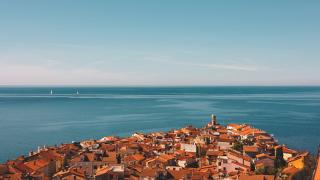
The Adriatic coast demands a different approach, where sun hats and polarized sunglasses shield your eyes from the intense, shimmering glare off the water. The Adriatic sun reflects off the limestone cliffs and the sea, creating a double dose of UV exposure that can lead to rapid fatigue. Finally, a reliable windbreaker becomes your best defense against the unpredictable, salty breezes that sweep along the shoreline, keeping you dry and at ease.
The Essentials: Bring a light jacket for the chilly cave environments. Pack quick-dry swimwear and a microfiber towel for Lake Bled. Use polarized sunglasses and sun hats for the Adriatic coast. A windbreaker protects against salty sea breezes.