
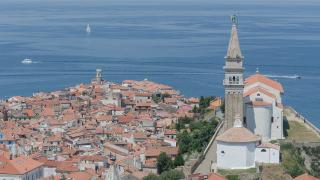
Ljubljana’s trams glide with a silent efficiency, their low floors and wide doors offering an immediate, welcoming gesture to travelers using mobility aids. This ease of movement stands in stark contrast to the cobblestone lanes of Piran or the rugged trails of the Julian Alps, where accessibility takes on a far more complex meaning. In these rural zones, a simple walk can quickly devolve into a logistical puzzle, as uneven surfaces and steep gradients replace the smooth pavement of the capital.
Consequently, checking individual venue websites before packing becomes an essential ritual. Many historic sites explicitly list barriers—such as narrow doorways or the absence of elevators—allowing you to adjust your itinerary with precision. This proactive approach prevents the sharp disappointment of arriving at a breathtaking location only to find it entirely out of reach. A little research transforms potential frustration into a seamless experience, ensuring that your journey remains enjoyable rather than exhausting.
While Slovenia strives for inclusive tourism, the infrastructure remains patchy outside major hubs. Urban centers like Ljubljana offer reliable access, but rural zones present genuine challenges. You must research specific attractions beforehand to avoid frustration. Pre-trip planning ensures a seamless journey through this diverse landscape, turning potential obstacles into mere curiosities.
The Emerald Circuit: Trails and Terrain
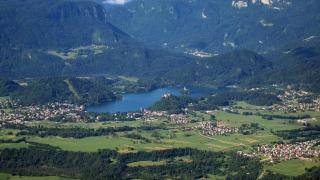
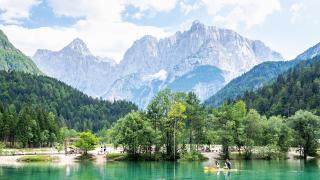
The jagged peaks of Slovenia’s Alps do not yield easily to mobility aids. Steep inclines in Triglav National Park frequently lack paved surfaces, turning navigation into a test of endurance rather than a leisurely stroll. Yet, nature’s barriers are not absolute, and the country offers clever workarounds for those seeking adventure without physical strain.
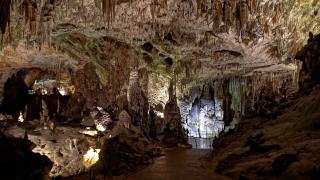
Postojna Cave provides a masterclass in accessible exploration. A specialized train whisks visitors through vast limestone halls, allowing you to witness the underground world without navigating uneven ground or steep stairs. The experience is seamless, removing the friction often associated with underground tours and revealing the beauty of the subterranean world in comfort.
Winter sports present a different landscape altogether. Northern resorts such as Rogla have transformed their slopes into groomed, flat trails designed for everyone. These modifications invite wheelchairs and adaptive equipment onto the snow, proving that winter adventures need not exclude those with limited mobility. Such thoughtful infrastructure keeps the wilderness truly open, blending natural beauty with human ingenuity.
Slovenia’s rugged Alps present real challenges for wheelchair users, particularly in national parks where paths are often unpaved. However, solutions exist. Postojna Cave offers a solution with its accessible train, allowing you to explore limestone halls without difficulty. Northern resorts like Rogla provide groomed, flat trails for winter sports. These adaptations ensure nature remains open to all travelers, regardless of their physical capabilities.
Urban Ease: Ljubljana’s Flat Heart and Beyond
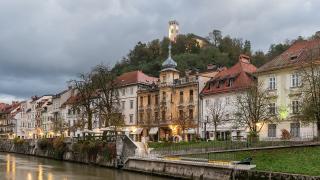
Gliding along the Ljubljanica River feels effortless in the capital. The compact city center prioritizes step-free paths, allowing smooth navigation without the usual urban friction. A quick ride on the electric funicular lifts visitors up to Castle Hill, bypassing steep stairs entirely and offering panoramic views that reward the effort. For broader transit, low-floor buses provide level boarding, removing the hassle of steps or ramps from your daily commute.
Novo Mesto presents a different challenge, one that requires careful consideration. While the town shows promise in its modern developments, narrow doorways in historic buildings often block wider wheelchairs. Cobblestone streets, though charming, create uneven terrain that can be difficult to navigate. Steep inclines also appear frequently in the old town. Careful route planning is essential here. Avoid these historic zones if mobility is limited. Instead, stick to the modern, paved sidewalks that curve gently around the old town perimeter, offering a safer and more comfortable path.
Ljubljana’s compact center offers smooth, step-free navigation along the Ljubljanica River. You can ride the accessible funicular to Castle Hill or use low-floor buses for city transit. While Novo Mesto shows promise, historic buildings often retain narrow doorways. Plan routes carefully to avoid uneven cobblestones and steep inclines. By choosing your path wisely, you can enjoy the charm of Slovenia’s towns without compromising on comfort or safety.
Seamless Journeys: Trains, Taxis, and Stays
Book your train assistance at least two days ahead. The national railway network mandates this notice period for mobility support, ensuring that staff are prepared to assist you with boarding and disembarking. Major hubs deploy taxis equipped with ramps and secure tie-downs for wheelchairs, providing a reliable link between destinations. Before booking rooms, check for official Slovenian accessibility certification rather than relying on vague online descriptions. Selo and Logarska Dolina host properties with verified wide hallways and roll-in showers. These specific locations remove the guesswork from finding reliable comfort, allowing you to rest easily after a day of exploration.