How Slovenia's Network Fits Together
Slovenia is small: most places a visitor wants to reach are within two to three hours of Ljubljana. The capital is the hub for both rail and bus, and the bus station and the main railway station face each other across the same street, which makes changing between them easy.
The practical rule is simple. Trains are good along the main corridors (Ljubljana to Maribor, the coast and the Gorenjska region towards Austria). Buses fill the gaps and are often faster to mountain and lake destinations. A car gives you the most freedom for the countryside, the Soča valley and the Karst.
Trains
Slovenian Railways (Slovenske železnice, SŽ) runs the national network. Useful lines for visitors run from Ljubljana north-west to Kranj, Lesce-Bled and Jesenice; east to Celje and Maribor; and south-west via Postojna and Divača to Koper. The scenic Bohinj railway crosses from Jesenice through Bled and Bohinjska Bistrica to Nova Gorica.
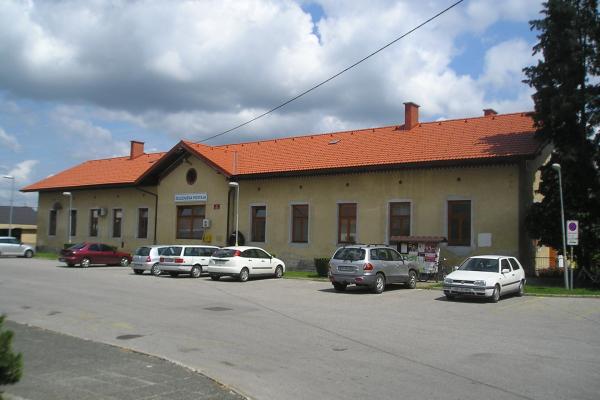
Ljubljana station is being rebuilt, with temporary platforms in use, and engineering works regularly replace trains with buses on some sections. Check the SŽ passenger information page or app before travelling, and allow extra time at Ljubljana station to find your platform.
Intercity Buses
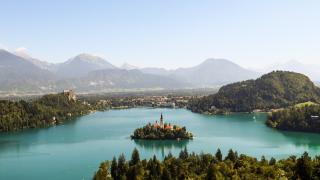
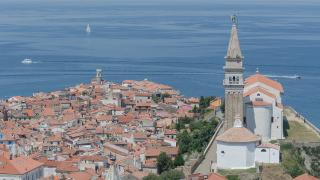
Buses reach almost every town and village. The largest operators are Arriva and Nomago, and there are frequent services from Ljubljana bus station to Bled, Bohinj, Piran, Kranjska Gora and other popular destinations. For Bled in particular, the bus drops you in town, whereas the Lesce-Bled railway station is about 4 km away.
In summer, popular routes such as Ljubljana to Bled or the coast can fill up, so buy tickets in advance where possible or turn up early. Slovenia has an integrated public transport system that is gradually linking bus and rail tickets; ask at ticket offices whether a single ticket covers your whole journey.
Driving and Renting a Car
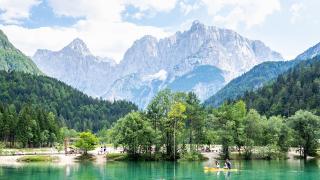
A car is the easiest way to explore the Julian Alps, the Soča valley, the Karst and rural wine areas, where public transport can be infrequent. Roads are well maintained, and distances are short.
Using the motorways requires an electronic vignette (e-vinjeta), linked to your number plate and bought online in advance; see our driving guide for details. Mountain passes such as Vršič close in winter, and winter equipment is mandatory in the colder months.
Parking in Bled, Bohinj and Ljubljana's centre is limited and paid in summer. Ljubljana's historic core is largely car-free, so if you are staying there, consider picking up a rental car only when you leave the city.
Ljubljana and the Airport
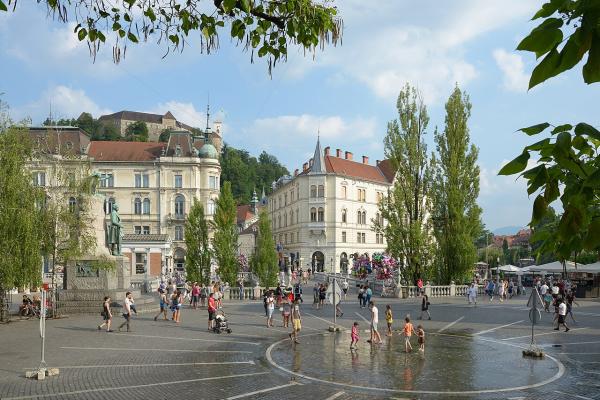
Ljubljana's centre is compact and walkable. City buses are run by LPP and are paid with the rechargeable Urbana card, available from machines and kiosks; you cannot pay the driver in cash. In the pedestrian zone, small electric vehicles called Kavalir offer free short rides, which helps if you have luggage or limited mobility.
The city's bike-sharing system, BicikeLJ, has stations across the centre and requires registration. Many visitors also use a Ljubljana tourist card, which bundles some transport and attractions; check what it includes before buying.
Ljubljana Jože Pučnik Airport is about 25 km north of the city. Public buses connect it with Ljubljana bus station, and several private shuttle companies run shared and private transfers to Ljubljana, Bled and the coast. Taxis are available at the terminal. Many travellers also fly into Venice, Trieste, Zagreb or Graz and transfer by shuttle or train.
Cycling
Slovenia has a growing network of cycle routes, and bikes are common in Ljubljana, around Bled and Bohinj, and in the Soča valley. E-bike hire is widely available in tourist areas. Many trains carry bicycles with a bike ticket, which makes one-way rides possible; check whether a specific train accepts bikes before you travel.
Which Option for Which Trip
- Ljubljana to Maribor or Celje: train.
- Ljubljana to Bled or Bohinj: bus, or train to Lesce-Bled plus a local bus.
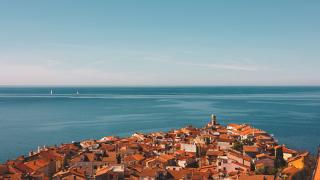
- Ljubljana to Piran: bus is usually the simplest; there is no railway to Piran.
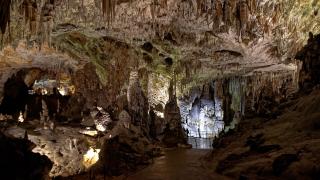
- Postojna Cave: train or bus to Postojna, then a short walk.
- Soča valley, Vršič pass, Karst villages: car, or a combination of buses and organised tours.
- Ljubljana itself: on foot, by bike or with the Urbana card.