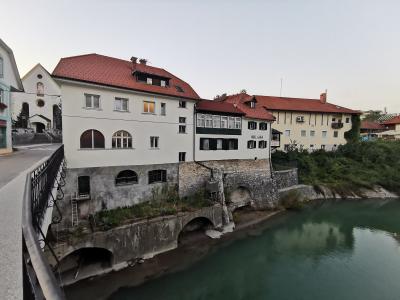
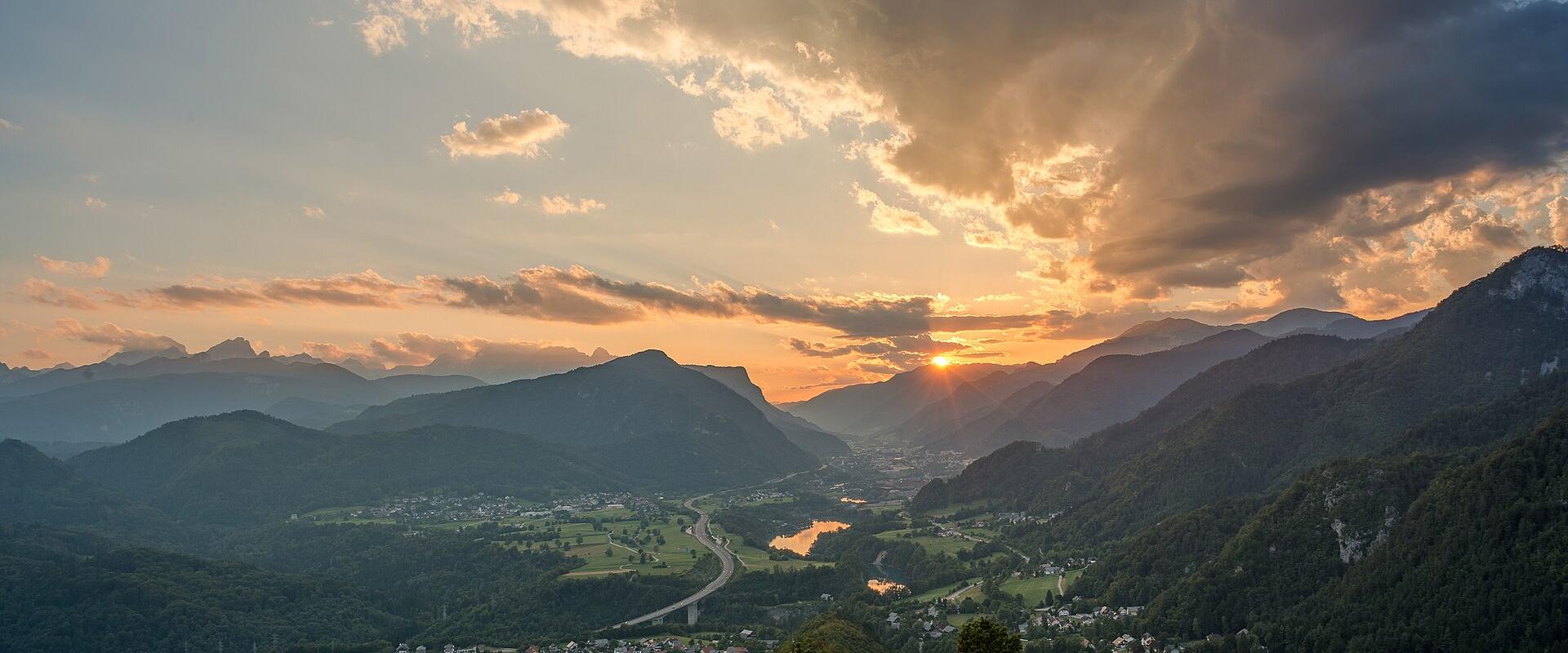
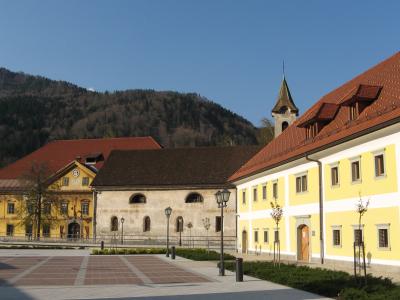
Jesenice lies in the Upper Sava Valley and has played a major part in Slovenia’s industrial and cultural history. Its origins go back to the Middle Ages, but it was the growth of ironworking in the sixteenth century that made Jesenice a major industrial centre. Iron ore from the nearby mountains and charcoal from the forests supported ironworks that were later developed by the Zois family. For centuries the town’s steel mills and foundries shaped the local economy and community, attracting workers from across the region and creating a mix of cultures and traditions. The Stara Sava historic area, with preserved workers’ houses, a blast furnace and industrial monuments, gives a fascinating look at this legacy. The Jesenice Upper Sava Museum brings the town’s history to life with interactive exhibits, objects and stories of daily life in the ironworks.
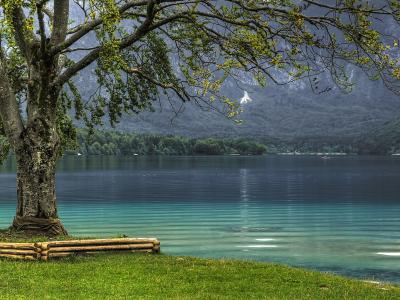
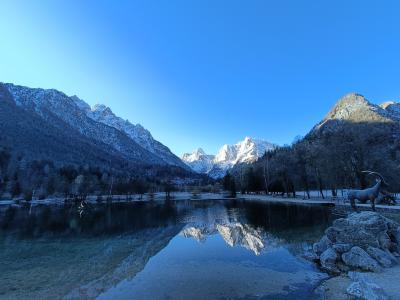
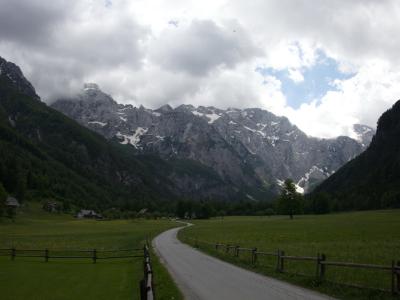
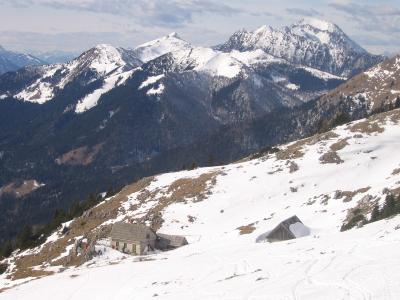
Despite its industrial roots, Jesenice is surrounded by some of the most impressive scenery in Slovenia. The town lies at the gateway to the Julian Alps and Triglav National Park, which makes it a good base for outdoor activities. Hiking and cycling trails lead from town into the mountains, forests and valleys, with routes for all levels. Belska planina, also known as Svečica, is a quiet alpine meadow above Jesenice with wide views, reached on a walk of a few hours. In winter, nearby ski resorts and cross-country trails attract snow sports fans, while summer brings mountain biking, fishing and walks across alpine meadows.
Jesenice’s central position makes it a convenient starting point for day trips to Lake Bled, Lake Bohinj and the Vintgar Gorge, all within easy reach by car or public transport. The Karavanke tunnel to Austria starts nearby, which gives the town a role as a transport hub. The cultural life is enriched by festivals, concerts and sporting events. Ice hockey is central to local identity, and the local ice hockey scene draws crowds to matches in winter; the town has produced many of Slovenia’s best players. The Jesenice Mosque and several churches show the multicultural character of the town, while the statue of the iron worker is a symbol of its industrial past.
Visitors can find a range of amenities, including hotels, guesthouses, restaurants and shops. Markets and eateries offer traditional Slovenian food, as well as international dishes that reflect the area’s varied population, including Balkan grill restaurants that are popular with locals. The countryside around town is dotted with picnic spots, viewpoints and quiet corners.
Getting to Jesenice is straightforward, with regular train and bus connections from Ljubljana (about 70 km away), Bled and other regional centres. The town is compact and walkable, with parking for those arriving by car. Public transport and local taxis make it easy to reach nearby attractions and trailheads.
The best time to visit is April to July and in October, when the weather is mild to warm and suits hiking, cycling and sightseeing. Spring and early summer bring wildflowers and fresh greenery, while autumn offers colourful foliage and fewer crowds. Winter is a good time for snow sports and alpine atmosphere.
With its mix of industrial heritage, alpine adventure and welcoming community, Jesenice offers a different perspective on Slovenia’s past and present, and it is rewarding for anyone who wants to see more than the usual resorts.
Best time to visit
April to July and October offer mild to warm weather for hiking, cycling, and sightseeing; winter is ideal for snow sports and alpine scenery.
What to see in Jesenice
Our picks first.
Jesenice by interest
The same sights, grouped by what you came for.
Did you know?
Checked facts about Jesenice, each with its source.
-
History
Jesenice Has a Second Local Claim
Known for its rich industrial heritage, particularly in ironworking and steel production, Jesenice offers a unique blend of history, culture, and natural beauty.
Source: Jesenice
Planning a visit to Jesenice
Itineraries that include Jesenice
Good to know
- Currency
- EUR
- Language
- Slovene