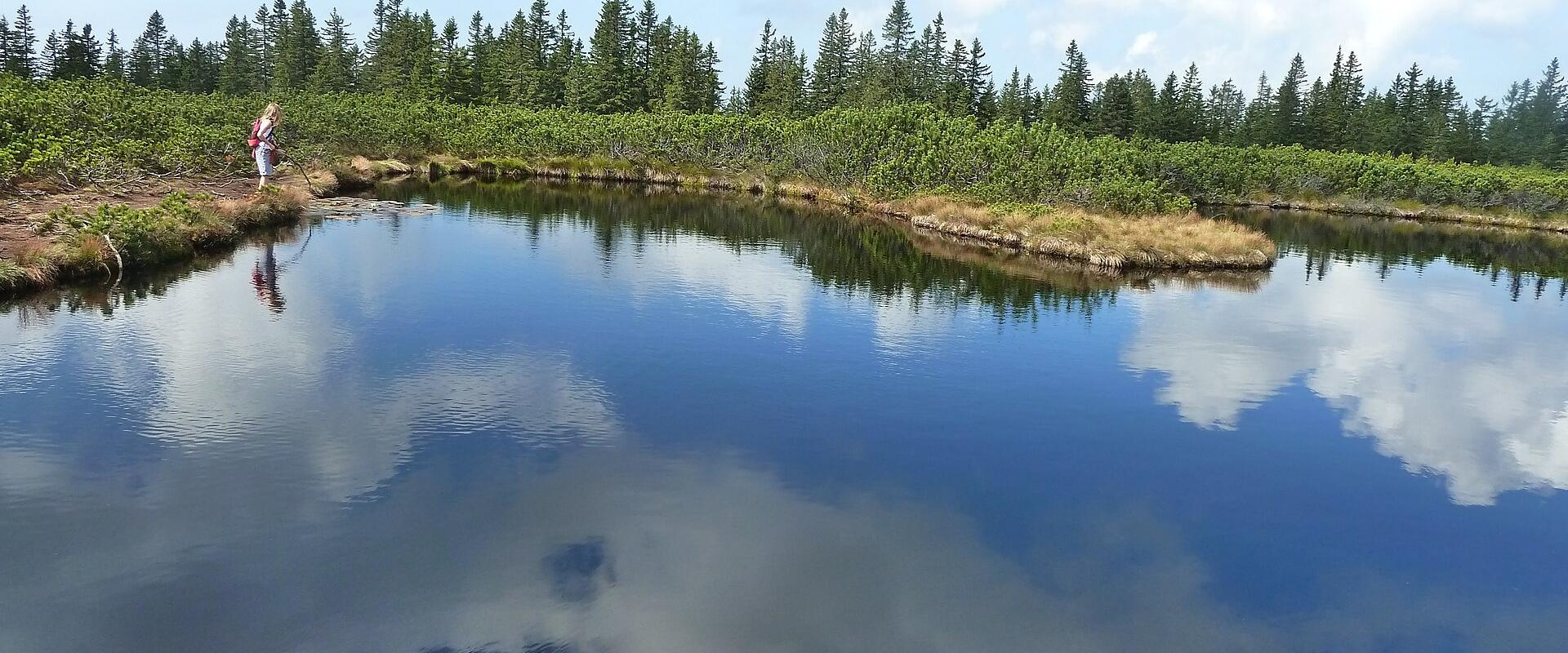
Lovrenška jezera (Lovrenc Lakes)
Europe's southernmost high-altitude peat bog
- Admission
- Free admission
- Hours
- Open during daylight.
- Where
- Lovrenc na Pohorju, Štajerska
- Directions
- Directions
The Lovrenc Lakes, in Slovene Lovrenška jezera, are a group of small pools on the high plateau of Pohorje, in the north-east of Slovenia, at an altitude of about 1,500 metres. They lie in a landscape of dwarf pine, spruce forest and open peat, near the village of Lovrenc na Pohorju, and they belong to a protected nature reserve that is one of the best-known wetlands in the country. The lakes are not lakes in the usual sense: they are dark pools in a peat bog, formed where rainwater collected in hollows on impermeable rock and over thousands of years the accumulation of plant remains built up thick layers of peat around them.
The bog is a living system. It is fed almost entirely by rain, so the water is poor in nutrients and acidic, and the plants that grow in it are those that can survive in such conditions. Mats of sphagnum moss, in shades of green, red and gold, form the base, and on them grow cotton grass, cranberry, bog rosemary and the carnivorous sundew, which traps small insects on its sticky leaves to supplement its diet. Mountain pines grow in dense stands on the drier hummocks, and their twisted shapes give the bog its characteristic outline. The peat itself is a record of past climates and vegetation, preserved in layers that scientists study. The open water is dark brown, stained by the peat, and reflects the sky and trees like a mirror on calm days.
Visitors can see the lakes by way of a wooden boardwalk and marked paths, which protect the fragile surface and make the walk easy underfoot. The routes through the forest are of different lengths, and a round trip from the villages in the valley can take several hours, while shorter walks start from the plateau of Rogla. Because the bog is cool and damp, with mist and drizzle common, waterproof clothing and sturdy shoes are advisable. The best times are late spring, when the cotton grass is in flower, and autumn, when the colours of the moss and the surrounding forest are at their richest. Visitors are asked to stay on the boardwalks, as stepping on the peat damages it, and to avoid picking plants or disturbing animals.
The reserve is free to enter and open all year, though snow covers it in winter and the paths may be hard to follow without skis or snowshoes. The lakes make a good goal for a day's walk from Rogla or from the Lovrenc side, and they fit into a wider exploration of Pohorje, with its forests, waterfalls, such as the Šumik, and the Žiče Charterhouse in the valley below.
Categories
More photos coming soon
Hours & Fees
- Open
- Open during daylight.
- Admission
- Free admission
Hours and prices change, especially out of season. Check with the venue before you go.
Nearby Attractions
Closest attractions by distance
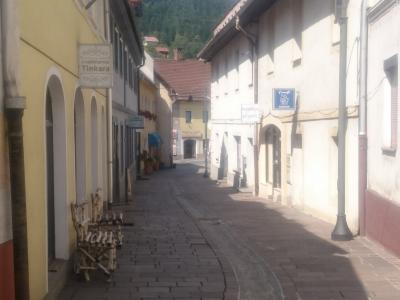
Jezerski Vrh Memorial to Fallen Mountaineers
Memorial honoring WWII partisan mountaineers
Activities & Adventure · History & Heritage
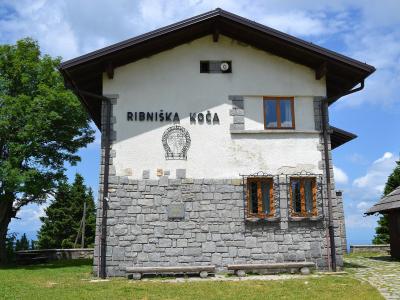
Ribniška Koča
Mountain cottage retreat in Pohorje with family rooms
Hiking Trails · Mountains
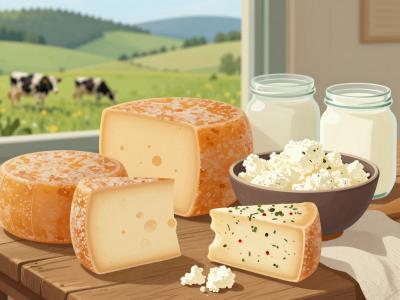
Cheesemaking Lamperček – Obrul
Award-winning hill farm crafting diverse cheeses and yogh...
Cultural Experiences · Food & Gastronomy
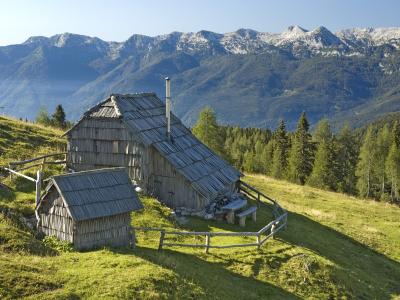
Extensive forests
Extensive forests with a 1000m treetop walkway
Hiking Trails · Mountains
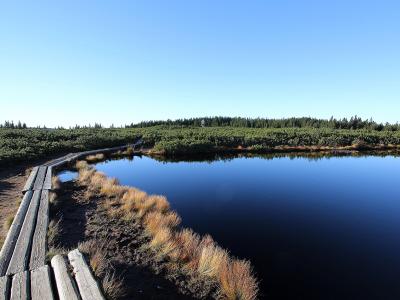
Lakes
Scenic lakes amid Pohorje Hills with treetop walk
Natural Wonders · Hiking Trails
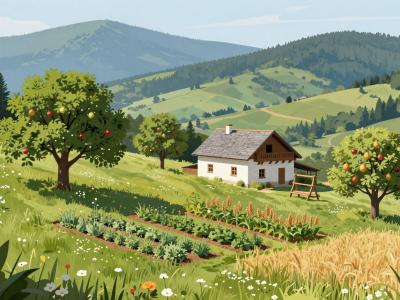
Meglič Organic Farm
Organic farm with heritage fruits and artisanal goods
Cultural Experiences · Food & Gastronomy
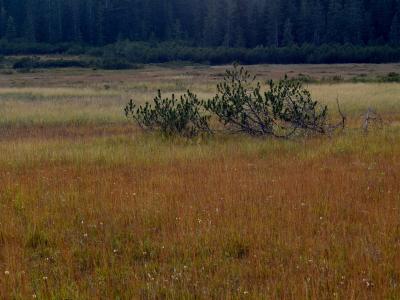
Peat bog
Ancient peat bog ecosystem at Rogla-Pohorje
Natural Wonders · Hiking Trails
Rogla Zoo
Mountain wildlife sanctuary in Rogla, Slovenia
Activities & Adventure · Natural Wonders
Questions people ask
Quick Facts
Best Time to Visit
May to September offers mild weather for hiking and outdoor activities; winter is ideal for skiing and snow sports in nearby resorts.
Book your stay