1-day itinerary
Best of Krašnji Vrh
One-day general exploration of Krašnji Vrh
- Length
- 1 day · 4 sights
- Pace
- Easy
- Estimated cost
- €25 per person
- Based in
- Krašnji Vrh
Day by day
-
Day 1: Exploring Krašnji Vrh: Karst Wonders and History
A focused day trip to Krašnji Vrh, exploring its unique karst landscape, natural climbing features, and historical architecture. This itinerary is designed for a relaxed pace, suitable for casual hikers and history enthusiasts.
-
09:00
Krašnji Vrh Cycling Route & Karst Landscape Walk
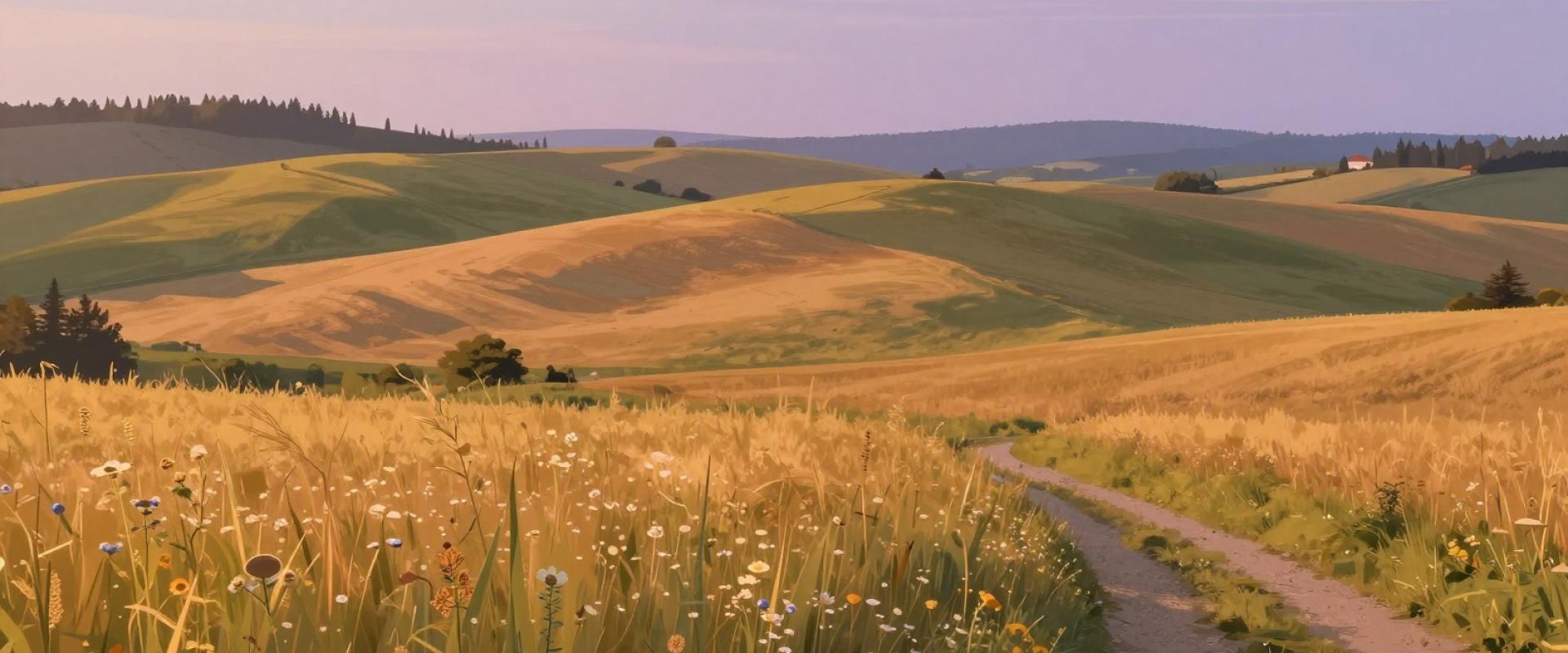
Begin the day by exploring the scenic trails of the Krašnji Vrh Cycling Route. While designed for cyclists, the path offers excellent walking opportunities through typical karst landscapes, providing a gentle introduction to the local geography and historic trails.
About 1.5 hours
-
10:30
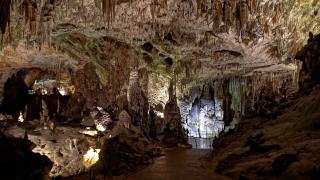
Visit the Pečenevka abyss, a deep karst sinkhole characteristic of the region. Observe the geological formations and the unique microclimate within the abyss. Note: Access may be restricted depending on weather and safety conditions; observe from designated viewpoints.
About 60 min
-
12:30
Lunch in Krašnji Vrh
Enjoy a traditional Slovenian lunch at a local farmhouse or small restaurant in the village. Look for seasonal dishes featuring local produce.
About 60 min
-
14:00
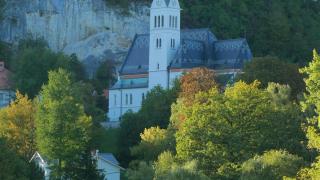
Explore the Holy Trinity Church, a 15th-century gem. Admire the interior frescoes, including the notable 'Dance of Death' mural, which offers a fascinating glimpse into medieval religious art and local history.
About 60 min
-
15:30
Natural Climbing Wall Observation
Visit the natural limestone climbing wall. Even if you are not a climber, this is a great spot to watch local climbers tackle the limestone routes. The rock face offers impressive views of the surrounding karst terrain. Safety gear and instruction are required for climbing; viewing is free.
About 1.5 hours
- Meals:
- Lunch at Local village restaurant or farmhouse; Snack at Village shop or cafe
- Where to stay:
- Krašnji Vrh is a small village. For overnight stays, consider nearby towns like Postojna or Pivka which offer more hotel and guesthouse options, or look for rural tourism accommodations (kmetija) in the immediate vicinity.
- Getting around:
- A car is highly recommended to reach Krašnji Vrh and move between the scattered attractions. Public transport is limited in this rural area.
-
09:00
Practical information
Questions people ask
Book your stay