- Where
- Škofja Loka, Gorenjska
- Directions
- Directions
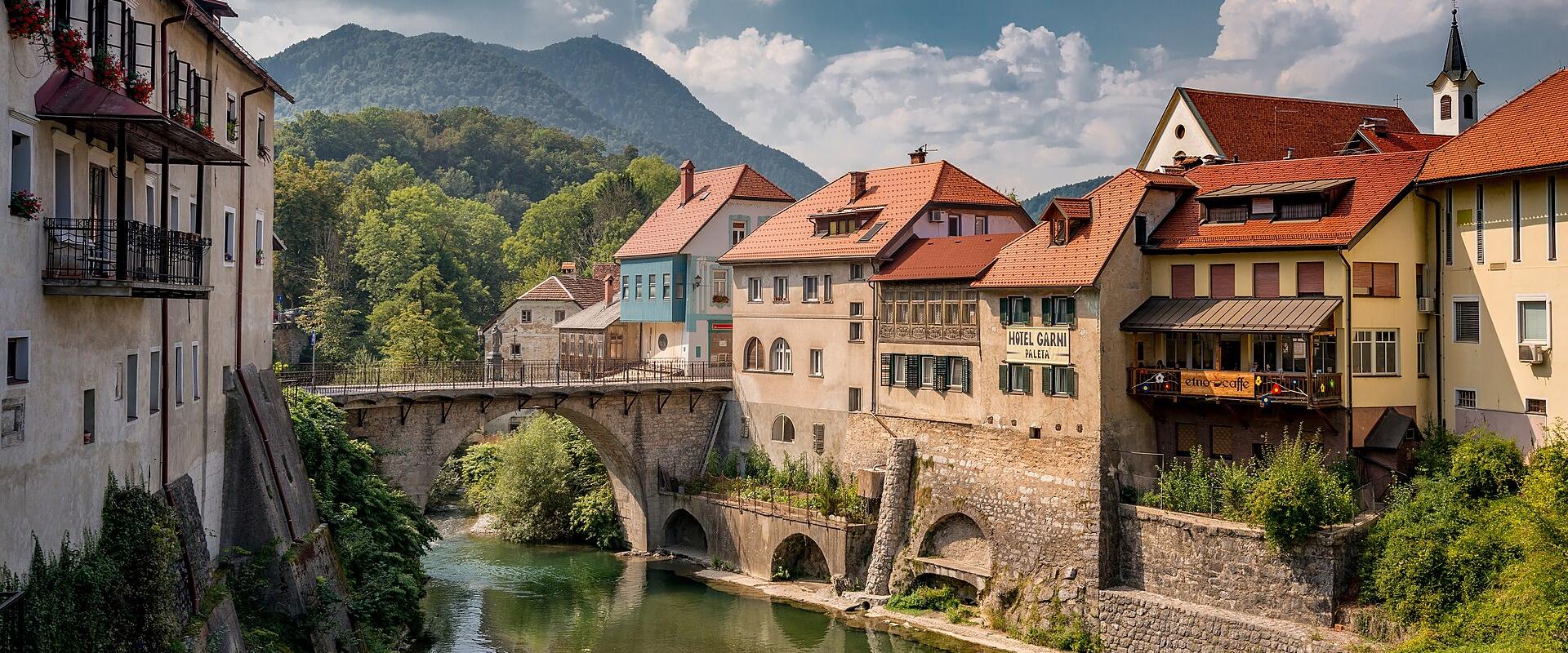
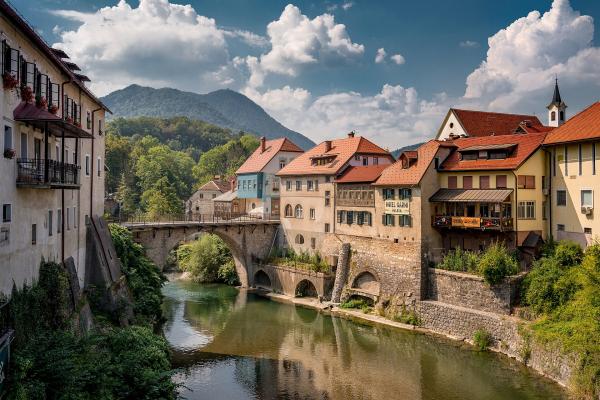
The Capuchin Bridge, known in Slovene as Kapucinski most and sometimes called the Stone Bridge, is the best known symbol of Škofja Loka and the town's oldest surviving monument of its kind. It crosses the Selška Sora River on the west side of the old town and has been in use since the Middle Ages, with the present stone structure dating from the fourteenth century. The bridge links the old town to the Capuchin monastery on the far bank, which is where the name comes from, and for centuries it was a main crossing for travellers heading into the Selca valley and the hills beyond.
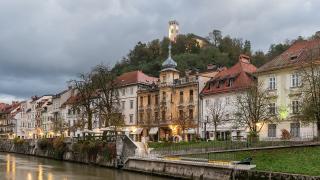
Its simple, rounded arches and plain parapet are typical of medieval stone bridge-building in the Alpine foothills. What lifts it above many similar bridges is the setting. From the bridge or from the banks you see the river running over a stony bed, the old houses climbing up the slope behind and Škofja Loka Castle on its hill above the roofs. The best views of the bridge itself come from the riverside paths and nearby footbridges, particularly in the morning light, and it is a popular spot for photographers, especially when the river is high after spring rain.
A statue of St. John of Nepomuk, the patron saint of bridges and those who cross water, stands on the bridge, and it carries the Škofja Loka coat of arms on its pedestal. The statue is part of a European tradition of placing a figure of the saint on river crossings, to protect travellers and to guard against floods, and it gives the crossing a small devotional character.
The Capuchin Bridge is also closely associated with the town's best-known cultural tradition. The Škofja Loka Passion Play, the oldest preserved Slovene dramatic text, was written in the early eighteenth century by a Capuchin friar of the monastery nearby, and it is staged as a procession through the old town streets on special occasions, with the bridge as one of its settings. Learning about it adds depth to a stroll across.
From the bridge it is only a short walk to the Upper Square, lined with colourful Gothic and Renaissance houses, including Homan House with its painted facade, and to the village of Puštal, where a former castle is a short stroll away. There is no admission fee, and the bridge can be crossed at any hour, which makes it an easy addition to any visit to the old town. Take your time to walk down to the riverbank for a look from below. The bridge belongs to Upper Carniola and to Škofja Loka’s identity, and it is one of Slovenia’s most charming medieval crossings.
Categories
More photos coming soon
Nearby Attractions
Other places to visit in Škofja Loka
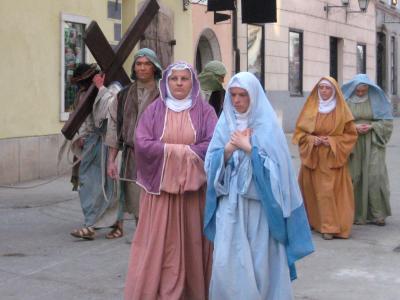
Škofja Loka Passion Play
Oldest Slovene passion play, UNESCO heritage
Festivals · Historic Towns
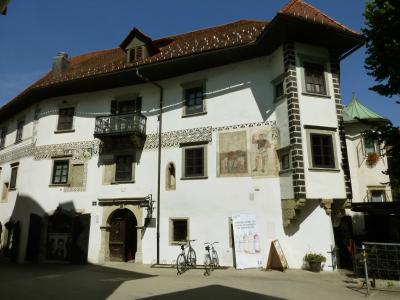
Homan House
Historic 16th-century mansion with frescoes
Historic Houses · Historic Towns
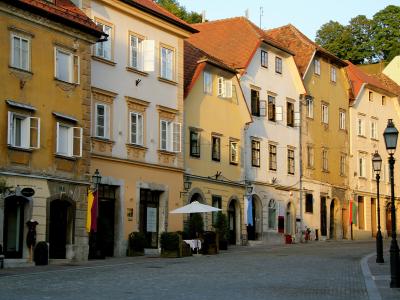
Upper Square
Medieval Upper Square at Škofja Loka’s historic center
Historic Districts · Historic Towns
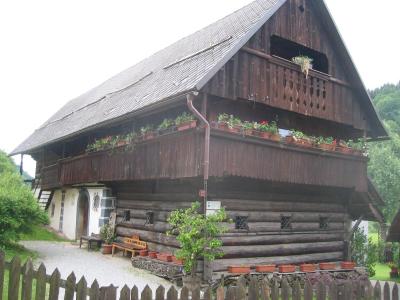
Puštal
Medieval village near Škofja Loka Castle
Hiking Trails · Historic Districts
Questions people ask
Quick Facts
Best Time to Visit
Mid-June to early September offers warm weather for festivals, hiking, and sightseeing; spring and autumn are mild and scenic, winter is magical and peaceful.
Book your stay