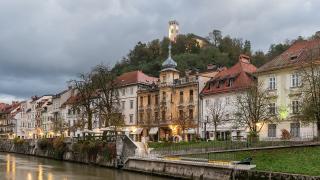
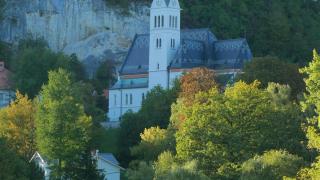
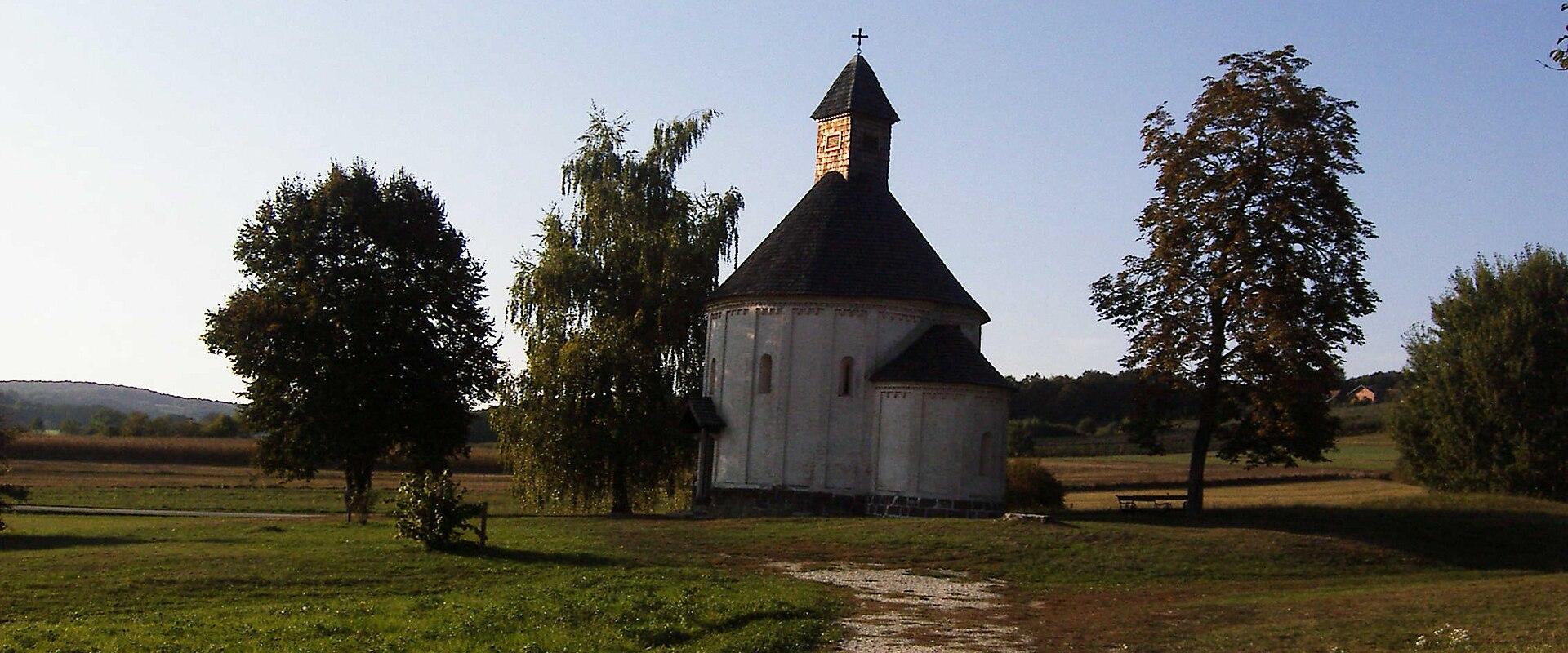
Selo lies in the middle of the Prekmurje region, a typical Slovenian village that shows the essence of rural life in the northeast of the country. It sits among gently rolling hills, fertile fields and meadows, in a landscape that is soothing and picturesque. Prekmurje has a distinct identity within Slovenia, shaped by centuries of Hungarian influence, its own dialect and a strong tradition of folk music, crafts and cooking. Selo reflects these qualities and gives visitors a warm and authentic experience.
The history of Selo goes back to the early Middle Ages, and the village was first mentioned in written records centuries ago. Its most important landmark is the Romanesque rotunda of St. Nicholas and the Virgin Mary, a small circular church from the thirteenth century, and a landmark of Slovenia’s medieval heritage. This architectural treasure is known for its well-preserved frescoes, which show biblical scenes and local saints in a vivid medieval style. The rotunda is considered one of the most important examples of Romanesque architecture in Slovenia, and it attracts visitors interested in history, art and spirituality. Guided tours are available and explain the church’s construction, symbolism and the wider history of Christianity in the region. Rotundas of this kind are rare in Slovenia, and the building’s small scale makes it easy to take in the details.
Beyond the rotunda, Selo offers a range of activities. The countryside is good for walking, cycling and birdwatching, with quiet lanes and paths through fields and forest. In spring and summer the meadows fill with wildflowers and butterflies, while autumn brings the golden colours of harvest and the scent of ripe fruit from local orchards. The village is also a gateway to the wider Prekmurje region, known for thermal spas, wine routes and specialities such as bograč (a hearty stew) and Prekmurska gibanica (layered pastry). Moravske Toplice and its large spa complex, and Murska Sobota with its castle and lake, are both close.
Cultural experiences in Selo follow the rhythms of rural life. Local festivals, church celebrations and seasonal fairs give chances to experience traditional music, dance and crafts. The hospitality of the villagers is a highlight, and many families welcome guests to taste homemade products or learn about local customs. Accommodation includes guesthouses and farm stays, where visitors can enjoy home-cooked meals and the unhurried pace of village life.
Getting to Selo is straightforward by car, with good road connections from Murska Sobota and other regional centres. Public transport is available but limited, so a car is recommended for those who want to explore the area in depth. The village is compact and easy to explore on foot or by bicycle, with plenty of places to stop and enjoy the quiet surroundings.
The surrounding fields are also a good place to see the agricultural patterns of the Pannonian plain, with maize, sunflowers and pumpkins, and in late summer the pumpkin harvest gives the villages a golden colour.
The best time to visit is late spring to early autumn, when the weather is warm and the countryside is at its most vibrant. May, June and September offer pleasant temperatures and fewer visitors, while summer brings local festivals and the full beauty of the landscape. Autumn is also rewarding, with harvest celebrations and colourful foliage. Whatever the season, Selo’s mix of historical heritage, rural charm and natural beauty makes for an enriching visit, and it works well as a quiet half-day stop between Murska Sobota and Lendava.
Best time to visit
May to September offers warm weather, blooming countryside, and local festivals, making it ideal for exploring Selo’s history and rural landscapes.
What to see in Selo
Our picks first.
Selo by interest
The same sights, grouped by what you came for.
Did you know?
Checked facts about Selo, each with its source.
-
History
Selo is now part of Ljubljana's capital
Selo is a formerly independent settlement located in the east-central part of Ljubljana, the capital of Slovenia. It is currently part of the City Municipality of Ljubljana.
Source: en.wikipedia.org
Planning a visit to Selo
Itineraries that include Selo
Good to know
- Currency
- EUR
- Language
- Slovene

Questions people ask
More places in Prekmurje
Prekmurje
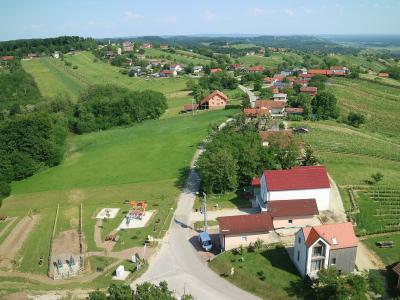
Prekmurje
Rolling plains, thermal spas, and unique regional culture
Prekmurje
Lendava
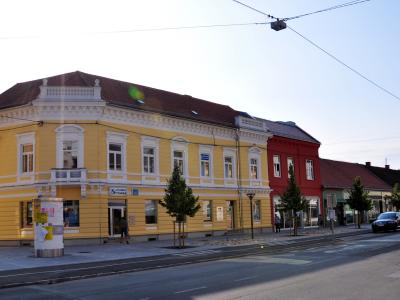
Multicultural town with Vinarium Tower and castle museum
Prekmurje
Murska Sobota
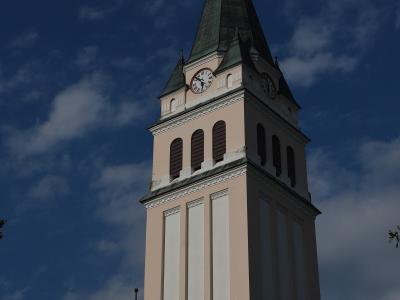
Regional hub with castle, lakeside park, and museums
Prekmurje
Moravske Toplice
Thermal spa town with wellness resorts and golf courses