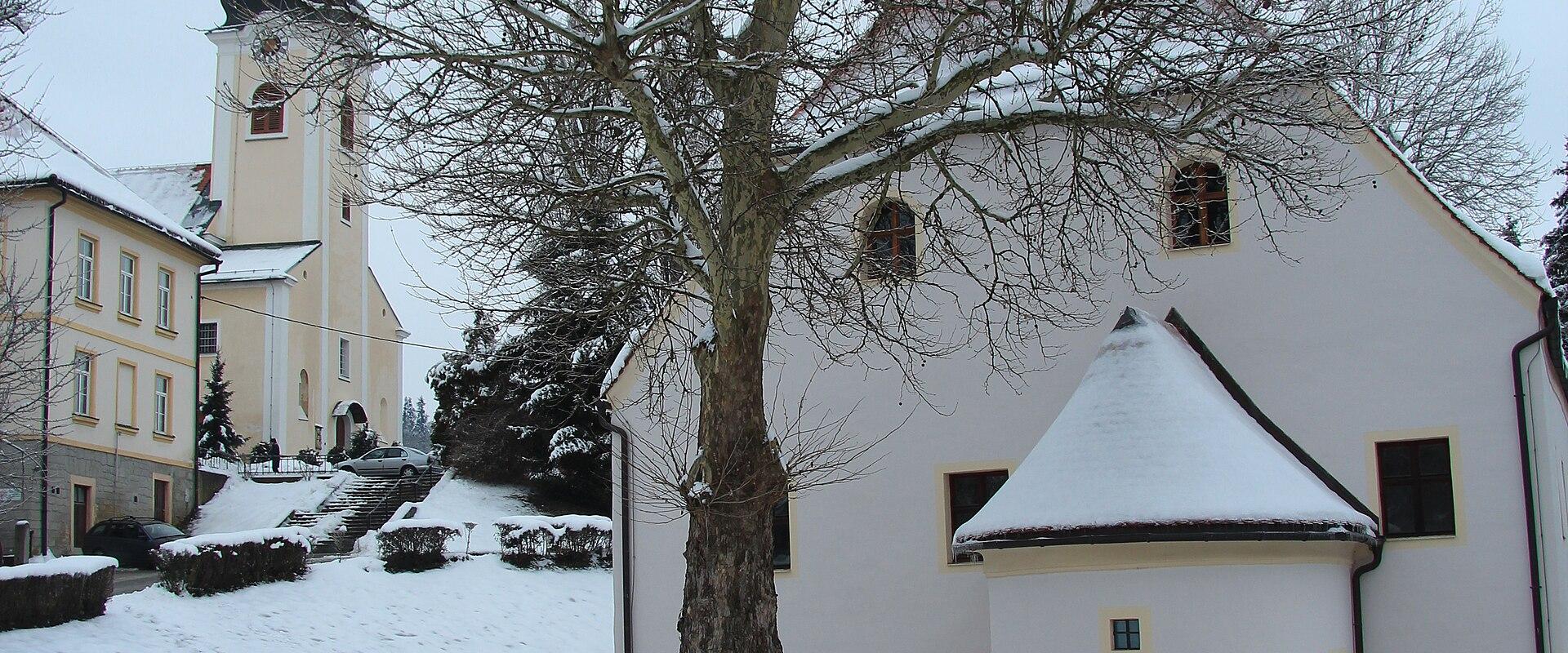
Gornja Radgona
Border town on the Mura known for sparkling wine and a castle in the hills
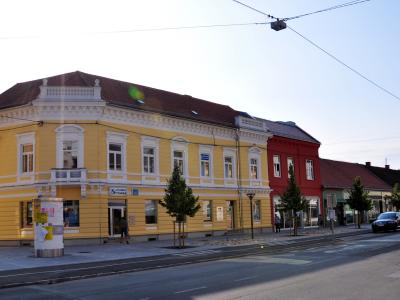
Gornja Radgona stretches along the Mura where the river leaves the hills of Slovenske gorice and enters the wide plain that continues toward Prekmurje. Its position at a crossing point has shaped its life: the settlement on both banks was a single town in the region of Styria. After the First World War, in 1919, the new border followed the river. The Slovenian part took the name Gornja Radgona, meaning Upper Radgona, and the Austrian side became Bad Radkersburg. The town centre keeps the shape of a small market town, with a main square, a parish church and a handful of historic houses.
The border is now open, and the bridge across the Mura is used daily by walkers, cyclists and cars. Crossing to Bad Radkersburg takes only a few minutes and gives access to an Austrian town with a well-preserved historic core and a spa, whose thermal water comes from a hot spring of about 80 degrees. Many visitors to Gornja Radgona combine the two towns in a single day, and the Mura cycle route passes through both. The river itself is wide, green and lined with riverside forest, giving easy cycling on flat tracks with few steep sections.
Wine is the second major theme. The hills west and south of town, known as Radgonske gorice, are covered with vineyards, small cellars and farm inns. This area has a long tradition of white wine, and Gornja Radgona has become known above all for sparkling wine. A winery in the town has produced it since the nineteenth century, using the traditional method with secondary fermentation in the bottle, and its cellars offer tastings and tours when booked. Wine roads lead through the villages, with signs pointing to small producers who sell directly. Local dishes include pumpkin seed oil, which is typical for the Mura region, as well as roast meats, dumplings and cakes from the Styrian and Prekmurje traditions.
In August the town hosts an international agricultural and food fair, a large event which draws exhibitors and visitors from Slovenia and neighbouring countries. If you plan to stay overnight at that time, book early, since rooms across the area fill quickly.
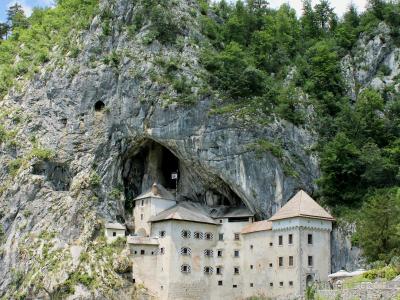
Negova Castle is the most interesting historic site in the immediate area. It stands in the hills west of Gornja Radgona, next to the village of Negova, and is reached by a short drive on local roads or by bicycle through the vineyards. The original castle was built in 1425, and in the sixteenth and early seventeenth centuries it was extended into a larger complex of buildings, which shows on the exterior. The castle is surrounded by greenery and the site is known for its peaceful setting. Access to the interior has varied over the years, so check opening arrangements with the tourist office before travelling. Even from the outside the layout and the setting among the hills make the trip worthwhile.
Another reason to visit is the landscape. The plain of the Mura is flat and open, with fields of maize and pumpkins, and the hills show a patchwork of vineyards and woods. Birdwatchers will find herons and other waterbirds along the river. Walking and cycling are both easy, and in autumn the vineyards turn yellow and red. Thermal spas in the area, including the one at Radenci, are only a short drive away, which makes the region popular with people who like to mix gentle exercise with relaxation.
The best period for a visit is from May to September, when the weather is warm and the riverside paths are dry. Late August brings the fair and the grape harvest begins in September. Winters can be foggy and cold, but the thermal baths are open throughout the year.
Getting there is simple by road, as the town lies on the road toward Radenci and Murska Sobota, and it is right beside the Austrian border crossing at Bad Radkersburg. Buses connect it with the neighbouring towns. Maribor lies roughly fifty kilometres to the west, and Graz is about an hour away by road. A stay of one or two nights is enough to see the town, taste the wines, visit the castle and cross the border for a swim in the Austrian spa.
Best time to visit
May to September for the river and vineyards; late August for the agricultural fair.
What to see in Gornja Radgona
Our picks first.
Gornja Radgona by interest
The same sights, grouped by what you came for.
Planning a visit to Gornja Radgona
Good to know
- Currency
- EUR
- Language
- Slovene

Questions people ask
More places in Prekmurje
Prekmurje
Prekmurje
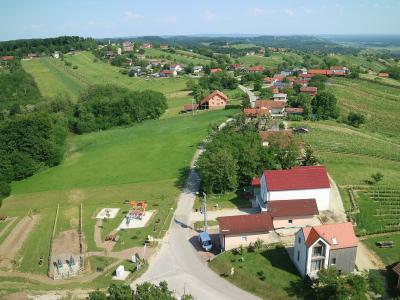
Rolling plains, thermal spas, and unique regional culture
Prekmurje
Lendava
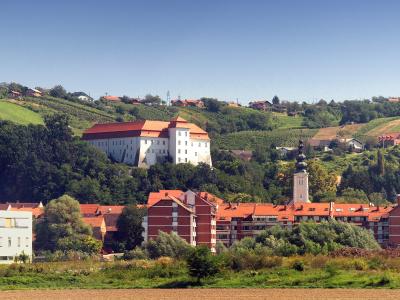
Multicultural town with Vinarium Tower and castle museum
Prekmurje
Murska Sobota
Regional hub with castle, lakeside park, and museums
Prekmurje
Moravske Toplice
Thermal spa town with wellness resorts and golf courses