The Green Thread Woven Through Alpine Valleys
In 2016, Slovenia made history by becoming the world’s first certified Green Country. This wasn’t just a publicity stunt; it was a rigorous validation of a national philosophy that views environmental stewardship not as a constraint, but as the foundation of prosperity. This identity is operationalized through the Green Scheme of Slovenian Tourism, a robust certification framework that allows travelers to instantly identify businesses meeting high sustainability standards.
For families, this system removes the guesswork from ethical travel. The recognizable green leaf logo is more than a sticker; it is a promise. It signals that an establishment actively manages waste, conserves energy, and respects local ecosystems. When you see this mark, you are engaging with providers who understand that ecological awareness is a tangible benefit for the guest experience.
The scale of this commitment is impressive. Slovenia is the third-most-forested nation in the EU, with lush woodlands covering nearly 60% of the country. The Green Scheme ensures that your exploration of these forests supports local well-being rather than depleting it. Data suggests that certified accommodations often see a 5% increase in income and a 15% boost in customer satisfaction, proving that ethical practices drive economic viability. By choosing certified providers, you support a model where nature and economy thrive together, ensuring that Alpine valleys remain vibrant for future generations.
Trails That Whisper: Hiking with Respect in Triglav
Sustainability in Slovenia is not abstract; it is physical. Nowhere is this more evident than in Triglav National Park, where the rugged terrain demands a conscious presence. The alpine ecosystem is fragile, particularly the thin soil that hosts rare flora like the edelweiss. A single step off the marked path can cause irreversible erosion and destroy years of growth. Sticking to designated trails is a small discipline that yields profound results for the landscape’s health.
Waste management in these pristine wilderness areas is non-negotiable. In the alpine climate, even a biodegradable item like an apple core can take months to decompose, attracting wildlife and disrupting natural habitats. Carrying out everything you bring in—including fruit peels and napkins—is essential to preserving the integrity of the emerald rivers and valleys. This simple act of respect maintains the silence and solitude that define the region.
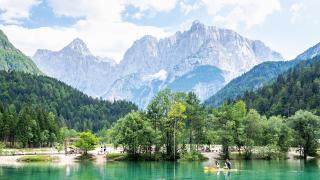
Slow travel here invites a deeper connection with the surroundings. Instead of rushing to summit for the sake of the view, pause to observe the interplay of light on the Julian Alps. This mindful pace allows you to witness wildlife without disturbance and enjoy the quiet without intruding on other hikers. It transforms a hike from a physical challenge into a reflective experience. By embracing these practices, you help maintain Slovenia’s status as a Green Country, balancing the needs of residents with the desires of visitors.
Slovenia’s compact geography turns zero-emission travel from a logistical challenge into a seamless adventure. The national rail network connects major hubs with reliable efficiency, while an extensive bus system snakes into remote valleys where paved roads end. Combining these modes creates a fluid itinerary, eliminating the stress of navigating unfamiliar highways or hunting for parking in crowded medieval towns.
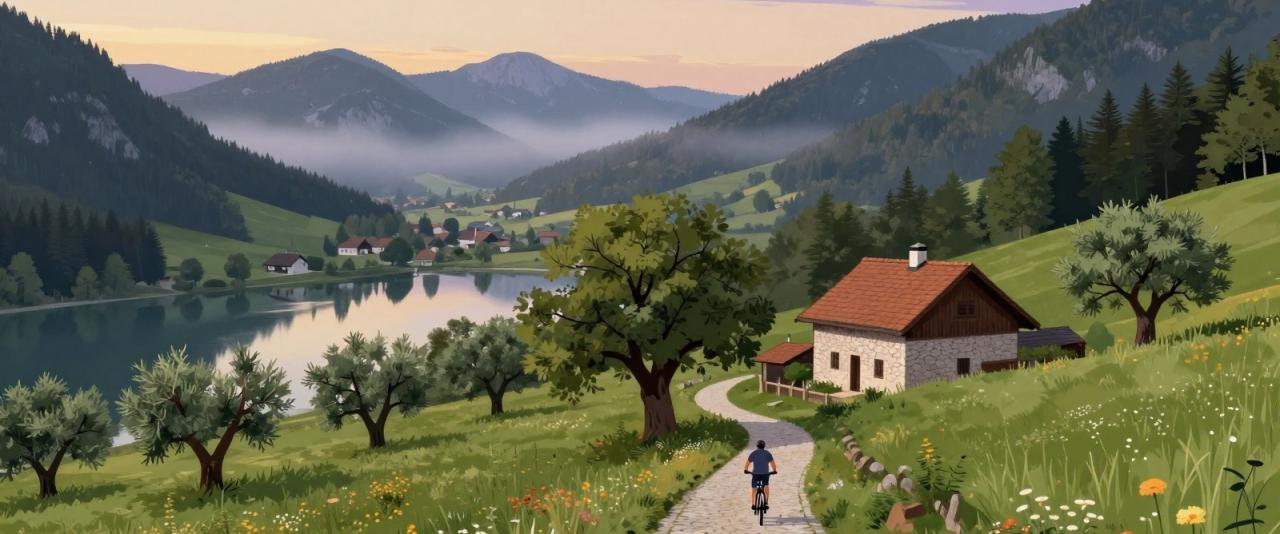
Consider leaving your car in Ljubljana and renting a bicycle instead. This simple swap slashes your carbon footprint while offering the freedom to wander. You might pedal along the Maribor greenways, stopping whenever an interesting trail catches your eye. Unlike rigid tour schedules, this approach lets you set your own rhythm. For hilly terrain, renting an e-bike makes steep climbs manageable for all fitness levels, ensuring that everyone in the family can enjoy the ride without exhaustion.
Public transport here is clean, punctual, and remarkably affordable. A daily pass costs just six euros, granting unlimited access to buses and trains. Children often delight in the shifting landscapes visible from train windows, turning transit into part of the adventure. The Slovenia Green initiative actively supports these choices; many local accommodations provide secure bike storage and basic repair kits. With dedicated cycling lanes in most cities and a national push toward carbon neutrality by 2050, your travel decisions directly support a cleaner, quieter country.
Souvenirs with Soul: Supporting Local Artisans
True sustainability extends beyond how you travel to what you bring home. In Slovenia, the most meaningful souvenirs are those created by local artisans who keep traditional crafts alive. You can find exceptional handmade goods at weekly markets in Ljubljana or Prevalje, where makers sell pottery, linen, and wool. Purchasing these items ensures your spending stays within the community, directly supporting the local economy and the Green Scheme of Slovenian Tourism.
Look for the Slovenia Green label on products to verify their sustainable origins. Avoid mass-produced trinkets found in tourist traps. Instead, seek out workshops where you can watch craftspeople create items like hand-carved wooden toys or intricate lace. These purchases offer a deeper understanding of Slovenian identity and history. Your choice to buy locally helps maintain the country’s status as the world’s first Green Country, proving that economic activity and cultural preservation can coexist.
This approach transforms shopping from a transaction into a connection. When you hold a piece of Slovenian craftsmanship, you hold a story of local tradition and environmental care. It is a simple act with a profound impact, preserving Slovenia’s pristine wilderness and cultural heritage. By choosing items with soul, you ensure that the beauty of Slovenia remains vibrant, not just for its residents, but for every visitor who leaves with a piece of its heart.